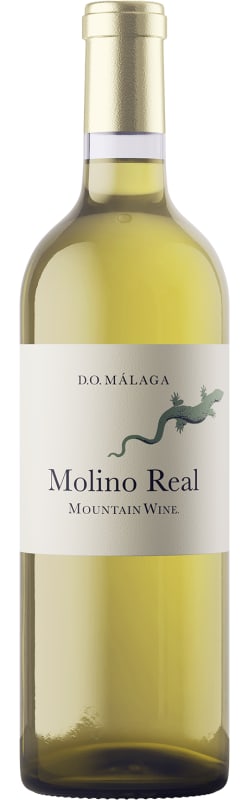


Winemaker Notes
This treasure resembles liquid gold in the glass. Almonds, marmalade, and matcha green tea notes come together with a surprising balance of honeyed fruits, balanced acidity, and a fresh finish.
Professional Ratings
-
Robert Parker's Wine Advocate
I still have to visit the vineyards where they produced the 2015 Molino Real, the stunning sweet Moscatel from Málaga. The grapes are sourced from up to nine hectares of vines on slate slopes at elevations that range between 350 and 1,000 meters. The grapes are sun dried to further concentrate the juice and then pressed with oil presses separated by esparto grass mats, like it was done in the past. They tell me they need 2.5 kilos of grapes to obtain one liter of juice. Fermentation is long and happens in 225-liter oak barrels, where the wine matures at low temperature for 20 months. This feels sooooo young and tender, undeveloped and reticent compared with the 2013 and 2014 I tasted next to it. These wines need at least five years to start showing their true colors. It's faintly minty, not really grapey, but balsamic, with faint notes of bitter orange marmalade. The one thing I also like is that this wine is never overwhelmingly sweet and feels fresher. It's hard to guess what's going to happen with this wine in a few years, but I think it will evolve beautifully.


White grapes are used in two famous types of Spanish wine, Sherry and Cava, but we will limit this discussion to still whites. Let’s begin with perhaps the best known and most highly regarded internationally, Albariño . Produced in the region of Rías Baixas, just above Portugal in northwestern Spain, Albariño typically sees no or little oak and is medium to medium-plus in body. Aroma and flavor notes often include citrus and peach, often with subtle floral notes and a suggestion of sea spray, giving the wine a zesty feel. Often bottled as a single varietal, Albariño is sometimes blended with other indigenous grapes like Loureira and Treixadura. Try one of these Spanish whites from Forjas del Salnes.
Let’s look at a few other Spanish white wines. Godello also hails from northwestern Spain and presents a profile of grapefruit, minerality and a slight smoky quality. Enjoy a bottle from Bodegas Avancia. The region of Rueda, northwest of Madrid, is home to Verdejo , which makes refreshing, un-oaked white wines whose herbal vibrancy recalls Sauvignon Blanc . Protos makes a tasty version. Up north in the Basque region, we find the wine called Txakoli (sometimes called Txakolina). Pronounced “sha-ko-LEE,” it’s made from a local grape called Hondurrabi Zuri and is light, fresh, citrusy, dry … and with razor sharp acidity that makes it a fantastic partner with local seafood and tapas. Ameztoi Gertariako is a good Spanish white wine producer to check out.
The Penedѐs region, best known for the oceans of delicious Cava it sends to the world, also produces still Spanish whites, sometimes from international varieties like Chardonnay , and often from the same grapes used for Cava. These include Parellada, Xarel-lo and Macabeo. Avaline produces a fine example of Penedes white. Finally, we visit the Rioja region. While it is historically and internationally famous for its reds, Rioja also produces fine Spanish white wines. These are usually based on Viura (the local name for Macabeo) and make good everyday sippers, although some aged versions can be stunningly complex. A good place to start is the white Rioja from Bodegas Muga.
As you can see, Spanish white wines offer a vast opportunity for exploration!