


Winemaker Notes
Estate Cuvée is L’Aventure’s flagship wine and the cherry picking of their top estate fruit. It is the whole reason why Stephan Asseo left Bordeaux... to make a “crazy”, high-end Paso blend. Depth, balance, texture, complexity, finish, everything is there. It is a beautiful representation of their terroir. The 2021 vintage is comprised of 45% Syrah, 40% Cabernet Sauvignon, and 15% Petit Verdot. It has been aged for 15 months in 81% New French Oak, 19% 1-Year Old French Oak with malolactic fermentation in barrel.
Blend: 45% Syrah, 40% Cabernet Sauvignon, 15% Petit Verdot
Professional Ratings
-
Robert Parker's Wine Advocate
A blend of 45% Syrah, 40% Cabernet Sauvignon and 15% Petit Verdot, the 2020 Estate Cuvée is another outstanding wine from L'Aventure in the challenging 2020 vintage, offering singular concentration and elegance. Deep ruby-purple, it has a pure core of cassis and slowly unfolding accents of licorice, cured meats, tobacco leaves, cedar and truffle. Full-bodied, juicy and alluring, it floods the mouth with layers of blue fruit, floral perfume and spice. It is supported by powdery tannins and boasts a tremendously long, detailed finish.
-
Vinous
A beguiling blend of dusty violets, crushed stone, musky black currants and grilled herbs makes the 2020 Estate Cuvée impossible to ignore. Racy yet supple, this soothes with its ripe red and black fruits while also exciting the palate through a core of zesty acidity. A staining of minerality lingers as the 2020 finishes with epic length and potency. Grippy tannins tug at the perimeters of the palate, leaving nuances of black licorice and clove to resonate. This radiant beauty has a very bright future.
-
Jeb Dunnuck
The 2020 Estate Cuvee is the flagship and checks in as 45% Syrah, 40% Cabernet Sauvignon, and 15% Petit Verdot. It has a big, black-fruited bouquet with lots of graphite, smoky oak, chocolate, and chalky minerality. This carries to a full-bodied wine revealing the more savory tannins of the vintage, plenty of mid-palate flesh, sweet tannins, and a great finish. It picks up a beautiful sense of salinity with time in the glass and is unquestionably one of the top wines in this vintage.
Rating: 96+ -
James Suckling
Really impressive depth here. Violets, blueberries, blackberries, graphite, ink and chalk to the nose. Rich, voluptuous and flavorful with firm, but silky tannins. Concentrated, restrainedly plush and muscular with a lingering finish that goes on and on.
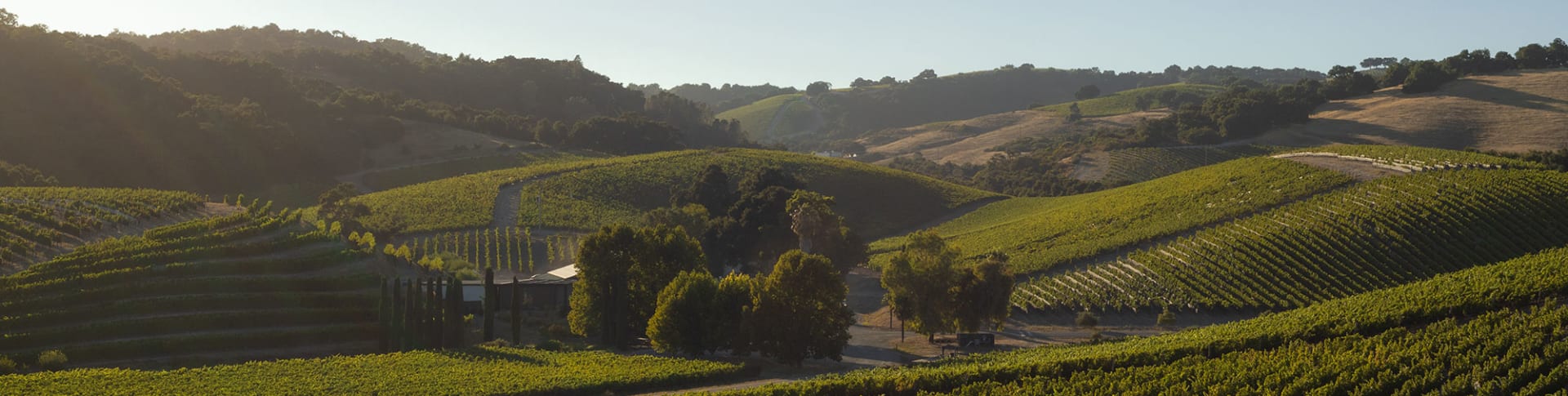



L'Aventure was founded in 1998 by a French winemaker, Stephan Asseo. After Stephan graduated enology school in Burgundy, the Asseo family bought their first estate, Domaine de Courteillac, in the Bordeaux area in 1982. Later, the family purchased additional properties: Chateau Robin and Chateau Fleur-Cardinale in Saint-Emilion. Stephan raised these properties to a level of great quality, while managing some other well-established domaines such as Chateau Guillot-Clauzel in Pomerol and Chateau Corbin in St Emilion.
Stephan saw in the New World a unique opportunity to expand his experience, while gaining more freedom in viticulture and vinification. He began by looking all over California for land, including Napa/Sonoma and Santa Barbara counties, but it was the terroir and climate of Paso Robles that impressed him the most.
L'Aventure is located on the west side of Paso Robles in the Willow Creek District. The 127-acre property with 57 acres planted, is comprised of multiple hills of various elevation and complex soils. Because of its proximity to the ocean, the vineyard has clear warm days and drastic cool nighttime temperatures which increases the time of the grape’s maturation cycle providing fruit that creates a more complex and balanced wine. Stephan’s choice of this lean terroir provides him with the fruit necessary to create wine with a good balance between alcohol and acidity. The resulting wines are full and rich yet well balanced and elegant.

With hundreds of red grape varieties to choose from, winemakers have the freedom to create a virtually endless assortment of blended red wines. In many European regions, strict laws are in place determining the set of varieties that may be used, but in the New World, experimentation is permitted and encouraged resulting in a wide variety of red wine styles. Blending can be utilized to enhance balance or create complexity, lending different layers of flavors and aromas. For example, a red wine blend variety that creates a fruity and full-bodied wine would do well combined with one that is naturally high in acidity and tannins. Sometimes small amounts of a particular variety are added to boost color or aromatics. Blending can take place before or after fermentation, with the latter, more popular option giving more control to the winemaker over the final qualities of the wine.
How to Serve Red Wine
A common piece of advice is to serve red wine at “room temperature,” but this suggestion is imprecise. After all, room temperature in January is likely to be quite different than in August, even considering the possible effect of central heating and air conditioning systems. The proper temperature to aim for is 55° F to 60° F for lighter-bodied reds and 60° F to 65° F for fuller-bodied wines.
How Long Does Red Wine Last?
Once opened and re-corked, a bottle stored in a cool, dark environment (like your fridge) will stay fresh and nicely drinkable for a day or two. There are products available that can extend that period by a couple of days. As for unopened bottles, optimal storage means keeping them on their sides in a moderately humid environment at about 57° F. Red wines stored in this manner will stay good – and possibly improve – for anywhere from one year to multiple decades. Assessing how long to hold on to a bottle is a complicated science. If you are planning long-term storage of your reds, seek the advice of a wine professional.
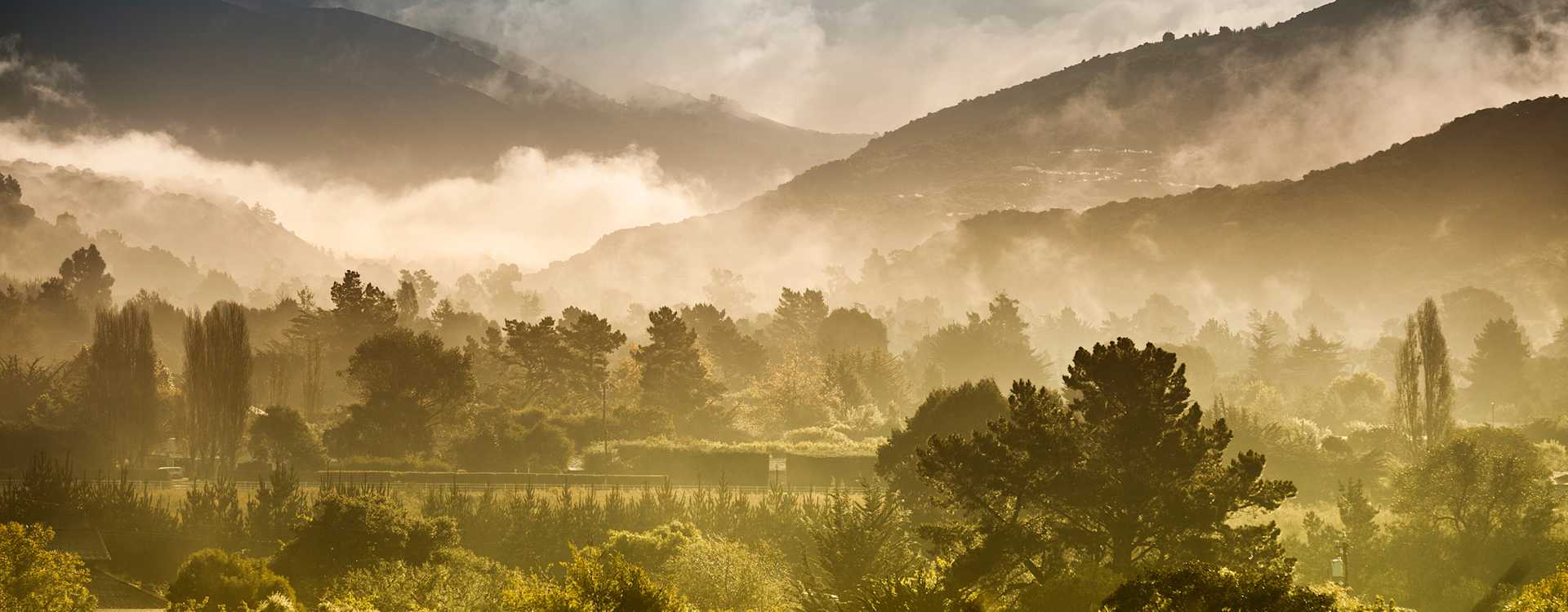
Growing on high elevation bedrock slopes, the vineyards of Paso Robles Willow Creek AVA sit at between 960 and 1,900 feet in elevation.