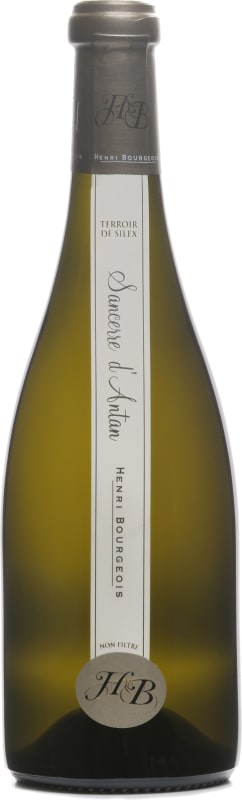


Winemaker Notes
This wine is full of aromas such as lime, verbena but also delicate mineral nuances (flint). In mouth, fresh touch of grapefruits, almonds, hawthorn and light touch of coconuts. Its minerality gives it a great length. Concentrated, full and fine, equally excellent when young or up to 6 - 8 years ageing.
Sancerre “D’Antan” is an excellent companion to fish, shellfish and white meat. Grilled lobster, turbot in a meat sauce and spit-roasted sweetbreads with a truffle sauce: a few delicacies matching perfectly this fine wine. Or tempt your guests with a vacherin cheese from Mont d'Or with dried pears!
Professional Ratings
-
Wine Enthusiast
Old vines on flint soil have yielded this particularly concentrated, complex wine. The acidity and texture contrast with green-fruit and gooseberry flavors, suggesting the wine will age well. There is great depth to this wine that will be at its best from 2022.
-
Robert Parker's Wine Advocate
From Saint-Satur's silex soils, Bourgeois's 2017 Sancerre d'Antan opens with a deep, subtle and nuanced yet intense and aromatic bouquet of flowers, herbs, ripe fruits and characteristic flint stone notes. Full-bodied, intense and highly refined on the palate, with ripe and beautifully bitter citrus fruit aromas, this is a full-bodied, dense, fine and complex Sancerre with a sustainable finish. The 2017 drinks perfect today but will hold its class for serval years. Tasted in February 2021.
-
Wine Spectator
A broader style, yet the acidity ripples through, giving it a laser-like focus for a brief moment, before exuding notes of lemon curd, nectarine, gooseberry and honeysuckle. It glides beautifully in perfect harmony, with a bright future ahead. Drink now through 2027.
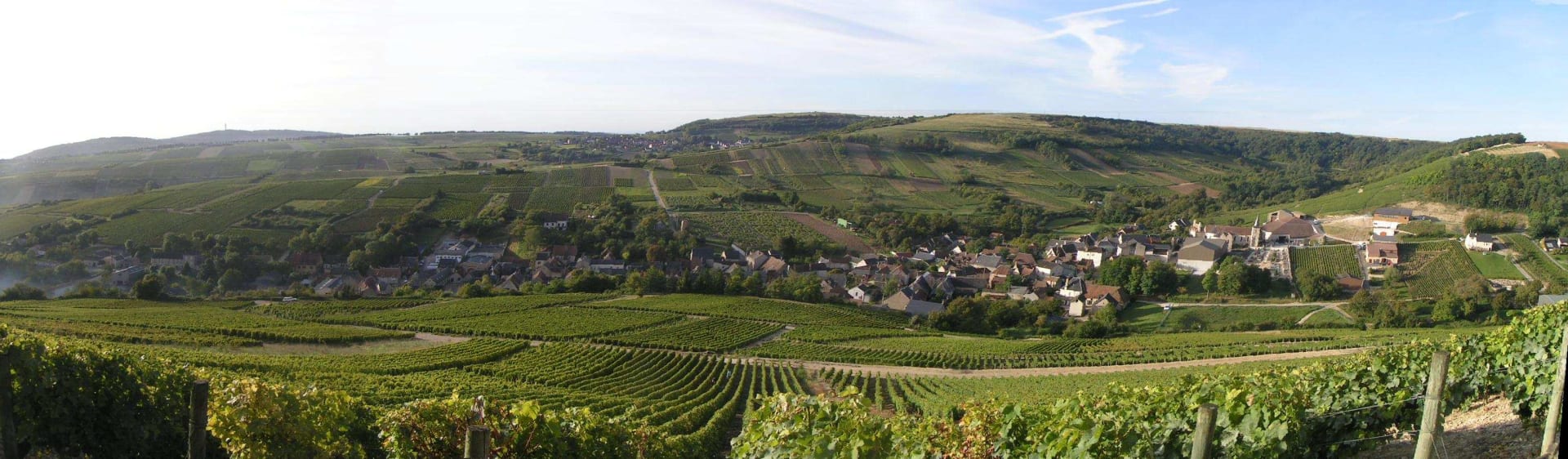


The Famille Bourgeois has been in love with Pinot Noir and Sauvignon Blanc for 11th generation. The domain covers 72 hectares on the best Terroir of Sancerre and Pouilly-Fumé appellations. Brought to fruition by Henri Bourgeois over 50 years ago, the vineyards lie on some of the most rugged hillside terrains, offering the best exposures in the Loire Valley. From cultivating two hectares on the slopes of Chavignol, Henri took the audacious step in the 1950s of developing his vineyards in an as yet unknown area. His sons, Jean-Marie and Rémi, joined him in the 1960s and continued the adventure. They discovered new terroirs, bought land, developed partnerships with other Sancerre families, and turned themselves into the #1 ambassador of Sancerre in France, then abroad.
Today, Arnaud, Lionel, and Jean-Christophe Bourgeois are just as much the heirs of those men as the initiators of the future of the vines and wines of the house. Though the family is forever striving to perfect their craft, they remain committed to Henri’s original viticultural vision of showcasing the purity of the Sauvignon Blanc and Pinot Noir grapes and the unique Terroirs of Sancerre.
Famille Bourgeois has received numerous accolades over the years from press and public alike for all of their wines, ranging from their delightfully fresh & food-friendly "baby Sancerre" Petit Bourgeois wines to their age-worthy, terroir-driven Sancerre & Pouilly-Fumé cuvées.

Capable of a vast array of styles, Sauvignon Blanc is a crisp, refreshing variety that equally reflects both terroir and varietal character. Though it can vary depending on where it is grown, a couple of commonalities always exist—namely, zesty acidity and intense aromatics. This variety is of French provenance. Somm Secret—Along with Cabernet Franc, Sauvignon Blanc is a proud parent of Cabernet Sauvignon. That green bell pepper aroma that all three varieties share is no coincidence—it comes from a high concentration of pyrazines (herbaceous aromatic compounds) inherent to each member of the family.

Marked by its charming hilltop village in the easternmost territory of the Loire, Sancerre is famous for its racy, vivacious, citrus-dominant Sauvignon blanc. Its enormous popularity in 1970s French bistros led to its success as the go-to restaurant white around the globe in the 1980s.
While the region claims a continental climate, noted for short, hot summers and long, cold winters, variations in topography—rolling hills and steep slopes from about 600 to 1,300 feet in elevation—with great soil variations, contribute the variations in character in Sancerre Sauvignon blancs.
In the western part of the appellation, clay and limestone soils with Kimmeridgean marne, especially in Chavignol, produce powerful wines. Moving closer to the actual town of Sancerre, soils are gravel and limestone, producing especially delicate wines. Flint (silex) soils close to the village produce particularly perfumed and age-worthy wines.
About ten percent of the wines claiming the Sancerre appellation name are fresh and light red wines made from Pinot noir and to a lesser extent, rosés. While not typically exported in large amounts, they are well-made and attract a loyal French following.