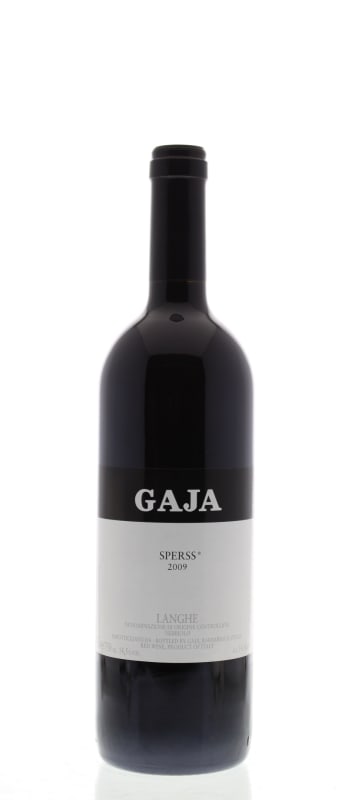


Winemaker Notes
Professional Ratings
-
Robert Parker's Wine Advocate
The 2009 Sperss sees fruit sourced from Serralunga d’Alba and those telltale signs of the territory are definitely on full display. The power, added structure and thicker density of the wine speak to this corner of the Barolo denomination. Bold cherry and spice are rounded off by leather, tobacco and a touch of toasted Alba hazelnut. The finish is soft and caressing even at this young stage, yet the wine still needs more time to evolve.
-
Wine Spectator
This rich, velvety red boasts complex black cherry, plum and spice aromas and flavors. The tannins are dense and ripe, adding refinement and lift on the lingering, minerally aftertaste. This tightly wound version needs some time to unwind.
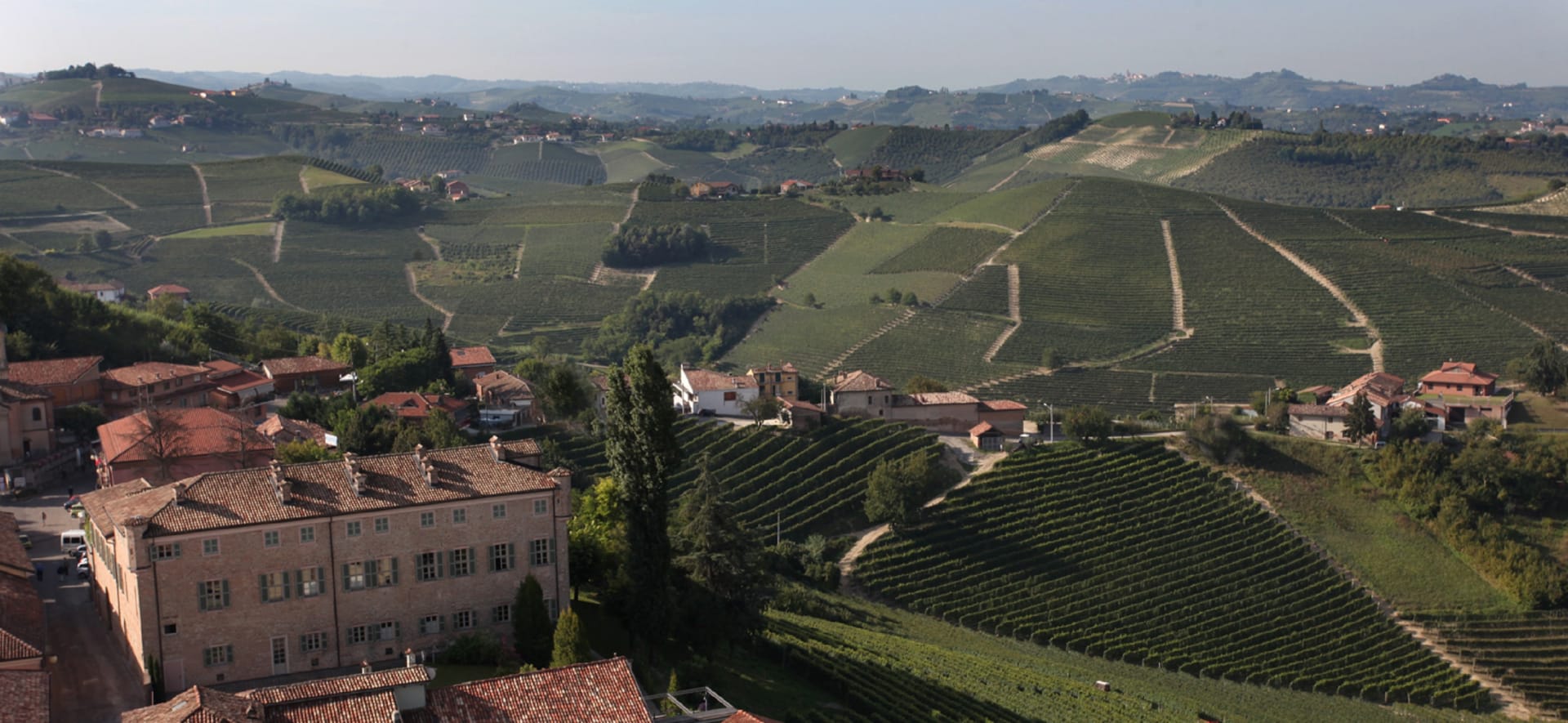


Perched atop a steep hill in the Langhe sits the small village of Barbaresco, home of the GAJA winery. The story of the GAJA Winery can be traced to a singular, founding purpose: to produce original wines with a sense of place which reflect the tradition and culture of those who made it. This philosophy has inspired five generations of impeccable winemaking. It started over 150 years ago when Giovanni Gaja opened a small restaurant in Barbaresco, making wine to complement the food he served. In 1859, he founded the Gaja Winery, producing some of the first wine from Piedmont to be bottled and sold outside the region. Since that time, the winery has been shaped by each generation’s hand, notably that of Clotilde Rey, Angelo Gaja’s grandmother. Her passion for uncompromising quality influenced and informed Angelo Gaja. Through Angelo, these values have become the cornerstone of the GAJA philosophy and are engrained in every aspect of wine production
In 1961, Angelo Gaja began his mission of bringing this great winery to an even higher level. He was the first to use barriques, 225-liter French oak barrels. Under his direction, GAJA pioneered the production of single-vineyard designated wines and was the first to plant Cabernet Sauvignon, Chardonnay and Sauvignon Blanc varietals in Piedmont. He was also instrumental in elevating the native Nebbiolo grape to world-class esteem.
Angelo Gaja is joined by the fifth generation of the GAJA family – his daughters Gaia and Rossana and his son Giovanni. Together they continue to advance the winery’s legacy. To fully realize their vision, all GAJA wines are produced exclusively from grapes grown in estate-owned vineyards, including 250 acres in Piedmont’s Barbaresco and Barolo districts as well as estates in Pieve Santa Restituta (Montalcino) and Ca’Marcanda (Bolgheri). It is from these storied vineyards, and their terroir – the combination of soil, weather and vines that grow upon them, that GAJA wines reveal their true heart and soul.

Attracting the most glory, prestige and fame to the Piedmont region, Nebbiolo in all of its expressions—Barolo, Barbaresco, Roero, Ghemme and Gattinara—creates a complex wine, truly unique for its delicate qualities combined with strength and a great potential to improve over time.
But Nebbiolo isn’t all there is to red wine from Piedmont! Barbera is the most planted variety and historically most popular as a dependable, food-friendly, everyday wine.
Beyond these two, a surprising number of red varieties call Piedmont their home. Worth a try include Dolcetto for its bold concentration and aromas of spice cake. Other grapes to investigate include Freisa, Croatina, Brachetto, Grignolino and Pelaverga.