

Winemaker Notes
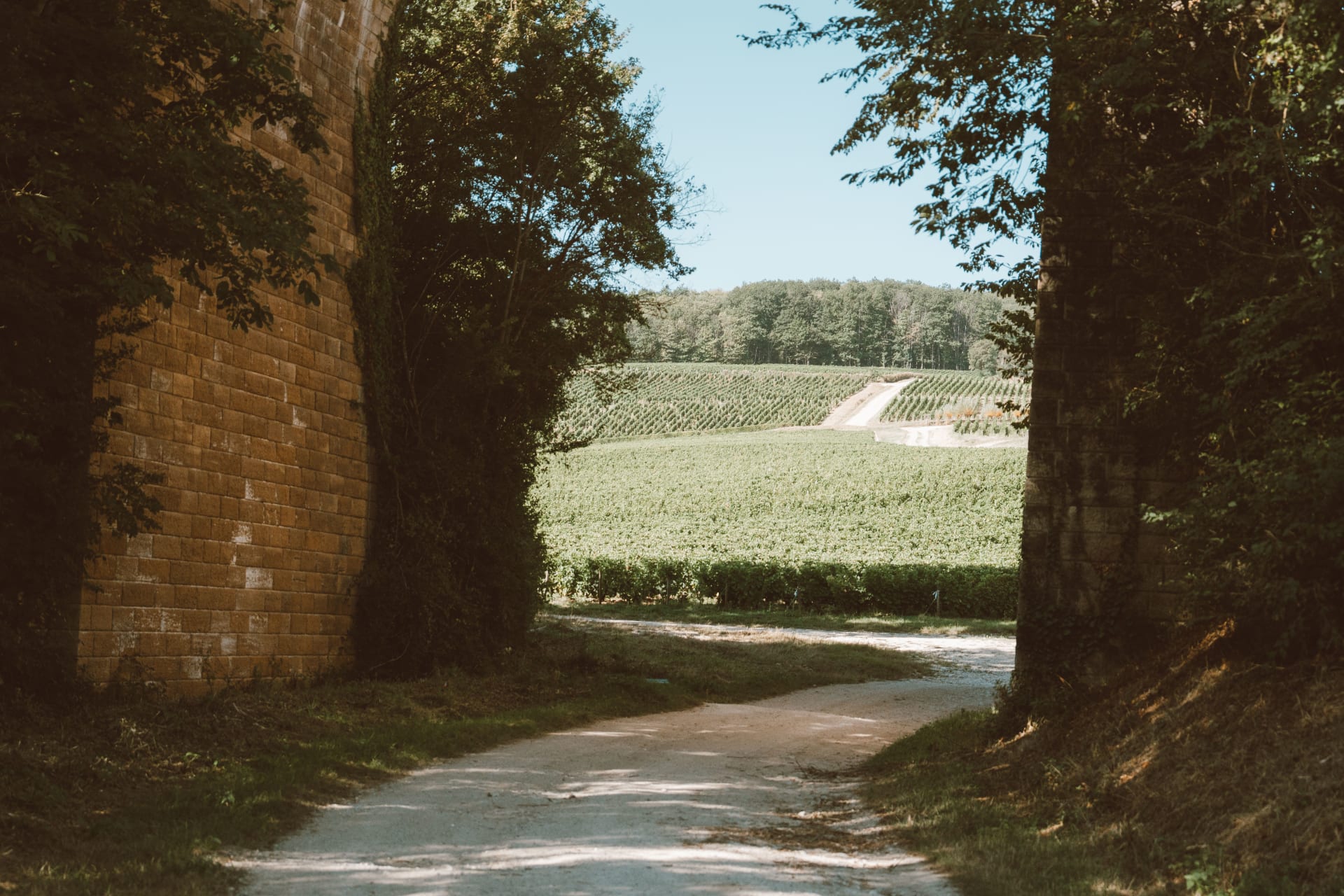


Since its creation by Aimée and Hubert Brochard, Domaine Hubert Brochard has been committed from one generation to the next to producing wines representative of the diversity of the Sancerre terroirs.
In July 2022, the Bollinger family group bought the domaine. A new adventure begins with the support of the expertise of Maison Langlois in Saumur, having acquired two vineyards in Sancerre in 1986 and 2017 (Château de Fontaine Audon, 15 ha and Château de Thauvenay, 18 ha).
François-Régis de Fougeroux, General Manager of Langlois and Domaine Hubert Brochard, surrounds himself with a new team: Rodrigo Zamorano (winemaker), Matthieu Franchini (head of viticulture), Anne-Sophie Brochard (cellar master) and Eléonore Marty (head of hospitality) to write the new pages of the Domaine.

Capable of a vast array of styles, Sauvignon Blanc is a crisp, refreshing variety that equally reflects both terroir and varietal character. Though it can vary depending on where it is grown, a couple of commonalities always exist—namely, zesty acidity and intense aromatics. This variety is of French provenance. Somm Secret—Along with Cabernet Franc, Sauvignon Blanc is a proud parent of Cabernet Sauvignon. That green bell pepper aroma that all three varieties share is no coincidence—it comes from a high concentration of pyrazines (herbaceous aromatic compounds) inherent to each member of the family.

Praised for its stately Renaissance-era chateaux, the picturesque Loire valley produces pleasant wines of just about every style. Just south of Paris, the appellation lies along the river of the same name and stretches from the Atlantic coast to the center of France.
The Loire can be divided into three main growing areas, from west to east: the Lower Loire, Middle Loire, and Upper/Central Loire. The Pay Nantais region of the Lower Loire—farthest west and closest to the Atlantic—has a maritime climate and focuses on the Melon de Bourgogne variety, which makes refreshing, crisp, aromatic whites.
The Middle Loire contains Anjou, Saumur and Touraine. In Anjou, Chenin Blanc produces some of, if not the most, outstanding dry and sweet wines with a sleek, mineral edge and characteristics of crisp apple, pear and honeysuckle. Cabernet Franc dominates red and rosé production here, supported often by Grolleau and Cabernet Sauvignon. Sparkling Crémant de Loire is a specialty of Saumur. Chenin Blanc and Cabernet Franc are common in Touraine as well, along with Sauvignon Blanc, Gamay and Malbec (known locally as Côt).
The Upper Loire, with a warm, continental climate, is Sauvignon Blanc country, home to the world-renowned appellations of Sancerre and Pouilly-Fumé. Pinot Noir and Gamay produce bright, easy-drinking red wines here.