


Winemaker Notes
Beautiful pale and luminous robe with an eau-de-rose hue. The nose is expressive with notes of apricot and peony. The attack is lively and elegant, with a great freshness that evokes citrus fruits and continues with a nice tension all in minerality.
Ideal to accompany an aperitif, a creamy burrata from Puglia with candied tomatoes or a nice beef carpaccio.
Professional Ratings
-
Decanter
Château d’Estoublon has a long winemaking history, and is today owned by some of France’s big names, including Jean-Guillaume Prats of Château Lafite fame, and former President and First Lady Nicolas Sarkozy and Carla Bruni. This is only the second vintage of Roseblood, a blend of Grenache and Cinsault with a dash of Tibouren. It’s impressive, a similar price to Whispering Angel but with more going on and real depth of flavour: tart strawberry and raspberry, with floral notes of peonies, some firm peach and apricot fruit, and a mineral streak. Serious rosé but so delicious.
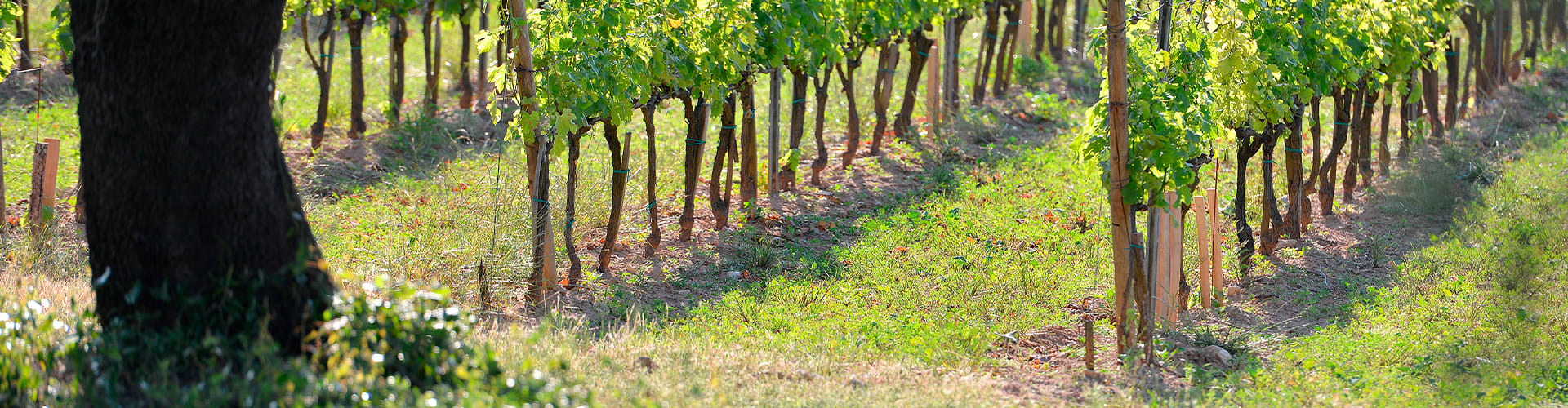


Nestled against the southern slopes of the Alpilles in the heart of Provence, Château d'Estoublon has been passionately perpetuating the tradition of olive oils and exceptional wines since 1489.
Today, the 200-hectare estate is owned and directed by an all-star cast: former French president Nicolas Sarkozy, Carla Bruni, the Courbit Family, and the Prats Family, previous owners of Château Cos d’Estournel. The team works alongside technical director Anais Maillet, former winemaker of Château Lafon-Rochet in St-Estephe and Terrazas de los Andes in Mendoza to create their flagship rose: Roseblood. They’ve chosen to write their history in harmony with nature by farming their vineyards both organically and sustainably.
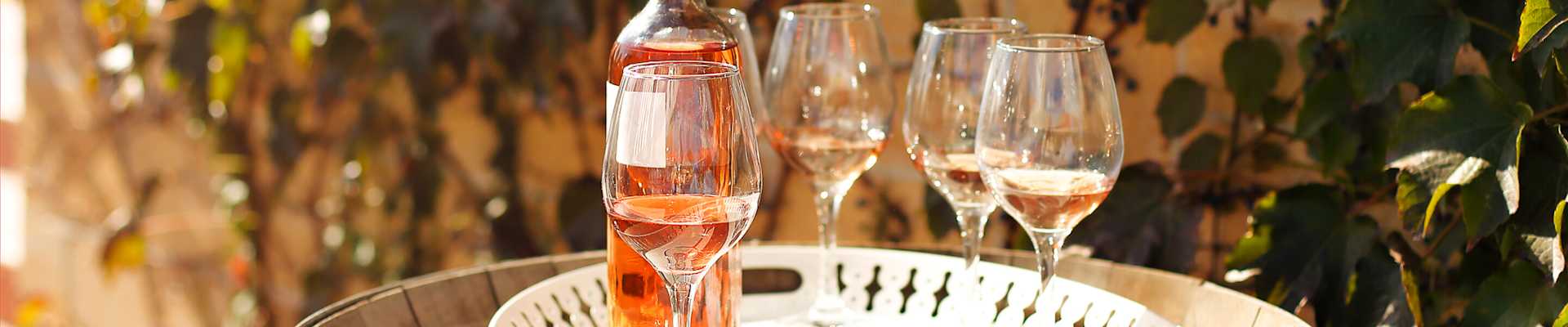
Whether it’s playful and fun or savory and serious, most rosé today is not your grandmother’s White Zinfandel, though that category remains strong. Pink wine has recently become quite trendy, and this time around it’s commonly quite dry. Since the pigment in red wines comes from keeping fermenting juice in contact with the grape skins for an extended period, it follows that a pink wine can be made using just a brief period of skin contact—usually just a couple of days. The resulting color depends on grape variety and winemaking style, ranging from pale salmon to deep magenta.

A sunny land braced by the influence of the Mediterranean Sea, the South of France extends from the French Riviera in the East to the rugged and mountainous Spanish border in the West. This expansive and stunning region remains the source of France's finest rosé and fortified wines, while the red and white wines continue to gain respect.
Provence, located farthest east, is revered for dry, elegant and quenching rosé wines, which make up the vast majority of the region’s production. These are typically blends of Mourvèdre, Grenache, Cinsault, Tibouren and other varieties.
Moving west from the Rhône Valley, spanning the Mediterranean coast to the Pyrenees mountains of Roussillon, Languedoc’s terrain is generally flat coastal plains. Virtually every style of wine is made in Languedoc; most dry wines are blends with varietal choice strongly influenced by the neighboring Rhône Valley.
Bordered by the rugged eastern edge of the Pyrenees Mountains and intense sunshine, Roussillon is largely defined by Spanish influence. The arid, exposed, steep and uneven valleys of the Pyrénées-Orientales zone guarantee that grape yields are low and berries are small and concentrated. While historically recognized for the vins doux naturels of Rivesaltes, Banyuls and Maury, the region’s dry reds are beginning to achieve the notoriety the deserve.
A catchall term for the area surrounding the Languedoc and Roussillon, Pays d’Oc is the most important IGP (Indication Géographique Protégée) in France, producing nearly all of France’s wine under the IGP designation.