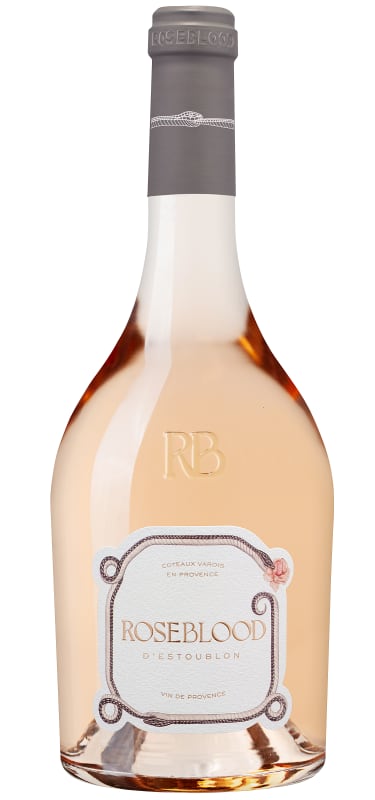


Winemaker Notes
Beautiful pale and luminous robe with an eau-de-rose hue. The nose is expressive with notes of apricot and peony. The attack is lively and elegant, with a great freshness that evokes citrus fruits and continues with a nice tension all in minerality.
Ideal to accompany an aperitif, a creamy burrata from Puglia with candied tomatoes or a nice beef carpaccio.
Professional Ratings
-
Robert Parker's Wine Advocate
Crafted from vines planted at 350-400 meters in altitude and on clay, limestone soils, the 2023 Roseblood d'Estoublon reveals a fresh, delicate bouquet of grapefruit, lemon, flowers, herbs and iodine. Medium-bodied, juicy and round, it’s fresh with lively acids and a long, mouthwatering, ethereal finish. This is a blend of 65% Grenache, 15% Syrah, 15% Cinsault and 5% Rolle.
-
Wine Spectator
Offers a vivid mix of strawberry, melon and crunchy nectarine flavors set against notes of smoke, fresh green herbs and salty mineral on a full palate. Immensely drinkable, with a good balance between density, energy and elegance.
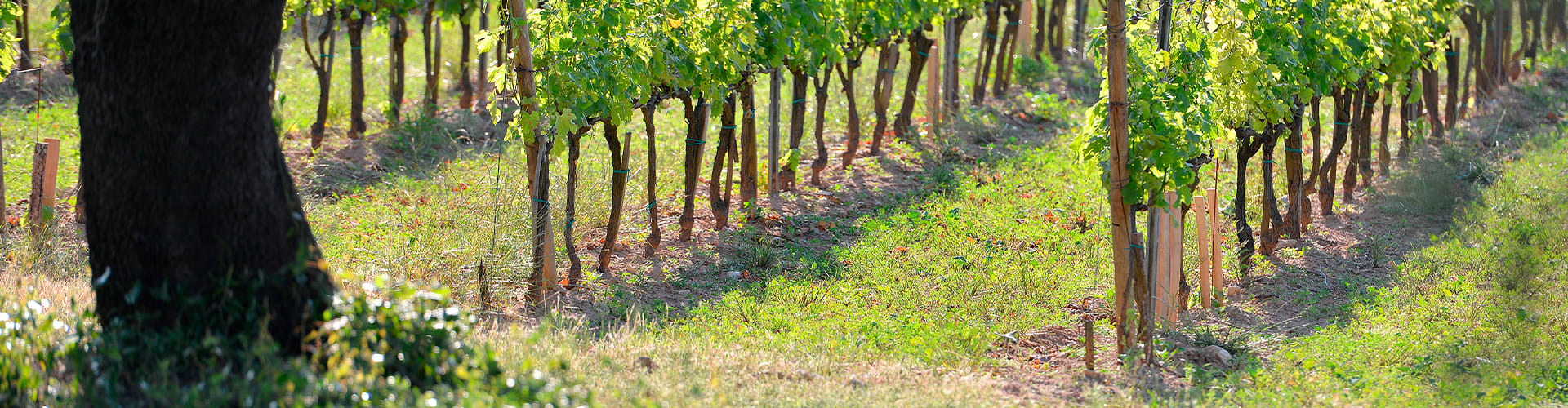


Nestled against the southern slopes of the Alpilles in the heart of Provence, Château d'Estoublon has been passionately perpetuating the tradition of olive oils and exceptional wines since 1489.
Today, the 200-hectare estate is owned and directed by an all-star cast: former French president Nicolas Sarkozy, Carla Bruni, the Courbit Family, and the Prats Family, previous owners of Château Cos d’Estournel. The team works alongside technical director Anais Maillet, former winemaker of Château Lafon-Rochet in St-Estephe and Terrazas de los Andes in Mendoza to create their flagship rose: Roseblood. They’ve chosen to write their history in harmony with nature by farming their vineyards both organically and sustainably.

Whether it’s playful and fun or savory and serious, most rosé today is not your grandmother’s White Zinfandel, though that category remains strong. Pink wine has recently become quite trendy, and this time around it’s commonly quite dry. Since the pigment in red wines comes from keeping fermenting juice in contact with the grape skins for an extended period, it follows that a pink wine can be made using just a brief period of skin contact—usually just a couple of days. The resulting color depends on grape variety and winemaking style, ranging from pale salmon to deep magenta.

A source of delicious rosés, the Coteaux de Varois en Provence is distinguished by calcareous soil and mountainous isolation. Raised on a plateau inland from the Mediterranean, the region’s maritime climate and clay/limestone soil impart a brisk acidity to its wines.
Red varieties here (for rosés and reds) include Cinsault, Grenache, Syrah, Mourvèdre, Carignan, Tibouren (a heritage variety) and Cabernet Sauvignon. Soft and delicate, with rose, cherry, and strawberry, the rosés boast a clarifying minerality while retaining the charming Provencal food-friendliness and quaffability. While the region puts 90% of its vinous energy into rosé wine, the remaining ten percent is divided 70/30 between red and white. The robust reds of Coteaux de Varois reds, if given the chance, show improvement with time in the cellar. The charming whites, based in Rolle (Vermentino, Grenache Blanc, Sémillon and Ugni Blanc have an affinity for seafood.