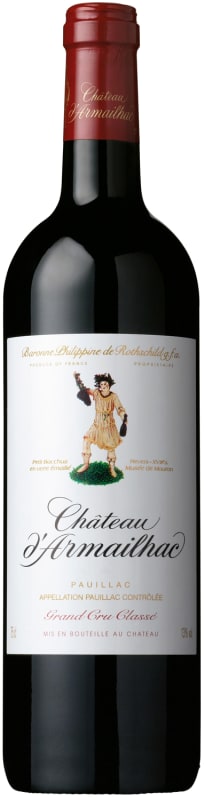


Winemaker Notes
Blend: 63% Cabernet Sauvignon, 22% Merlot, 13% Cabernet Franc, 2% Petit Verdot
Professional Ratings
-
Decanter
Smells heady, black bramble fruit on the nose, fragrant black cherries, a dusting of clove and cinnamon spice, orange peel - slightly bitter but juicy with a hint of toast too. Quite tight and lean, direct and focussed, this is streamlined - you can feel the cool blue fruit and slightly tense tannin structure, seamless but all held in one line in the centre of the wine. A little strict, but pure, precise and clean. There is lovely clarity to the expression, a silky texture with mouthwatering acidity. Tastes fresh and lively and so clean with that moreish salty and menthol tang that lingers on the tongue. Sleek with a really long finish. Really intense flavours that coat the mouth - cinnamon, clove, redcurrants, cherries, blueberries and blackcurrants. Cola and liquorice lingers on. Sleek and well delivered.
-
James Suckling
This fresh and vivid red has minerals and lead pencil with currants and berries. Some dried flowers. Medium body. Fine tannins and a lively finish. Crispy from bright acidity. Needs one or two years to soften slightly.
-
Robert Parker's Wine Advocate
The 2021 d'Armailhac has turned out beautifully, bursting with attractive aromas of minty cassis and blackberries mingled with notions of pencil shavings and sweet pipe tobacco. Medium to full-bodied, ample and polished, it's supple and seamless, with a fleshy core of fruit and a licorice-inflected finish. En primeur, I compared this to a modern-day version of the estate's immensely charming 1999, and anyone who remembers the 1999 will find that the 2021 delivers just as wide a drinking window.
-
Jeb Dunnuck
The 2021 Château D'Armailhac is terrific and, like all the releases under the Mouton-Rothschild umbrella, it has terrific depth of fruit and impressive richness. Ripe cassis, smoky tobacco, graphite, and ample minerality all emerge from this medium-bodied, beautifully balanced 2021. It plays in the fresher style of the vintage yet has a great mid-palate, good concentration, and a great finish. It will shine with just 2-3 years of bottle age and cruise for 15+ years in cold cellars.
-
Vinous
The 2021 d’Armailhac is very pretty, expressive wine driven by strong Cabernet Sauvignon inflections. Crushed flowers, herbs, mint, blood orange and earthy notes abound. It's a wine from a cold year, to be sure, but all the elements are very nicely balanced. There's terrific purity here. –Antonio Galloni
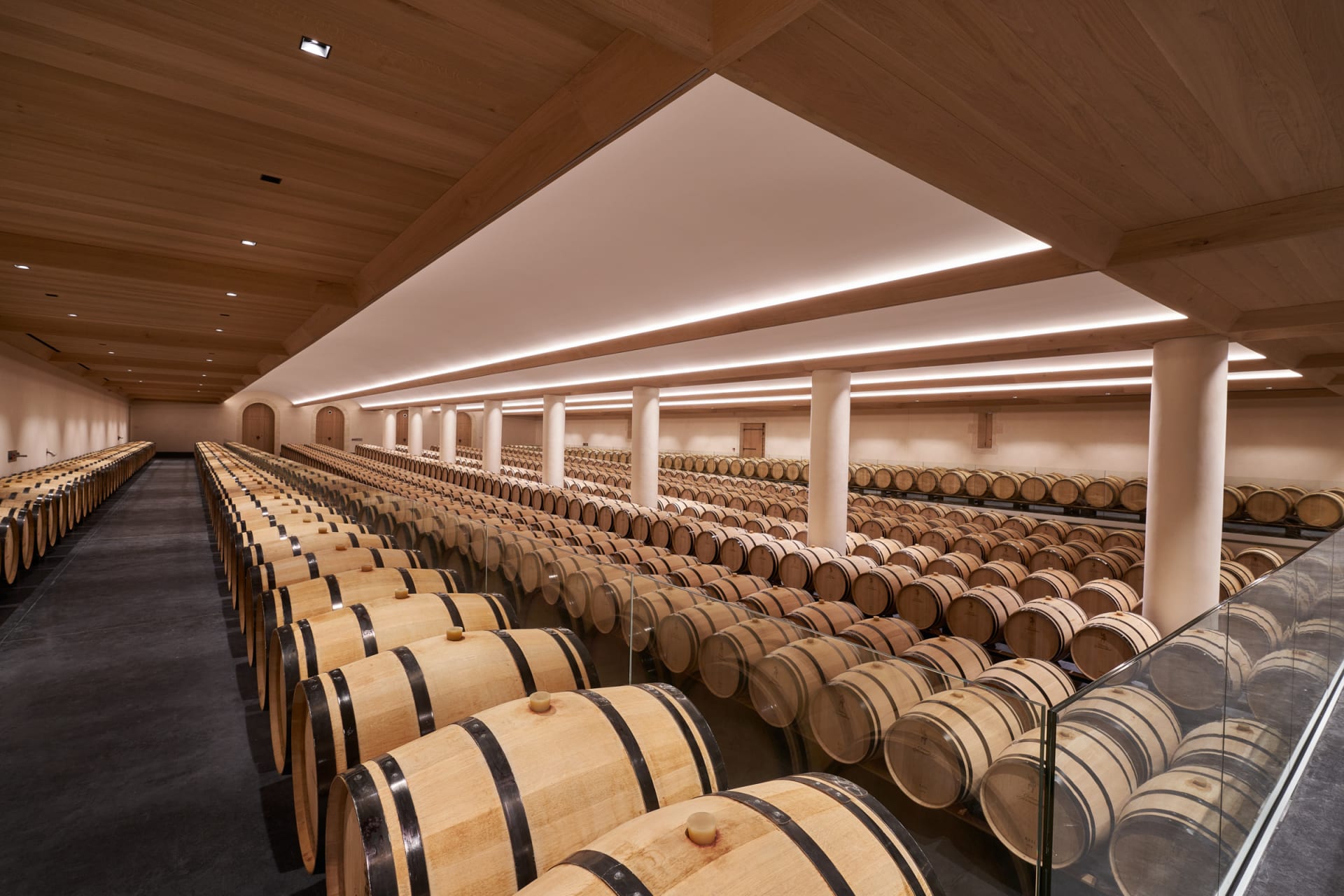


An 1855 Classified Growth, Château d’Armailhac is bordered to the north by Château Mouton Rothschild. It has 76 hectares (187 acres) of south-facing vines with an average age of 40 years, stretching over three gravel banks that embrace all the typical features of the Pauillac appellation.
The terroir, mostly comprising deep gravel, clay or clay-limestone and gravelly sand, is planted with classic Médoc grape varieties: Cabernet Sauvignon (55%), Merlot (35%), Cabernet Franc (8%) and Petit Verdot (2%).
The Cabernet Franc vines, which have an average age of 60 years, are mostly planted on the Plateau des Levantines, an ideal terroir in which they can put down deep roots. Derived from ancestral massal selections, these remarkable Cabernet Francs make up a relatively high proportion of the blend and are a hallmark of the wine.
Château d’Armailhac takes its name from the d’Armailhacq family who purchased the estate in 1660. Its history is bound up with that of pioneers of modern winegrowing such as Armand d’Armailhac.
The estate was acquired by Baron Philippe de Rothschild (1902-1988) in 1933, then inherited by his daughter Philippine de Rothschild (1933-2014). It now belongs to her three children, Camille and Philippe Sereys de Rothschild and Julien de Beaumarchais de Rothschild, who, with passion and the same attachment to the terroir, continue the family’s quest for excellence and innovation in the vineyard and winery.
Château d’Armailhac is a fine wine, typical of the Pauillac appellation, with an elegant classicism regardless of the vintage, and a robust and refined tannic structure.

One of the world’s most classic and popular styles of red wine, Bordeaux-inspired blends have spread from their homeland in France to nearly every corner of the New World. Typically based on either Cabernet Sauvignon or Merlot and supported by Cabernet Franc, Malbec and Petit Verdot, the best of these are densely hued, fragrant, full of fruit and boast a structure that begs for cellar time. Somm Secret—Blends from Bordeaux are generally earthier compared to those from the New World, which tend to be fruit-dominant.

The leader on the Left Bank in number of first growth classified producers within its boundaries, Pauillac has more than any of the other appellations, at three of the five. Chateau Lafite Rothschild and Mouton Rothschild border St. Estephe on its northern end and Chateau Latour is at Pauillac’s southern end, bordering St. Julien.
While the first growths are certainly some of the better producers of the Left Bank, today they often compete with some of the “lower ranked” producers (second, third, fourth, fifth growth) in quality and value. The Left Bank of Bordeaux subscribes to an arguably outdated method of classification that goes back to 1855. The finest chateaux in that year were judged on the basis of reputation and trading price; changes in rank since then have been miniscule at best. Today producers such as Chateau Pontet-Canet, Chateau Grand Puy-Lacoste, Chateau Lynch-Bages, among others (all fifth growth) offer some of the most outstanding wines in all of Bordeaux.
Defining characteristics of fine wines from Pauillac (i.e. Cabernet-based Bordeaux Blends) include inky and juicy blackcurrant, cedar or cigar box and plush or chalky tannins.
Layers of gravel in the Pauillac region are key to its wines’ character and quality. The layers offer excellent drainage in the relatively flat topography of the region allowing water to run off into “jalles” or streams, which subsequently flow off into the Gironde.