


Winemaker Notes
The wine is a garnet red with a crimson tint. The highly expressive nose is remarkable for its intense and radiant red fruit aromas mingled with notes of roasted coffee and marzipan. The ample and full-bodied attack reveals a well-rounded, silky tannic structure, giving an impression of richness and volume, underlined by a generous and varied range of flavors such as cherry, vanilla and licorice. The long finish is sustained by hints of chocolate.
Blend: 60% Cabernet Sauvignon, 29% Merlot, 9% Cabernet Franc, 2% Petit Verdot
Professional Ratings
-
Decanter
This wine is definitely softening and taking on shape in the bottle. The juiciness is starting to appear and you can see why this is the most easily approachable of the Mouton stable when young. Really enjoyable, delicately shaped but with the Pauillac signature of menthol and slate. 2% Petit Verdot completes the blend.
-
James Suckling
Aromas of dusty plums, berries and fine tobacco with a touch of dried earth. Medium- to full-bodied with firm, fine-grained tannins and a long, scented finish. 60% cabernet sauvignon, 29% merlot, 9% cabernet franc and 2% petit verdot.
-
Jeb Dunnuck
Made by the team at Mouton Rothschild, the 2015 Château D’Armailhac is a ripe, sexy 2015 that has plenty of power and depth in its cassis, lead pencil shaving, spice, and roasted herbs aromas and flavors. The 2015 is 60% Cabernet Sauvignon blended with roughly 30% Merlot and the balance Cabernet Franc and 2% Petit Verdot, and it’s medium to full-bodied, balanced, nicely concentrated and should keep for two decades or more.
-
Robert Parker's Wine Advocate
Composed of 60% Cabernet Sauvignon, 29% Merlot, 9% Cabernet Franc and 2% Petit Verdot, the 2015 D'Armailhac displays a medium to deep garnet-purple color and exuberant notions of exotic spices and potpourri over a core of black and red cherry preserves plus wild blueberries and a waft of tar. Medium to full-bodied, the palate reveals mouth-filling, juicy black berry flavors with approachable, grainy tannins and wonderful freshness on the finish.
-
Wine Enthusiast
This wine is firm, almost classically Pauillac in its black currants and acidity. The tannins are present behind the bright fruit and crisp texture. This wine has a dry core that will need to soften. Drink from 2025.
-
Wine Spectator
A singed vanilla and alder frame keeps a medium-weight core of plum and black currant fruit coiled up while tobacco and violet details fill in. A pretty, fine-edged chalky spine holds the finish.
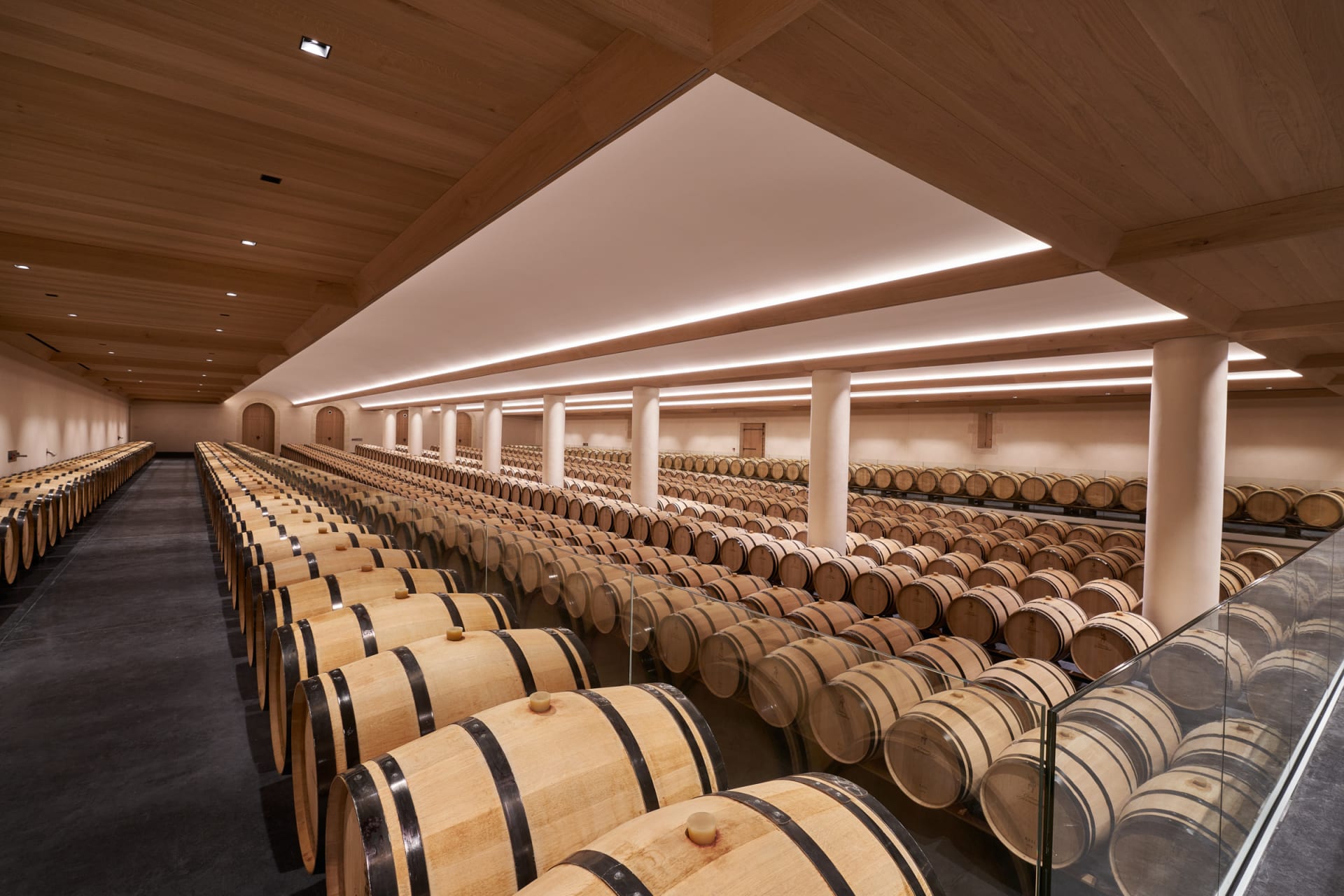


An 1855 Classified Growth, Château d’Armailhac is bordered to the north by Château Mouton Rothschild. It has 76 hectares (187 acres) of south-facing vines with an average age of 40 years, stretching over three gravel banks that embrace all the typical features of the Pauillac appellation.
The terroir, mostly comprising deep gravel, clay or clay-limestone and gravelly sand, is planted with classic Médoc grape varieties: Cabernet Sauvignon (55%), Merlot (35%), Cabernet Franc (8%) and Petit Verdot (2%).
The Cabernet Franc vines, which have an average age of 60 years, are mostly planted on the Plateau des Levantines, an ideal terroir in which they can put down deep roots. Derived from ancestral massal selections, these remarkable Cabernet Francs make up a relatively high proportion of the blend and are a hallmark of the wine.
Château d’Armailhac takes its name from the d’Armailhacq family who purchased the estate in 1660. Its history is bound up with that of pioneers of modern winegrowing such as Armand d’Armailhac.
The estate was acquired by Baron Philippe de Rothschild (1902-1988) in 1933, then inherited by his daughter Philippine de Rothschild (1933-2014). It now belongs to her three children, Camille and Philippe Sereys de Rothschild and Julien de Beaumarchais de Rothschild, who, with passion and the same attachment to the terroir, continue the family’s quest for excellence and innovation in the vineyard and winery.
Château d’Armailhac is a fine wine, typical of the Pauillac appellation, with an elegant classicism regardless of the vintage, and a robust and refined tannic structure.

One of the world’s most classic and popular styles of red wine, Bordeaux-inspired blends have spread from their homeland in France to nearly every corner of the New World. Typically based on either Cabernet Sauvignon or Merlot and supported by Cabernet Franc, Malbec and Petit Verdot, the best of these are densely hued, fragrant, full of fruit and boast a structure that begs for cellar time. Somm Secret—Blends from Bordeaux are generally earthier compared to those from the New World, which tend to be fruit-dominant.

The leader on the Left Bank in number of first growth classified producers within its boundaries, Pauillac has more than any of the other appellations, at three of the five. Chateau Lafite Rothschild and Mouton Rothschild border St. Estephe on its northern end and Chateau Latour is at Pauillac’s southern end, bordering St. Julien.
While the first growths are certainly some of the better producers of the Left Bank, today they often compete with some of the “lower ranked” producers (second, third, fourth, fifth growth) in quality and value. The Left Bank of Bordeaux subscribes to an arguably outdated method of classification that goes back to 1855. The finest chateaux in that year were judged on the basis of reputation and trading price; changes in rank since then have been miniscule at best. Today producers such as Chateau Pontet-Canet, Chateau Grand Puy-Lacoste, Chateau Lynch-Bages, among others (all fifth growth) offer some of the most outstanding wines in all of Bordeaux.
Defining characteristics of fine wines from Pauillac (i.e. Cabernet-based Bordeaux Blends) include inky and juicy blackcurrant, cedar or cigar box and plush or chalky tannins.
Layers of gravel in the Pauillac region are key to its wines’ character and quality. The layers offer excellent drainage in the relatively flat topography of the region allowing water to run off into “jalles” or streams, which subsequently flow off into the Gironde.