


Winemaker Notes
Pairs well with roasted veal, shiitake mushrooms, and beef tenderloin.
Professional Ratings
-
Jeb Dunnuck
Sitting within an alluvial fan where the vines feel the energy of the water below and the rocks are as big as cars, the 2012 Malbec Nicasia Vineyard is grown in limestone calcareous soil, the vines planted from a massal selection in 1996. It’s refined and silky on the palate, midweight, with well-resolved tannins at this point. It was 10% whole cluster fermented in new French oak foudres and 100% barrel fermented before spending two years in one- and two-year-old barrels. It’s a grand wine, a testament to Malbec’s aging qualities, melding together into one seamless expression of violet, dark chocolate, and wet stone.
-
James Suckling
Vivd aromas of currants and blackberries. So much dark fruit. Violets too. Full body, yet buttressed with a center palate of salty acidity and firm tannins. From grapes grown in Altamira. Persistent and vibrant.
-
Robert Parker's Wine Advocate
The 2012 Malbec Catena Zapata Nicasia Vineyard feels fresher and more harmonious than the 2011, when in reality the vintage character is the opposite. It is sourced from the vineyard that names the wine and that is located in Altamira. The Malbec grapes fermented in open barrels and cement vats with 15% whole-cluster Cabernet Franc. There is one extra level of precision and harmony here. It has an elegant nose and the palate almost reflects the tension in the skin of the grapes with its a velvety texture and great acidity. This is really tasty and long, it could be the best Nicasia ever produced.
-
Wilfred Wong of Wine.com
One of best Malbecs in the marketplace, the age-worthy 2012 Catena Zapata Nicasia Vineyard bursts with an incredible saturation of black fruit, red currants, and sweet oak. The wine's layered textures pair it perfectly with aged cheeses and conversation. Drinks youthfully now. (Tasted: September 7, 2016, San Francisco, CA USA)
-
Wine Enthusiast
This is overtly charred and blackened on the nose, as if it were exposed to maximum-toast oak during the aging process; additional aromas of charred beef and herbs add complexity. This feels choppy and tartaric, with blackberry, cassis, bacon and roasted flavors. A toasty, heavily oaked finish suggests that a few more years of aging will be beneficial. Drink through 2023.
-
Wine & Spirits
During the 1990s, Catena began to move into the higher elevations in the foothills of the Andes. This wine comes from La Consulta, a vineyard planted in 1996 at 3,600 feet. In a warm year like 2012, the coolness of the site is not so obvious in the wine: this malbec is decadently ripe, with sweet spice. But in the middle of all that fruit, soft floral aromas come through, giving a lovely cool side to this gentle, mountain-grown red.


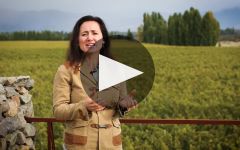



Bodega Catena Zapata is one of Argentina's high-altitude Malbec pioneers. The Catena family began making wine in Mendoza in 1902. Nicolas Catena, third generation family vintner, was one of the first to see the potential of Mendoza's mountain vineyards for producing high quality Malbec. In 1994, he became the first Argentine to export a world-class bottling of Malbec under the Catena label. Nicolas is joined by his daughter, Dr. Laura Catena, in their relentless pursuit of world-class quality from the family's high-altitude vineyards. Laura has done extensive work in introducing Malbec and other varietal plant selections, soil and climate analysis, and sustainable practices throughout Mendoza. Head winemaker, Alejandro Vigil, has been at Catena Zapata since 2002 and works with Laura and Nicolas to make wines that express the family's vineyards and palate.

Celebrated for its bold flavors and supple texture, Malbec has enjoyed runaway success in Argentina since the late 20th century. The grape originated in Bordeaux, France, where it historically contributed color and tannin to blends. A French agronomist, who saw great potential for the variety in Mendoza’s hot, high-altitude landscape, brought Malbec to Argentina in 1868. Somm Secret—If you’re trying to please a crowd, Malbec is generally a safe bet with its combination of dense fruit and soft tannins.

By far the largest and best-known winemaking province in Argentina, Mendoza is responsible for over 70% of the country’s enological output. Set in the eastern foothills of the Andes Mountains, the climate is dry and continental, presenting relatively few challenges for viticulturists during the growing season. Mendoza, divided into several distinctive sub-regions, including Luján de Cuyo and the Uco Valley, is the source of some of the country’s finest wines.
For many wine lovers, Mendoza is practically synonymous with Malbec. Originally a Bordelaise variety brought to Argentina by the French in the mid-1800s, here it found success and renown that it never knew in its homeland where a finicky climate gives mixed results. Cabernet Sauvignon, Syrah, Merlot and Pinot Noir are all widely planted here as well (and sometimes even blended with each other or Malbec). Mendoza's main white varieties include Chardonnay, Torrontés, Sauvignon Blanc and Sémillon.