
Winemaker Notes
Professional Ratings
-
Robert Parker's Wine Advocate
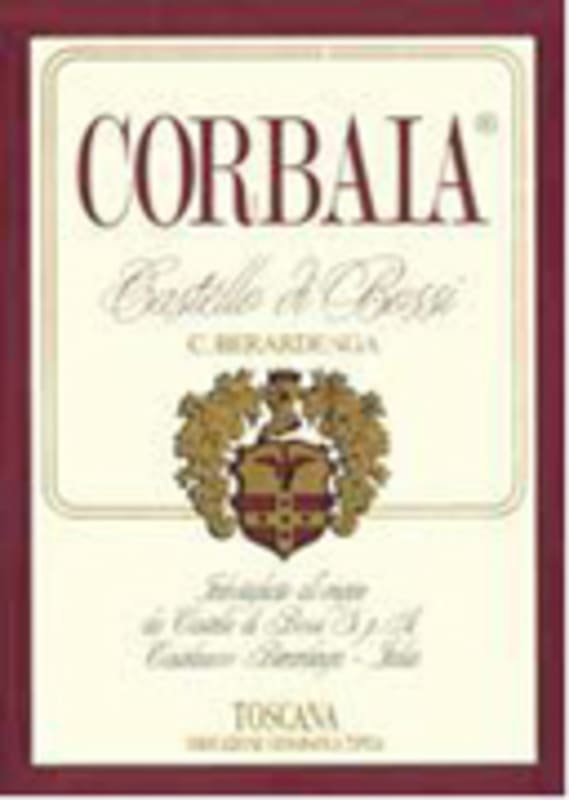
The 2004 Corbaia is 70% Sangiovese and 30% Merlot that also spent two years in Allier oak barrels. Interestingly, the Corbaia is softer and rounder than the Girolamo at this point. Polished, ripe tannins frame a core of dark cherries, licorice, new leather and spices. The wine reveals a graceful elegance that comes to life on the long, harmonious finish. Today the Corbaia reveals a touch more vibrancy and overall elegance than the Girolamo. Anticipated maturity: 2009-2019.
-
Wine Spectator
Aromas of red licorice, vanilla and raspberry follow through to a full body, with fine tannins and a long, caressing finish. Very pretty. Sangiovese and Cabernet Sauvignon.


With a history dating back to the 9th century AD, the Castello di Bossi estate has evolved with the times. A dynamic team leads the estate and never shies from technological innovation, while remaining true to the terroir of Chianti. It is this balance that has been a key part of Marco Bacci’s vision as he has brought Castello di Bossi to the highest ranks of international wine. As the mastermind of Castello di Bossi, he oversees all operations, from beginning to end, with careful attention to detail. In the last 10 years, Marco has added two properties to his holdings: Renieri in Montalcino and Terre di Talamo in the Morellino di Scansano appellation. The Bossi Castle is located in the town of Castelnuovo Berardenga, the southernmost appellation of Chianti Classico, amid evergreen woods and long rows of vines. With his brother Maurizio, Marco owns one of the best collections of estates in Tuscany, and is creating high-quality wines from some of the top Tuscan appellations. The wine consultant is Alberto Antonini and Federico Curtaz is the agronomist. Following in his father's footsteps, Marco's son Jacopo joined the company in 2004. First involved on the production side, Jacopo has come to be especially active in sales in the US and Asian markets.

Legendary in Italy for its Renaissance art and striking landscape, Tuscany is also home to many of the country’s best red wines. Sangiovese reigns supreme here, as either the single varietal, or a dominant player, in almost all of Tuscany’s best.
A remarkable Chianti, named for its region of origin, will have a bright acidity, supple tannins and plenty of cherry fruit character. From the hills and valleys surrounding the medieval village of Montalcino, come the distinguished and age-worthy wines based on Brunello (Sangiovese). Earning global acclaim since the 1970s, the Tuscan Blends are composed solely of international grape varieties or a mix of international and Sangiovese. The wine called Vine Nobile di Montepulciano, composed of Prognolo Gentile (Sangiovese) and is recognized both for finesse and power.