


Winemaker Notes
Professional Ratings
-
Jeb Dunnuck
Looking first at the 2018 Nisia, which is all Verdjo brought up in neutral barrels, this lively yet concentrated white has a richer nose of salted citrus, honeyed minerals, and toasted spices. These a carry to a medium-bodied white with a layered mouthfeel, plenty of fruit, and a terrific spine of acidity. It's beautifully done, has a touch of background oak, and is going to shine on the dinner table.
-
Wilfred Wong of Wine.com
COMMENTARY: The 2018 Nisia Las Suertes Verdejo Old Vines shows the strength of old vines and how well they bring out the vines' character. TASTING NOTES: This wine brings to fore a rush of dried fruit, stone fruit, and tart apple. Enjoy it with linguine and clams in a light garlic, wine-reduction sauce. (Tasted: March 21, 2021, San Francisco, CA)
-
James Suckling
A delicious verdejo with dried-apple and pear character and hints of dried pineapple. Medium body. Fruity finish. Drink now.



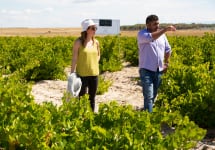
Verdejo is one of Spain’s most historic white grapes, as it has been in production since the Roman times, several thousand years ago. After over fifteen years as the lead producer of quality Verdejo in Spain, Ordóñez chose Puras, Valladolid, as the best appellation within Rueda for growing Verdejo. This isolated corner of the D.O. is home to sandy soils intermixed with river stones that were deposited tens of thousands of years ago when the Duero river was several hundred miles wide. Due to the sandy soils, this sub-appellation of Rueda, shaped like Italy’s boot, resisted the phylloxera. Bodegas Ordóñez takes advantage of this unique terroir to produce wine from its ungrafted vineyards, the oldest of which was planted in 1885. Jorge’s philosophy is to age all of their wines sur lie and barrel fermented in both stainless steel and large format, mostly used French oak.

Captivating and full of character, Verdejo grows with great success in Rueda, Spain and virtually nowhere else in Europe. It has become so trendy in Spain since the turn of the century that plantings have also increased tremendously. Somm Secret—Contrary to what some may think, it is actually not related to the Portugese variety with a very similar name, Verdelho. In fact, DNA profiling suggests it may be a sibling of Godello, another native of NW Spain.

Rueda is located along the banks of the Duero River in Spain’s Castilla y León region, just a 2-hour drive north of Madrid. While winemaking in this area goes back to the 12th century, it was in the 1980s that the region was granted Denominación de Origen (D.O.) status. Today, more than 70 wineries call Rueda home. This national favorite is the top-selling white wine in Spain.
Notable facts Rueda’s main grape variety, Verdejo, gets it distinct complexity from stressful growing conditions and mineral-rich soil. Think of Verdejo as a fuller-bodied and more aromatic Sauvignon Blanc. A lush and smooth character with perfectly balanced acidity means Rueda wines pair well with seafood, fresh salads and spicy food, but are also great on their own.