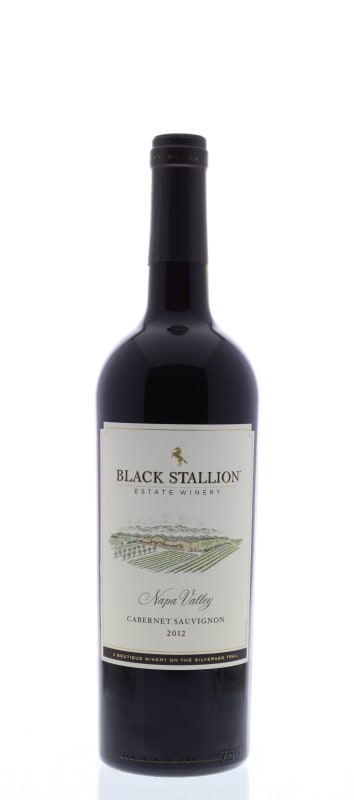


Winemaker Notes
This rich, fruit-forward wine calls for succulent, flavorful dishes such as grilled tenderloin with roasted shallots, creamy bleu cheeses, pepper-rubbed pork chops or duck breast with grilled plums.
The Cabernet Sauvignon is crafted from grapes grown in vineyard sites throughout the Napa Valley, each adding a layer of nuanced complexity to the final blend. The 2012 vintage includes fruit from Napa Valley's premier vineyards in Atlas Peak, Oak Knoll District, Rutherford, Oakville, Diamond Mountain, Stags Leap District, Mount Veeder, Spring Mountain and Howell Mountain.
Professional Ratings
-
James Suckling
Aromas of blueberry, blackberry and black licorice. Full body, round and silky tannins and a fresh and beautiful finish. Needs a year or two to soften, but impressive.
-
Wine Enthusiast
Attractively priced, this is a concentrated wine, offering bright, soft layers of dark cherry and cassis, with a slight taste of dark chocolate. Providing everything one needs in a big red wine, it ends powerfully in dusty tannins. Editors' Choice.





One of the most prestigious wines of the world capable of great power and grace, Napa Valley Cabernet is a leading force in the world of fine, famous, collectible red wine. Today the Napa Valley and Cabernet Sauvignon are so intrinsically linked that it is difficult to discuss one without the other. But it wasn’t until the 1970s that this marriage came to light; sudden international recognition rained upon Napa with the victory of the Stag’s Leap Wine Cellars 1973 Cabernet Sauvignon in the 1976 Judgement of Paris.
Cabernet Sauvignon undoubtedly dominates Napa Valley today, covering half of the land under vine, commanding the highest prices per ton and earning the most critical acclaim. Cabernet Sauvignon’s structure, acidity, capacity to thrive in multiple environs and ability to express nuances of vintage make it perfect for Napa Valley where incredible soil and geographical diversity are found and the climate is perfect for grape growing. Within the Napa Valley lie many smaller sub-AVAs that express specific characteristics based on situation, slope and soil—as a perfect example, Rutherford’s famous dust or Stags Leap District's tart cherry flavors.