

Winemaker Notes
Beringer has owned and farmed its Knights Valley vineyards since the mid-1960's, when the Beringer family recognized that the cobbley, rocky alluvial soils were a great place to grow high quality wine grapes. In the late 1980's, when phylloxera necessitated replanting, Beringer's vineyard manager Bob Steinhauer took advantage of the opportunity and replanted almost exclusively Bordeaux varietals that matched Knights Valley's soil and climate conditions.
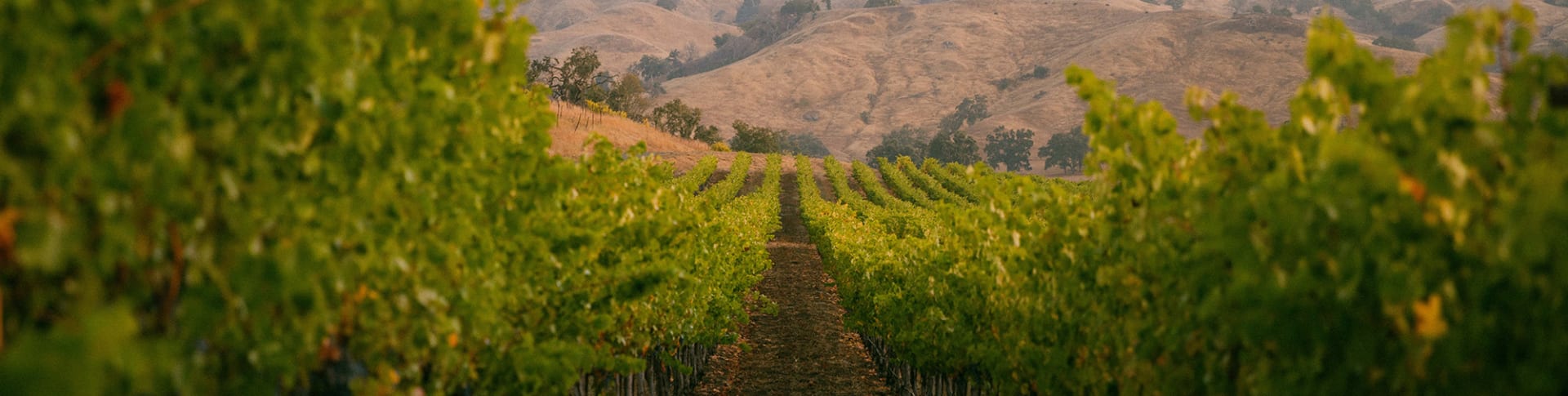



As California's longest continuously operating winery, Beringer has been defining Napa Valley winemaking since it was founded by Jacob and Frederick Beringer in 1876. By continuing that pioneering spirit, Beringer established many 'firsts' as leaders in the wine industry. They were one of the first gravity fed facilities and among the first to operate using hand dug caves and cellars. Beringer were the first to give public tours in 1934, starting a Napa Valley hospitality tradition. They are the first and only winery to have both a red and a white wine named #1 Wine of the Year by Wine Spectator Magazine. Today, they proudly celebrate and remain true to their pioneering legacy.

One of the world’s most classic and popular styles of red wine, Bordeaux-inspired blends have spread from their homeland in France to nearly every corner of the New World. Typically based on either Cabernet Sauvignon or Merlot and supported by Cabernet Franc, Malbec and Petit Verdot, the best of these are densely hued, fragrant, full of fruit and boast a structure that begs for cellar time. Somm Secret—Blends from Bordeaux are generally earthier compared to those from the New World, which tend to be fruit-dominant.
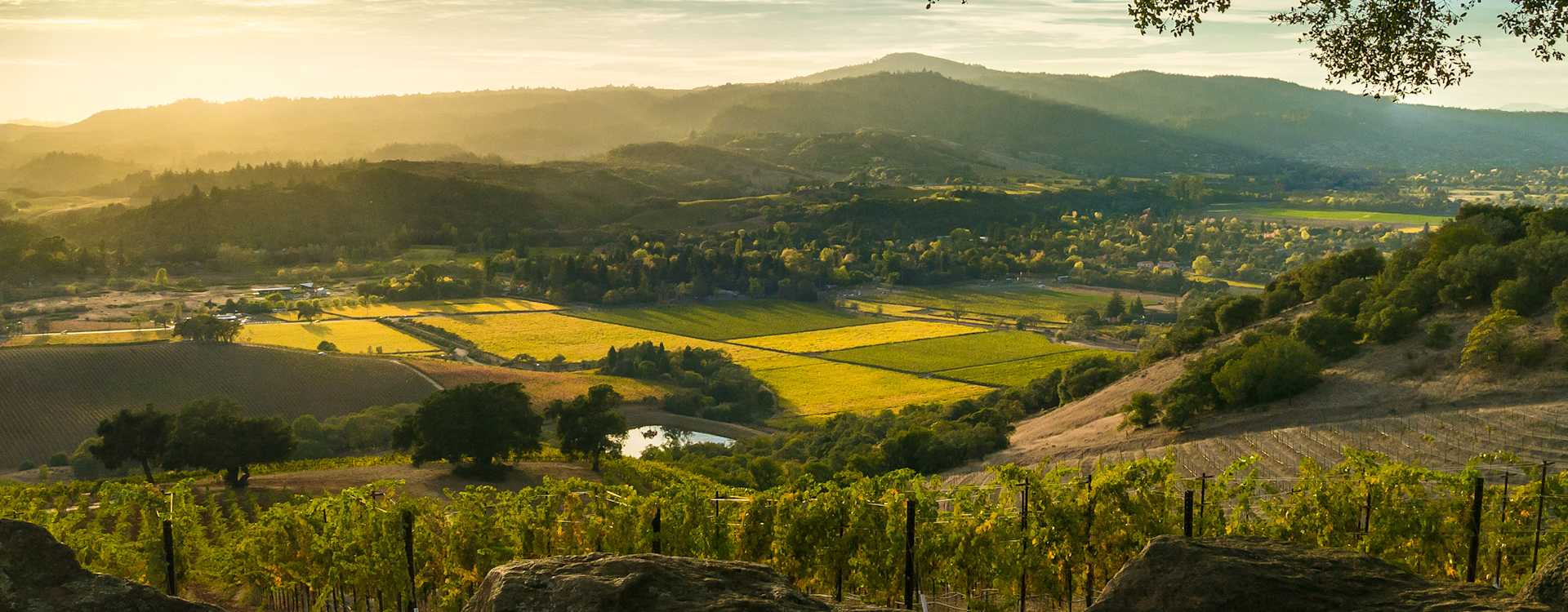
A small and picturesque valley separating Napa Valley on its south border and Alexander Valley to its north, Knights Valley excels in similar varieties as the two aforementioned appellations, namely red Bordeaux varieties and blends, as well as Sauvignon blanc. Originally established by Beringer Vineyards, today several outstanding producers claim acreage here. The circadian cooling effects of the nearby Pacific Ocean create a nighttime respite for vineyards during the hot growing season.