
Winemaker Notes
"Ever since I first started making a Merlot based Bordeaux blend from our Knights Valley fruit, I've enjoyed the process. As each vintage comes and the grapes show more and more mature flavors and complexity, the excitement has compounded. The spectrum of aromas, flavors, colors and tannins I have to play with is awesome in any vintage, and in 2000 I was especially enamored of the brightness of the cherry and blackberry characteristics in the Merlot we harvested."
-Ed Sbragia, Winemaster
The Vineyard:
Winemaster Ed Sbragia and vineyard manager
Bob Steinhauer first began working together with Knights Valley fruit in the late seventies. They spent the next decade learning the vineyard's
personality and understanding the varied microclimates and alluvial soil types that occurred throughout the property. Merlot is
planted in loamier soils near the center of the alluvial fan and the vines are trained and managed so that the fruit clusters are exposed to the early morning sun and shaded by their leaves from the warmer afternoon sun. "One of our values as a winery is that the vineyards are an extension of the winemaking thought process," explains Steinhauer.
The Winemaking:
Ed and Laurie kept all of the lots separate during vinification and aging to protect the subtle differences individual parts
of the vineyard exhibited. The wines were then aged in small French oak barrels for 22 months to soften the tannins and to add vanilla and sweet spice characters. The blend they chose is a lush, intense-cherry/blackberry core of 75 percent Merlot and layered 17 percent Cabernet Sauvignon to support the structure and add depth to the dark fruit aromas and flavors. Small amounts of Malbec, Petite Verdot and Cabernet Franc added more spice and fruit nuances to the palate, giving an overall impression of plushness and depth.
The Review:
"Sonoma's most inland appellation, where days get hot, is home to this Merlot-based, five-varietal Bordeaux blend. It's ripe in blackberries and plums, with herb and coffee complexities. Completely dry, with soft, smooth tannins, it's a heck of a good food wine."
-Wine Enthusiast
Professional Ratings


One of the world’s most classic and popular styles of red wine, Bordeaux-inspired blends have spread from their homeland in France to nearly every corner of the New World. Typically based on either Cabernet Sauvignon or Merlot and supported by Cabernet Franc, Malbec and Petit Verdot, the best of these are densely hued, fragrant, full of fruit and boast a structure that begs for cellar time. Somm Secret—Blends from Bordeaux are generally earthier compared to those from the New World, which tend to be fruit-dominant.
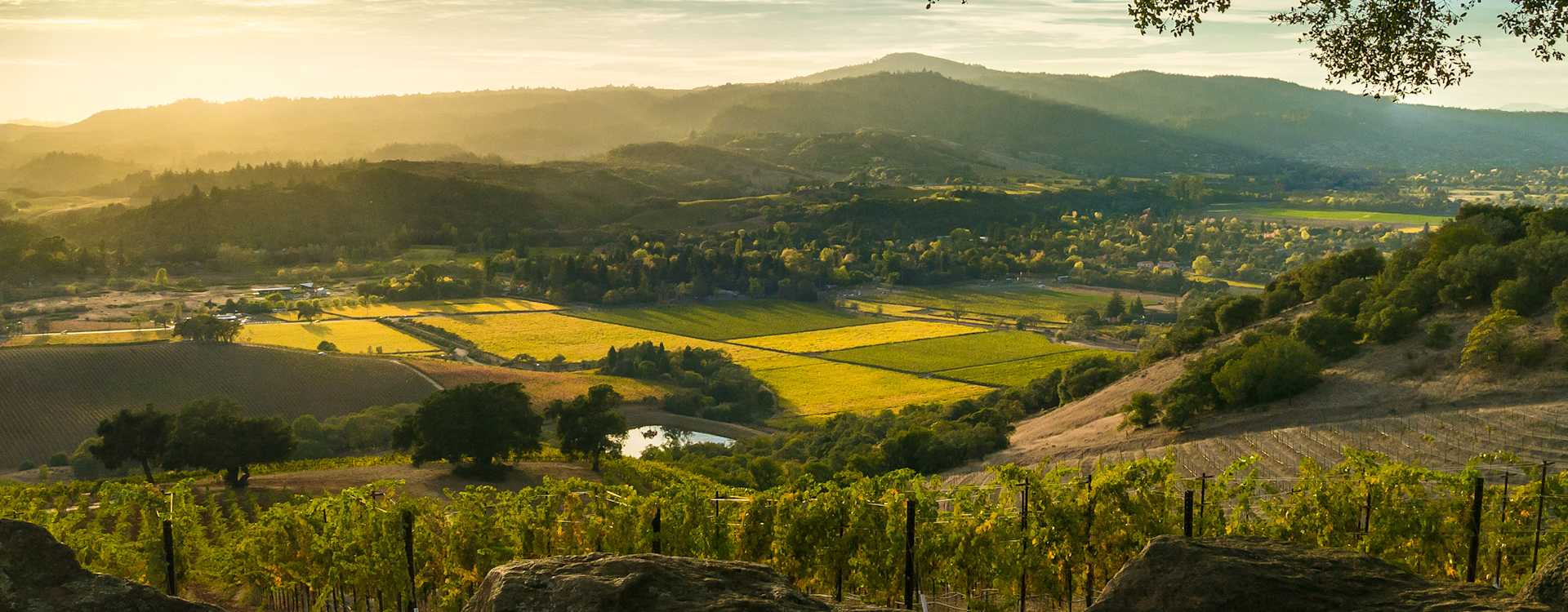
A small and picturesque valley separating Napa Valley on its south border and Alexander Valley to its north, Knights Valley excels in similar varieties as the two aforementioned appellations, namely red Bordeaux varieties and blends, as well as Sauvignon blanc. Originally established by Beringer Vineyards, today several outstanding producers claim acreage here. The circadian cooling effects of the nearby Pacific Ocean create a nighttime respite for vineyards during the hot growing season.