


Winemaker Notes
The aroma presents an unexpected complexity with elements of dark berries, dark flowers, chocolate, walnuts, spices, and nutmeg, with a hint of balsam. The taste includes pepper, clove, and refined spices, featuring concentrated and smooth tannins.
Professional Ratings
-
James Suckling
Deep, complex and serious, with tar, dried blackberries, peppercorns, asphalt, cocoa beans and a touch of lead pencil and cedar on the nose. Really vertical and tannic, with a full body and beautifully structured tannins. Don’t be put off by the austere, sinewy tannins, which are typical to sagrantino and show very good potential for its integration, even though it is too early to approach now. Very long, spicy and well framed, with a touch of bitter chocolate at the end. This should age very well in the next 15-20 years. Make sure you decant for at least five hours if you want to drink now, but better from 2032.
-
Wine Enthusiast
This wine enters the room like it owns it. Roasted fig and blackberry compote pour from the glass with a depth that feels almost gravitational, black plum, licorice and a warm savory darkness moving beneath layers of clove and black pepper. The oak is flashy and fully absorbed while the tannins work as a foundation rather than a feature, holding everything together in quiet and confident reserve. Drink from 2028.
Cellar Selection -
Robert Parker's Wine Advocate
I found good balance in the Arnaldo Caprai 2021 Montefalco Sagrantino 25 Anni. This is a headline wine for the region of Umbria and is one of the bottles that brought the Sagrantino grape to the international spotlight. Big tannins are always the issue with this full-bodied wine, and indeed, its structure and power are not to be underestimated. The question is, what do you pair with a wine this big, if not grilled meat or fatty foods? The Caprai winemaking team shows a deft hand at managing that astringency to craft velvety nuances that flesh out over the mid-palate.
Rating: 94+ -
Wine Spectator
Hints of mocha, eucalyptus and licorice enrich flavors of blackberry paste and fig cake in this tightly meshed, mouthwatering red. Offers a juicy profile that’s appealing today despite a firm frame of muscular tannins. Minerally iron mixes with fragrant herbs and spices on the lingering finish. Drink now through 2041.
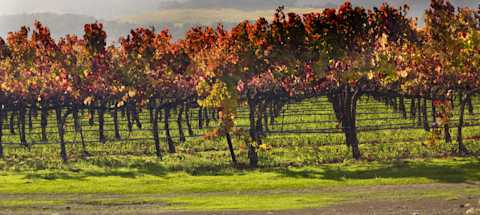




The family operation began in 1971 when textiles entrepreneur Arnaldo Caprai purchased 12.5 acres in Montefalco. In 1988, ownership passed on to Arnaldo’s son, Marco, who began the project to cultivate the promotion of the grape that has been growing in the Montefalco region for more than 400 years: Sagrantino. Today, the winery is the leading producer of top quality Sagrantino di Montefalco, a wine produced exclusively from this native variety. In addition to its commitment to quality, Arnaldo Caprai is recognized for its dedication to environmental, economic and social sustainability, as well as being champions for the wines of Umbria. Winery visits available for tasting.

Known for dark and dense red wines, Sagrantino is a grape unique to Umbria. The best examples come from the clay, sand and limestone soils around the village of Montefalco. Since Sagrantino grapes have a high level of tannins, law requires Sagrantino di Montefalco age at least 30 months before release to market. Sagrantino often benefits from further aging—though look to those labeled Rosso di Montefalco for early drinking Sagrantino-Sangiovese blends. Somm Secret—Sagrantino contains some of the highest polyphenol (antioxidant) levels compared to other red wine grapes.

Centered upon the lush Apennine Range in the center if the Italian peninsula, Umbria is one of the few completely landlocked regions in Italy. It’s star red grape variety, Sagrantino, finds its mecca around the striking, hilltop village of Montefalco. The resulting wine, Sagrantino di Montefalco, is an age-worthy, brawny, brambly red, bursting with jammy, blackberry fruit and earthy, pine forest aromas. By law this classified wine has to be aged over three years before it can be released from the winery and Sagrantino often needs a good 5-10 more years in bottle before it reaches its peak. Incidentally these wines often fall under the radar in the scene of high-end, age-begging, Italian reds, giving them an almost cult-classic appeal. They are undoubtedly worth the wait!
Rosso di Montefalco, on the other had, is composed mainly of Sangiovese and is a more fruit-driven, quaffable wine to enjoy while waiting for the Sagrantinos to mellow out.
Among its green mountains, perched upon a high cliff in the province of Terni, sits the town of Orvieto. Orvieto, the wine, is a blend of at least 60% Trebbiano in combination with Grechetto, with the possible addition of other local white varieties. Orvieto is the center of Umbria’s white wine production—and anchor of the region’s entire wine scene—producing over two thirds of Umbria’s wine. A great Orvieto will have clean aromas and flavors of green apple, melon and citrus, and have a crisp, mineral-dominant finish.