


Winemaker Notes
The influence of the sea and soil combined with slow ripening make for a deep ruby-red wine with a touch of violet and great aromatic complexity. The nose evokes ripe fruits with elegant notes of vanilla and spice from the well-integrated oak.
Ideal with lamb or game birds.
Professional Ratings
-
Vinous
The 2022 Pinot Noir Amayna, from Leyda in the coastal Aconcagua area, was fermented with up to 20% whole clusters and aged in barrels and foudres for a year. It unveils aromas of orange petit four, pink peppercorn, sour cherry and herbal hints, with a touch of bloodiness. Dry and creamy, the faintly taut palate lingers with a rich mouthfeel. This is a modern, savory Pinot Noir.
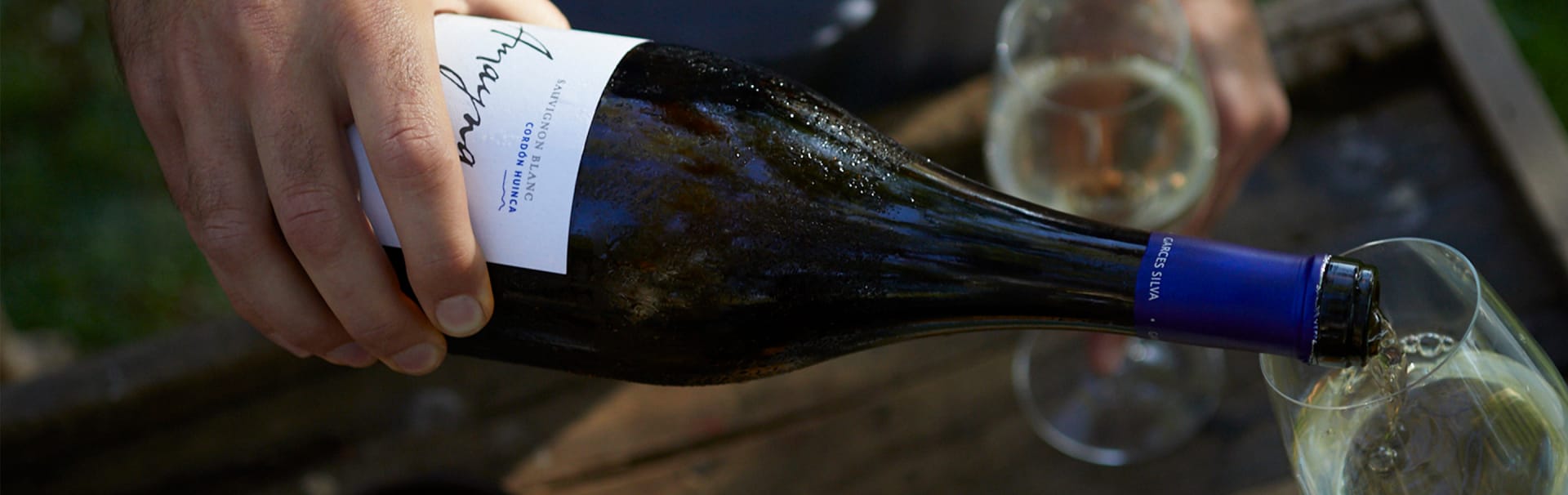


Matias Garcés Silva launched Amayna with his family's support with their first vintage in 2003. However, the project had its origins in the late 90's when the Garcés Silva family recognized the incredible, overlooked potential of Chile's San Antonio coast for premium viticulture. After building a pipeline from the Maipo river to this region to bring water for vine irrigation, the Leyda Valley officially entered the world of fine Chilean wine.
The word "amayna" in Chile loosely translates to "the calm after the storm" - that ominous yet peaceful feeling that you only experience around the ocean. Their gravity-fed winery and vineyards sit with an unobstructed view just 7 miles from the Pacific Ocean.
All Amayna wines are certified sustainable through Wines of Chile Sustainability Code.

Thin-skinned, finicky and temperamental, Pinot Noir is also one of the most rewarding grapes to grow and remains a labor of love for some of the greatest vignerons in Burgundy. Fairly adaptable but highly reflective of the environment in which it is grown, Pinot Noir prefers a cool climate and requires low yields to achieve high quality. Outside of France, outstanding examples come from in Oregon, California and throughout specific locations in wine-producing world. Somm Secret—André Tchelistcheff, California’s most influential post-Prohibition winemaker decidedly stayed away from the grape, claiming “God made Cabernet. The Devil made Pinot Noir.”

An officially recognized sub-zone in the southern part of the San Antonio Valley, the Leyda Valley was the original settlement of the wine pioneers who came to the area in the 1990s. They were in search of cooler and wetter growing conditions—as compared to more eastern, drier and often warmer locations.
Planting, which began only in the late 1990s, focused on Sauvignon blanc, Chardonnay, Pinot noir and some limited spots for Syrah. The area continues to receive well-earned accolades for wines of these varieties.