Winemaker Notes
Blend: 69% Cabernet Sauvignon, 24% Carmenere, 5% Cabernet Franc, 2% Petit Verdot
Professional Ratings
-
James Suckling
A glorious and complex nose of tobacco, blackberries and hints of stones and flowers. Hints of bitter chocolate. Full-bodied, very tight and compacted. Linear backbone gives this form and tension. It has the same character on the palate as well as cayenne and other spice. Loved the 2014 but this shows more fine-grained tannins. So balanced and harmonious. A blend of 69% Cabernet Sauvignon, 24% Carmenere, 5% Cabernet Franc and 2% Petit Verdot. Needs four or five years in bottle but a joy to taste now.
-
Wilfred Wong of Wine.com
A major triumph in the wine world, from a 1997 sealed partnership agreement between Baroness Philippine de Rothschild, Chairman of the Advisory Board of Baron Philippe de Rothschild SA, and Eduardo Guilisasti Tagle, Chairman of Viña Concha y Toro S.A, the aristocratic 2015 Almaviva Red makes a statement as a seamless melding of Bordeaux grape varieties. This wine, already displaying outstanding harmony, exhibits red currants, black fruits, and essence of oak. But more than that, this wine stood on its own pedestal in a tasting of some of the finest wines from South America. Give this wine time to reveal its magical qualities. (Tasted: October 1, 2017, San Francisco, CA)
-
Decanter
This latest release has 2% of Petit Verdot, adding a dash of dark pepper spice. It's a lovely wine, structured, intense but not tight, and beautifully balanced. There are some great liquorice and soft berry spice flavours, with notes of dark chocolate, cinnamon and sage. It has soft, smooth tannins which lend a supple texture to the wine. This gets better and better in the glass and has a freshness and grip that suggests great ageing potential.
-
Jeb Dunnuck
The 2015 Almaviva reflects the normal harvest conditions, which, if anything, was longer than normal, but optimal in every other way. Smoothly elegant and floral, it offers medium-bodied layers of peppery herb, vanilla bean, and black cherry, with polished, silky tannins and well-integrated oak. Aged 18 months in new French oak, the blend is 69% Cabernet Sauvignon, 24% Carménère, 5% Cabernet Franc, and 2% Petit Verdot.
-
Wine Spectator
Powerful and rich, this is full of juicy dark plum, cherry tart and berry compote flavors that are creamy and lush. Hints of French roast and spice emerge midpalate, with a long finish that is elegant and savory. Cabernet Sauvignon, Carmenère, Cabernet Franc and Petit Verdot. Drink now through 2023.
-
Robert Parker's Wine Advocate
The 2015 Almaviva wears the heat of the vintage on its sleeve, leading with a warm, pointed nose of candied red fruits, dark spices, raspberry liqueur and toasted oak. The palate is opulent and concentrated, finishing with sweet, luscious fruits and a bit of alcoholic heat framed by drying tannins. While it is by no means over the top, it comes off a bit monotone compared to more nuanced harvests like 2010 and 2016 or more recent vintages in which the style at Almaviva underwent substantial refinement.
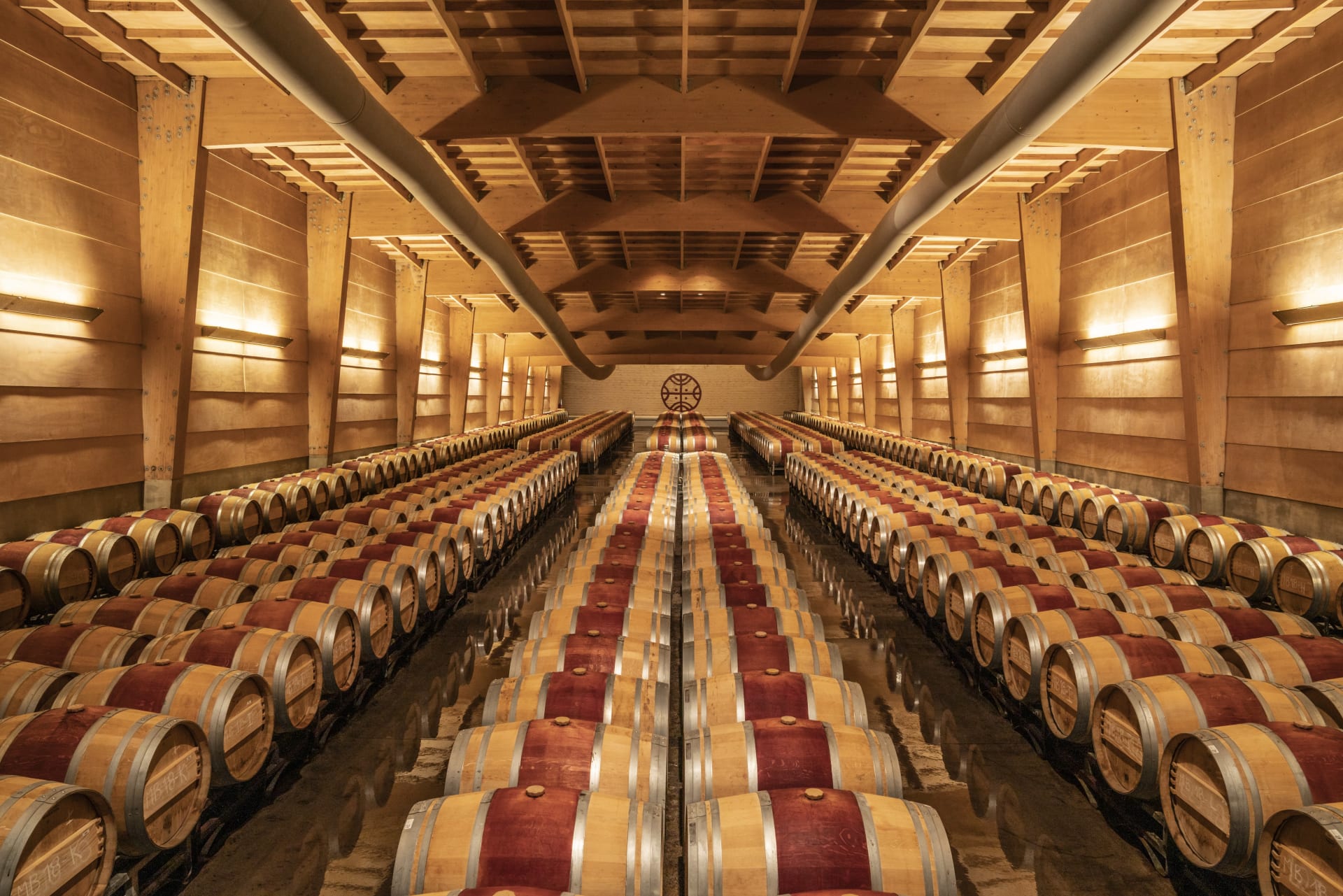


Almaviva is the name of both winery and wine born of the joint venture between Baron Philippe de Rothschild and Viña Concha y Toro. It is also that of Pierre de Beaumarchais' character, the "Count of Almaviva" in his Marriage of Figaro, a work Wolfgang Amadeus Mozart later turned into one of the most popular operas ever. The classical epithet, laid out in Pierre de Beaumarchais' fair hand, shares the label with insignia of pre-hispanic roots symbolizing a union of European and American cultures that at every level has created successive bonds over centuries that have evolved a unique identity. The recent synthesis of French tradition and American soil has delivered an exceptional wine embodying the best of both worlds, a Primer Orden that really shines.

One of the world’s most classic and popular styles of red wine, Bordeaux-inspired blends have spread from their homeland in France to nearly every corner of the New World. Typically based on either Cabernet Sauvignon or Merlot and supported by Cabernet Franc, Malbec and Petit Verdot, the best of these are densely hued, fragrant, full of fruit and boast a structure that begs for cellar time. Somm Secret—Blends from Bordeaux are generally earthier compared to those from the New World, which tend to be fruit-dominant.

Dramatic geographic and climatic changes from west to east make Chile an exciting frontier for wines of all styles. Chile’s entire western border is Pacific coastline, its center is composed of warm valleys and on its eastern border, are the soaring Andes Mountains.
Chile’s central valleys, sheltered by the costal ranges, and in some parts climbing the eastern slopes of the Andes, remain relatively warm and dry. The conditions are ideal for producing concentrated, full-bodied, aromatic reds rich in black and red fruits. The eponymous Aconcagua Valley—hot and dry—is home to intense red wines made from Cabernet Sauvignon, Syrah and Merlot.
The Maipo, Rapel, Curicó and Maule Valleys specialize in Cabernet and Bordeaux Blends as well as Carmenère, Chile’s unofficial signature grape.
Chilly breezes from the Antarctic Humboldt Current allow the coastal regions of Casablanca Valley and San Antonio Valley to focus on the cool climate loving varieties, Pinot Noir, Chardonnay and Sauvignon Blanc.
Chile’s Coquimbo region in the far north, containing the Elqui and Limari Valleys, historically focused solely on Pisco production. But here the minimal rainfall, intense sunlight and chilly ocean breezes allow success with Chardonnay and Pinot Noir. The up-and-coming southern regions of Bio Bio and Itata in the south make excellent Riesling, Chardonnay and Pinot Noir.
Spanish settlers, Juan Jufre and Diego Garcia de Cáceres, most likely brought Vitis vinifera (Europe’s wine producing vine species) to the Central Valley of Chile sometime in the 1550s. One fun fact about Chile is that its natural geographical borders have allowed it to avoid phylloxera and as a result, vines are often planted on their own rootstock rather than grafted.