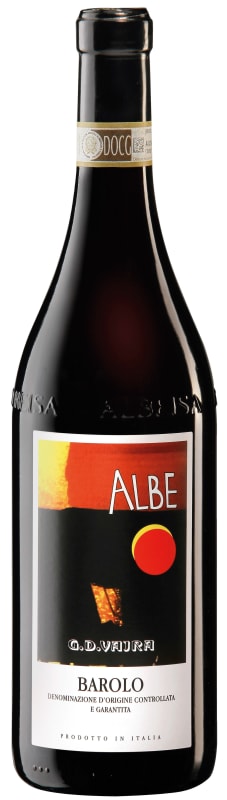


Winemaker Notes
Garnet red color with a lively core. The nose opens with fresh and crushed flowers, bright Nebbiolo aromatics and light balsamic notes. The mouth is vibrant and energetic, enriched by tones of rose petal, fresh red fruits, spices, tobacco and orange peel. Long, with fine and velvet tannins.
Professional Ratings
-
Robert Parker's Wine Advocate
Do you have a favorite pair of jeans or a favorite dress that you keep in your closet for all occasions? That's the equivalent of this wine. The G.D. Vajra 2021 Barolo Albe is an enormously versatile expression of Nebbiolo, with an affordable price, that offers more value for your money than most Barolos out there. The bouquet focuses on dark berry, pressed flower and crushed stone. It offers good sharpness over broad lines. The mouthfeel is medium-plus in texture and it closes with silky, accessible tannins. Fruit comes from three cru sites: Coste di Vergne, Fossati and La Volta.
-
Jeb Dunnuck
The 2021 Barolo Albe continues to be one of the best values the region has to offer and punches far above its weight class in this vintage. The nose is ripe with fresh, layered notes of pure red cherries, fresh flowers, anise, and refined spices. The palate is fantastic and pure, with a long finish. This is one of the best vintages of this wine I have tasted to date, revealing great definition of structure and a refreshing feel that makes this a fantastic go-to option to check in on again and again as it ages.
-
James Suckling
Violets with dried flowers and hints of blueberries and menthol. This has a juicy profile of fruit that complements a big tannin structure that concludes with a firm, tightly wound finish and just a touch of shy fruit. Approachable now, but best in 2026.
-
Wine Spectator
An elegant style, this red delivers strawberry, raspberry, cherry, rose and eucalyptus aromas and flavors. Supple, with a light grain to its tannins, this builds discreetly to the lingering finish.
-
Vinous
The 2021 Barolo Albe is bright, aromatic and vibrant in the glass. Medium in body and super-refined, the 2021 is a delight. This is one of the more understated recent vintages I can remember tasting. It’s a terrific introduction to this range.
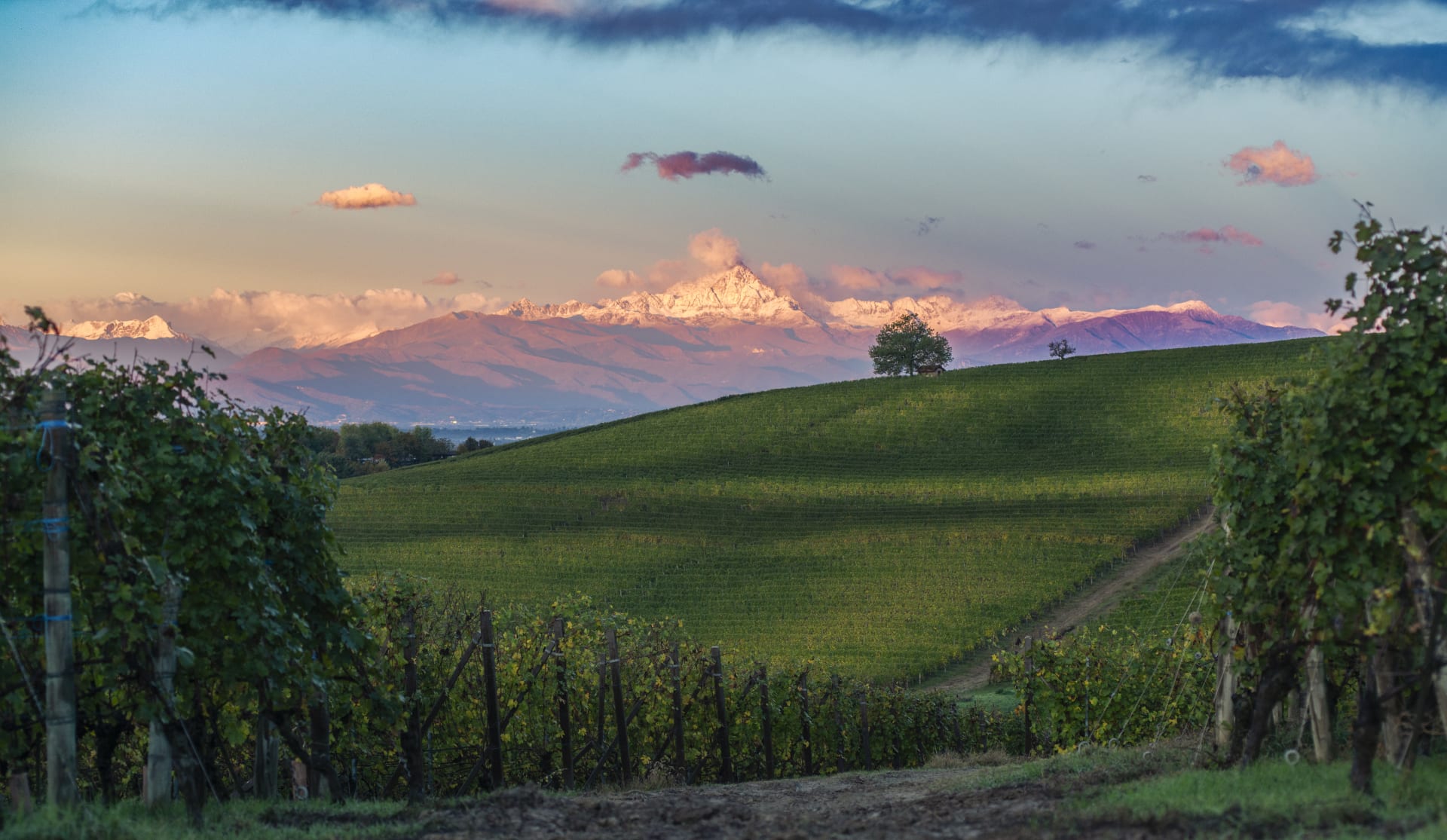


The Vajra family has farmed Bricco delle Viole, the highest cru in Comune di Barolo, since the 1880s. At the young age of fifteen, Aldo Vajra embraced the dream to revive his family legacy. Displaying a vision and commitment belying his young age he took over the estate in 1968, turning a new page.
Aldo soon acquired the first organic certification of the region (1971), created private biotype selections (selezioni massali) of Nebbiolo and Dolcetto, pioneered the renaissance of Freisa, a noble yet forgotten local grape (1980) and the cultivation of Rhine Riesling in Piemonte (1985).
Today, the Vajra family continues the vineyard research focusing on the influence of soil and climate change. The winery is trail-blazing the rediscovery of Chiaretto di Nebbiolo and the wines of the 17th century – long before Barolo was created - through two limited-production wines: "N.S. della Neve" (a champagne-method rosé brut) and "Claré J.C.", a partial whole-cluster fermentation of pure Nebbiolo.
High elevation vineyards are a unique factor to the Vajra wines, for their ability to express finesse and remarkable complexity over power.
Attention to details and humility towards the nature, uncompromised efforts and humanity: so are Aldo and Milena, now joined by their energetic children Giuseppe, Francesca and Isidoro, and by an amazing team of young professionals, in their quest for an authentic expression of their land into the wines. G.D. Vajra is an independent winery, entirely family-owned.
The winery quality focus grows during the years, SNQPI (2016) and Equalitas (2022) joined their certifications pack, the research on the flora and fauna, the improvement of biodiversity and the preservation of the old vines are a part of their everyday life and the future goal. G.D. Vajra is an independent winery, entirely family-owned.

Responsible for some of the most elegant and age-worthy wines in the world, Nebbiolo, named for the ubiquitous autumnal fog (called nebbia in Italian), is the star variety of northern Italy’s Piedmont region. Grown throughout the area, as well as in the neighboring Valle d’Aosta and Valtellina, it reaches its highest potential in the Piedmontese villages of Barolo, Barbaresco and Roero. Outside of Italy, growers are still very much in the experimentation stage but some success has been achieved in parts of California. Somm Secret—If you’re new to Nebbiolo, start with a charming, wallet-friendly, early-drinking Langhe Nebbiolo or Nebbiolo d'Alba.

The center of the production of the world’s most exclusive and age-worthy red wines made from Nebbiolo, the Barolo wine region includes five core townships: La Morra, Monforte d’Alba, Serralunga d’Alba, Castiglione Falletto and the Barolo village itself, as well as a few outlying villages. The landscape of Barolo, characterized by prominent and castle-topped hills, is full of history and romance centered on the Nebbiolo grape. Its wines, with the signature “tar and roses” aromas, have a deceptively light garnet color but full presence on the palate and plenty of tannins and acidity. In a well-made Barolo wine, one can expect to find complexity and good evolution with notes of, for example, strawberry, cherry, plum, leather, truffle, anise, fresh and dried herbs, tobacco and violets.
There are two predominant soil types here, which distinguish Barolo from the lesser surrounding areas. Compact and fertile Tortonian sandy marls define the vineyards farthest west and at higher elevations. Typically the Barolo wines coming from this side, from La Morra and Barolo, can be approachable relatively early on in their evolution and represent the “feminine” side of Barolo, often closer in style to Barbaresco with elegant perfume and fresh fruit.
On the eastern side of the Barolo wine region, Helvetian soils of compressed sandstone and chalks are less fertile, producing wines with intense body, power and structured tannins. This more “masculine” style comes from Monforte d’Alba and Serralunga d’Alba. The township of Castiglione Falletto covers a spine with both soil types.
The best Barolo wines need 10-15 years before they are ready to drink, and can further age for several decades.