


Winemaker Notes
A very deep, dense, red in color. Aromas of red currants, perfumed cedar and complex, savory dried herbs. This Cabernet-Shiraz blend shows precise aromatics and is classically rich through the middle palate with exotic florals, cranberry complexity and dark chocolate. A full-bodied wine complemented with a long, flowing, precise tannin profile. A wine that truly reflects the generosity and refinement of the 2016 vintage. Very stylish.
Pair with beef fillet with beetroot and horseradish or a vegan BBQ pinto bean burger patty with mushrooms, soy sauce, black pepper and molasses.
Professional Ratings
-
Decanter
Cool summer and autumn nights tempered warm days in 2016, producing great intensity to the iodine and espresso-edged nose and palate here. With silky blackberry and currant, fleshier mulberry and refreshing blood plum, the palate is motile, its juicy persistence a foil to the creamy, savoury oak (French barriques, Hungarian and American hogsheads, 28% new) and dynamic snare of ripe but present tannins. A fitting tribute to Yalumba's chief winemaker, Louisa Rose.
-
James Suckling
A very youthful vintage, this is taut and will age very well. Aromas of blackcurrants, tar, blackberries and baking spices lead to a palate that has such an intense, gently smoky thread with a succulent, juicy red-plum, berry and spice finish. Light espresso. Super long-aging Signature here. A blend of Barossa cabernet sauvignon and shiraz. Try from 2024.
-
Robert Parker's Wine Advocate
Yalumba's 2016 The Signature Cabernet Sauvignon Shiraz is a Barossa-based blend of 53% Cab and 47% Shiraz. Aged in a mix of barriques and hogsheads (28% new), it offers up scents of cherry, cassis and tobacco, with grace notes of cedar and vanilla. Medium to full-bodied, it's concentrated, silky, streamlined and long on the finish—very much a classic claret style despite the high proportion of Shiraz. Each year's edition of the wine is dedicated to a notable Yalumba employee; the 2016 is dedicated to Chief Winemaker Louisa Rose.
-
Wine Enthusiast
The latest release of this wine honors the company’s chief winemaker of 30 years, Louisa Rose. This is a lucid, multilayered wine that shows notes of dark cherry, currant, chocolate, mint, bay and peppery spices smudged with graphite. The palate is big and rich but tempered by fine, chalky tannins, with a tang to the fruit and an underbelly of roast meat. Drink 2022–2036.Cellar Selection.
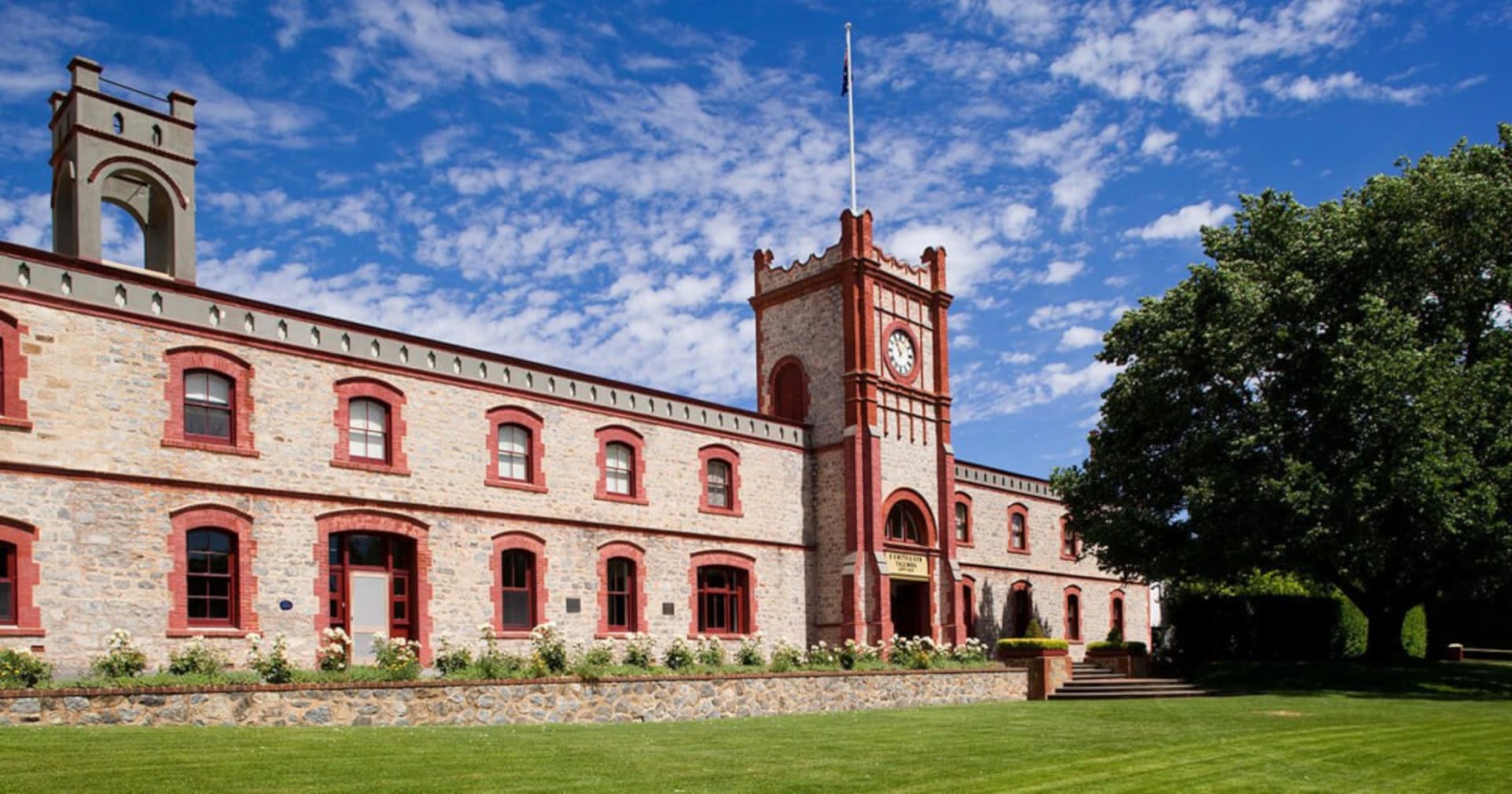




Established in 1849, Yalumba is Australia’s most historic family-owned wine company showcasing the best of the Barossa and South Australian wine regions. Fiercely independent and extremely progressive through the generational ownership by the Hill-Smith family, their longevity and success are a result of patience, collaboration, and forward-thinking. Yalumba is a leader in the industry with the foresight to embrace the natural terroir to craft wines with individual character and a sense of purpose, as well as a spirit to reinvest in the land upon which it operates. Yalumba is committed to sharing stories of provenance gathered over 175 years of history of family winemaking.
Arguably the single most famous wine region in Australia, the Barossa includes both Barossa Valley and Eden Valley, making it one of the only areas in Australia to have neighboring warm and cool climate growing conditions. Yalumba is privileged to have access to some of the oldest vineyards in the world in Barossa Valley, including 1889 bush vine Grenache and 1908 Shiraz. They are committed to growing premium quality fruit reflecting distinctive varietal characters of the region.
Yalumba also operates the Southern Hemisphere's only fully operational Cooperage, crafting bespoke oak barrels that elevate the wines aged within them. While the beginnings of the Yalumba Cooperage remain a mystery lost in time, coopering has been a proud tradition at the winery for more than a century. Their coopers have been performing and perfecting their craft since around 1890. In the Nursery, Yalumba is a global leader in wine innovation, growing, evaluating, and supplying quality grape vines to the Australian wine industry. Yalumba has developed strong relationships with leading grapevine programs from around the world and have exclusive access to certain new varietals in Australia. This gives the Yalumba viticulturists and winemakers the unique opportunity to evaluate and develop new or emerging varieties before they are sold.
Yalumba continually strives to reduce their impact on the environment, stay involved in the community, and make great wine with minimal intervention in the vineyard and in the winery. They are committed to sustainable practices, with the belief that the healthier and more biodiverse the vineyards are, the better the wines will be. Yalumba has been developing its own sustainable viticulture program since the mid-1990s, promoting the economic production of quality grapes. For every acre of vineyard Yalumba own, they have at least one acre of native vegetation. All Yalumba wines are crafted with wild yeast, are 100% vegan, and are made with the least intervention possible but with as much knowledge, confidence, and expertise as possible.

With hundreds of red grape varieties to choose from, winemakers have the freedom to create a virtually endless assortment of blended red wines. In many European regions, strict laws are in place determining the set of varieties that may be used, but in the New World, experimentation is permitted and encouraged resulting in a wide variety of red wine styles. Blending can be utilized to enhance balance or create complexity, lending different layers of flavors and aromas. For example, a red wine blend variety that creates a fruity and full-bodied wine would do well combined with one that is naturally high in acidity and tannins. Sometimes small amounts of a particular variety are added to boost color or aromatics. Blending can take place before or after fermentation, with the latter, more popular option giving more control to the winemaker over the final qualities of the wine.
How to Serve Red Wine
A common piece of advice is to serve red wine at “room temperature,” but this suggestion is imprecise. After all, room temperature in January is likely to be quite different than in August, even considering the possible effect of central heating and air conditioning systems. The proper temperature to aim for is 55° F to 60° F for lighter-bodied reds and 60° F to 65° F for fuller-bodied wines.
How Long Does Red Wine Last?
Once opened and re-corked, a bottle stored in a cool, dark environment (like your fridge) will stay fresh and nicely drinkable for a day or two. There are products available that can extend that period by a couple of days. As for unopened bottles, optimal storage means keeping them on their sides in a moderately humid environment at about 57° F. Red wines stored in this manner will stay good – and possibly improve – for anywhere from one year to multiple decades. Assessing how long to hold on to a bottle is a complicated science. If you are planning long-term storage of your reds, seek the advice of a wine professional.

Historically and presently the most important wine-producing region of Australia, the Barossa Valley is set in the Barossa zone of South Australia, where more than half of the country’s wine is made. Because the climate is very hot and dry, vineyard managers work diligently to ensure grapes reach the perfect levels of phenolic ripeness.
The intense heat is ideal for plush, bold reds, particularly Shiraz on its own or Rhône Blends. Often Shiraz and Cabernet partner up for plump and powerful reds.
While much less prevalent, light-skinned varieties such as Riesling, Viognier or Semillon produce vibrant Barossa Valley whites.
Most of Australia’s largest wine producers are based here and Shiraz plantings date back as far as the 1850s or before. Many of them are dry farmed and bush trained, still offering less than one ton per acre of inky, intense, purple juice.