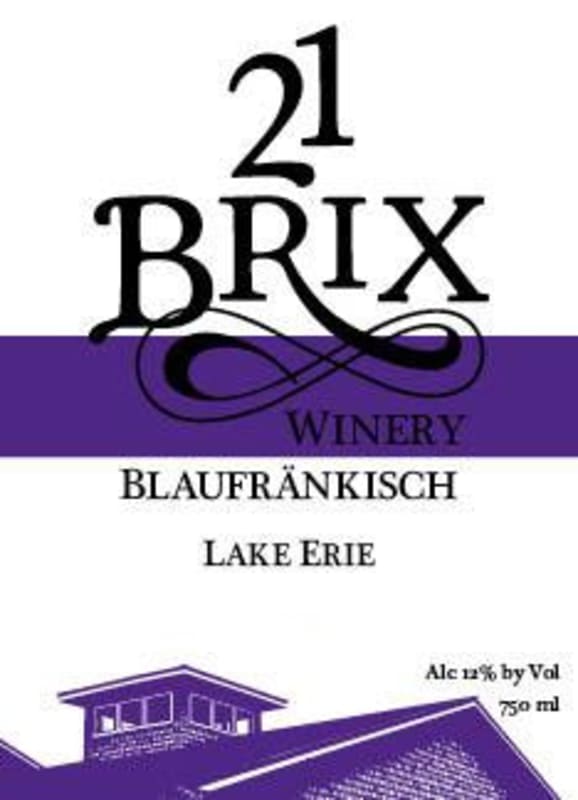

Winemaker Notes


Inky magenta with aromas of violets, herbs and spices, Blaufrankisch first appeared in Austria in the 18th century and today is the second most planted red variety in Austria after its own offspring, Zweigelt. Blaufrankisch thrives in the warmer Austrian zones and while most of the global acreage remains here, the variety has travelled a bit outside of its homeland. Somm Secret—In pre-Medieval times grapes were divided into superior quality, those whose origins lay with the Franks, called “Frankisch,” and all others, which were deemed inferior. This well-revered grape took the name, blau (meaning blue or dark) plus, “Frankisch,” or Blaufrankisch.

Increasingly garnering widespread and well-deserved attention, New York ranks third in wine production in the United States (after California and Washington). Divided into six AVAs—the Finger Lakes, Lake Erie, Hudson River, Long Island, Champlain Valley of New York and the Niagara Escarpment, which crosses over into Michigan as well as Ontario, Canada—the state experiences varied climates, but in general summers are warm and humid while winters are very cold and can carry the risk of frost well into the growing season.
The Finger Lakes region has long been responsible for some of the country’s finest Riesling, and is gaining traction with elegant, light-bodied Pinot Noir and Cabernet Franc. Experimentation with cold-hardy European varieties is common, and recent years have seen the successful planting of grapes like Grüner Veltliner and Saperavi (from the Eastern European country of Georgia). Long Island, on the other hand, has a more maritime climate influenced by the Atlantic Ocean, and shares some viticultural characteristics with Bordeaux. Accordingly, the best wines here are made from Merlot and Cabernet Franc. The Niagara Escarpment is responsible for excellent ice wines, usually made from the hybrid variety, Vidal.