Pedro Ximénez 7 Items

You're no longer following this brand
You'll no longer receive alerts for new arrivals and brand updates
- All White Wine
- Chardonnay 3257
- Riesling 1502
- Sauvignon Blanc 1242
- Other White Blends 545
- Bordeaux White Blends 410
- Pinot Gris/Grigio 400
- Gruner Veltliner 271
- Rhône White Blends 189
- Albarino 185
- Other White Wine 165
- Garganega 131
- Vermentino 120
- Chenin Blanc 120
- Viognier 112
- Pinot Blanc 110
- Carricante 106
- Gewurztraminer 76
- Muscat 61
- Torrontes 59
- Semillon 59
- Cortese 59
- Godello 56
- Verdejo 52
- Fiano 50
- Arneis 46
- Greco 43
- Friulano 43
- Grillo 41
- Pecorino 31
- Viura 30
- Verdicchio 30
- Trebbiano 29
- Falanghina 27
- Furmint 21
- Marsanne 19
- Grenache Blanc 18
- Roussanne 16
- Vernaccia 13
- Aligote 12
- Ribolla Gialla 11
- Melon de Bourgogne 11
- Silvaner 10
- Assyrtiko 10
- Inzolia 9
- Picpoul 9
- Kerner 8
- Pedro Ximénez clear Wine Type filter
- Malvasia 7
- Muller Thurgau 6
- White Pinot Noir 6
- Grechetto 5
- Scheurebe 5
- Loureiro 3
- Xarel-lo 2
- Rkatsiteli 2
- Palomino 2
- Arinto 1
- Airen 1
- Savagnin 1
- Nascetta 1
- Moschofilero 1
- Verdelho 1
-
Product Types Any
-
Gift Type Any
-
Occasion Any
-
Curated Set Contents Any
-
Spirit Type Any
-
Wine Type Pedro Ximénez
-
Region Any
-
Availability Include Out of Stock
-
Size & Type Any
-
Fine Wine Any
-
Vintage Any
-
Reviewed By James Suckling
-
Sort By Relevancy
-
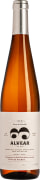 Alvear Tres Miradas Vino de Pueblo 2022Montilla-Moriles, Spain ● Pedro Ximénez
-
Wine
Enthusiast -
James
Suckling
Ships TomorrowLimit 120 per customerSold in increments of 0 -
Wine
-
 Toro Albala Electrico Fino en Rama (375ML half-bottle)Montilla-Moriles, Spain ● Pedro Ximénez
-
James
Suckling
Ships TomorrowLimit 120 per customerSold in increments of 0 -
James
-
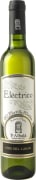 Toro Albala Electrico Fino del Lagar (500ML)Montilla-Moriles, Spain ● Pedro Ximénez
-
James
Suckling
3.0 Good (10)Ships TomorrowLimit 120 per customerSold in increments of 0 -
James
-
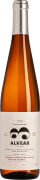 Alvear Tres Miradas Vino de Pueblo 2021Montilla-Moriles, Spain ● Pedro Ximénez
-
James
Suckling - Vinous
-
Wine
Enthusiast
3.6 Very Good (17)Ships TomorrowLimit 120 per customerSold in increments of 0 -
James
-
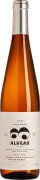
 Alvear Tres Miradas Vino de Pueblo 2020Montilla-Moriles, Spain ● Pedro Ximénez
-
James
Suckling -
Robert
Parker
2.8 Good (11)Ships TomorrowLimit 120 per customerSold in increments of 0 -
James
-
 Ships TomorrowLimit 120 per customerSold in increments of 0
 -
 Ships TomorrowLimit 120 per customerSold in increments of 0
Browse by Category
Red White Sparkling Rosé Spirits GiftsLearn about Pedro Ximénez — taste profile, popular regions and more …
The grape with the coolest name and some of the greatest fame in the wine-growing world, Pedro Ximénez is responsible for a wide range of wne styles from sweet sherries in Spain, botrytized dessert wine in Australia and Pisco production in Chile.
Pedro Ximénez is a white variety grown in Andalucia (south-central Spain). Primarily used in the production of sweet, late harvest Sherry, it can also make a crisp and dry white wine in southern Spain. New South Wales, Australia produces Pedro Ximénez and Palomino (the other major sherry grape) in botrytized form to produce the rich and golden sweet wine called McWilliam’s Pedro Sauterne. This is also Chile’s grape for Pisco production and makes a lovely varietal dry white from the Elqui Valley.
Tasting Notes for Pedro Ximénez
Pedro Ximénex makes a dry white wine with fresh fennel, apple and mineral qualities. When produced in a sherry style, it is sweet and rich in notes of figs, dates, coffee, and honey.
Perfect Food Pairings for Pedro Ximénez
As a dry white wine, Pedro Ximénez goes spendidly with meals that call for fresh fish like ceviche and sushi; when produced in its sweet sherry style, pair the dessert wine with fruit cake and chocolate creme brûlée. Intriguingly, both styles pair well with various ages of manchego.
Sommelier Secrets for Pedro Ximénez
The origin by which the grape takes its name Pedro Ximénez, aka PX, was once mistakenly attributed to the legend of a German soldier traveling through the Iberian Peninsula. While DNA evidence proves this legend incorrect and casts the grape’s introduction to the region to an Arabian source, the name’s origin is still unclear.