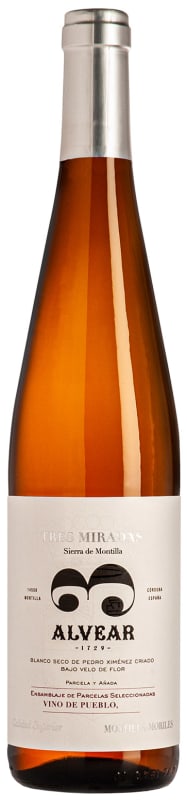


Winemaker Notes
A pale yellow in color with greenish tones. Aroma of yeast, characteristic of the variety, alongside fennel and anise. Broad and balanced on the palate, with well-integrated acidity and fruity notes.
A versatile wine, perfect with sashimi, seafood, tempura, and salads.
Professional Ratings
-
Wine Enthusiast
Lemon in color, this wine has a bright nose of chalk-dusted golden apple, quince and orange blossom. The palate is dry and kicks off with a hint of lemon-zested tartness that runs throughout the length of the taste and refreshes the palate. Serve with grilled calamari, fried clams and charcuterie.
-
James Suckling
Warm stones, cooked lemons, green apples and touches of sourdough bread and sour cream on the nose. Quite acidic and bright, but at the same time this delivers good, mid-palate creaminess to the mouthfeel. Macadamia nuts in the intricate finish.




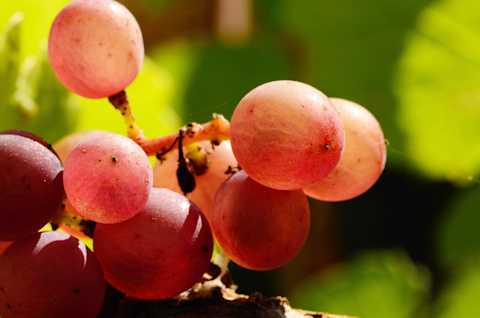
The grape with the coolest name and some of the greatest fame in the wine-growing world, Pedro Ximénez is responsible for a handful of radically different wine styles. A white variety grown in Andalucia, Spain, it is primarily used in the production of sweet, late harvest Sherry as well as for crisp, dry whites. Somm Secret—It is also grown in New South Wales, Australia to produce the rich and golden McWilliam’s Pedro Sauterne and in Chile for Pisco production as well as a lovely varietal dry white from the Elqui Valley.

Montilla-Moriles is a DO wine zone in Andalucia, in southern Spain, just south of Córdoba city but inland from the coast. Historically the wines of Montilla-Moriles made their way into the sherries made in Jerez. But once it was awarded DO status in 1945, Montilla-Moriles began to establish its own identity. The chalky and sandy soils combined with extremely hot temperatures are best to produce Pedro Ximénez, which accounts for nearly three quarters of the region’s production, some of which is still legally sold to Jerez and Málaga producers. The unique conditions of Montilla-Moriles allow for Pedro Ximénez to be bottled also in the Vinos Dulces Naturales (naturally sweet) style, a non-fortified style for which the region is recognized.
Muscat and Lairén are also produced for blending. Palomino is not suited to the extreme conditions of the area.
The basic types of Montilla-Moriles DO wines include young fruity wines, aged (crianza) wines, and generosos, which are aged in a solera system similar to those in Jerez. The resulting styles of generosos, simply known as, Montilla, while similar to sherry, perhaps display a bit less finesse given they are aged away from the cooling effects of the Atlantic.