Swirling exposes wine to air, which lets brief off-odors (such as matchstick-like sulfur) blow off and releases the aroma compounds you want to smell. Because smell may account for as much as 80% of our taste impressions, a good swirl changes how a wine tastes.
At a glance
Swirling aerates the wine in your glass.
It helps brief off-odors blow off and releases pleasant aromas.
Use a sizable glass that tapers toward the rim, and pour only a small to moderate amount.
New to it? Swirl with the glass resting on the table.
Swirl red, white and rosé, but not sparkling wine.
1. Swirling Blows Off Off-Odors
Is swirling mere pretense? No. An artfully swirled glass looks good, but there are sensible reasons for the technique, and it does not take long to learn.
When first opened and poured, some wines show undesirable odors that linger briefly. These can be byproducts of the common use of sulfur in winemaking, such as sulfur dioxide (matchstick) or hydrogen sulfide (rotten eggs). Or volatile acidity may show, with an aroma like nail polish remover.
These sound and smell awful, but in many cases, and in the absence of a serious flaw, a vigorous swirl lets these scents blow off quickly.
2. Swirling Releases Aromas
Once the things you don't want to smell are gone, swirling helps with the good stuff. It is a simple way to aerate wine once it is in your glass. (Aerating a whole bottle in a decanter is covered in our guide to when to use a decanter.)
There are hundreds of compounds in wine, many of them esters, terpenes and others that give the aromas and flavors we enjoy. Swirling increases the volatility of these molecules, the ease with which they evaporate, so more of those pleasant aromas rise from the glass. Don't be timid about smelling your wine: put your nose right in the glass and take a few good sniffs.
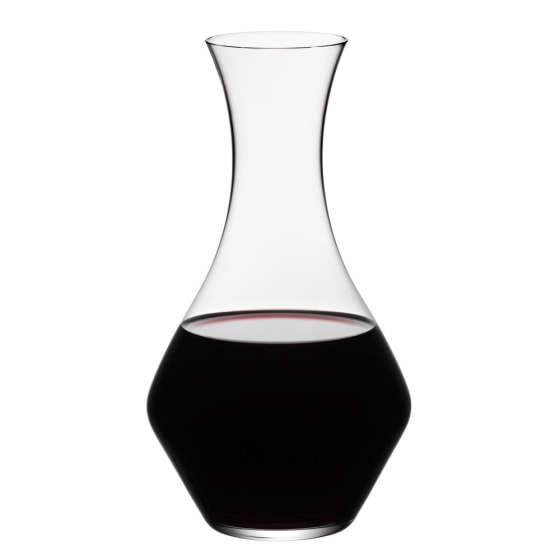
Swirling aerates the wine in your glass; a decanter does the same for the whole bottle before you pour.
3. Why Smell Matters
Smell is enormously important in how we taste. We have two centers of olfaction, one in the nose and one at the back of the mouth, and the millions of nerve cells there do a lot of work. Researchers say our sense of smell may account for as much as 80% of our taste impressions.
The tongue matters too: it lets us judge texture and the primary tastes of sweet, sour, salty, bitter and savory. But smell rules the day, which is why a good swirl changes how a wine tastes.
4. How to Swirl
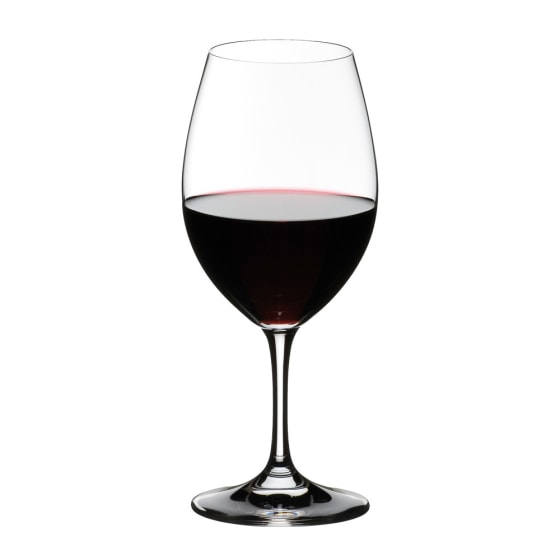
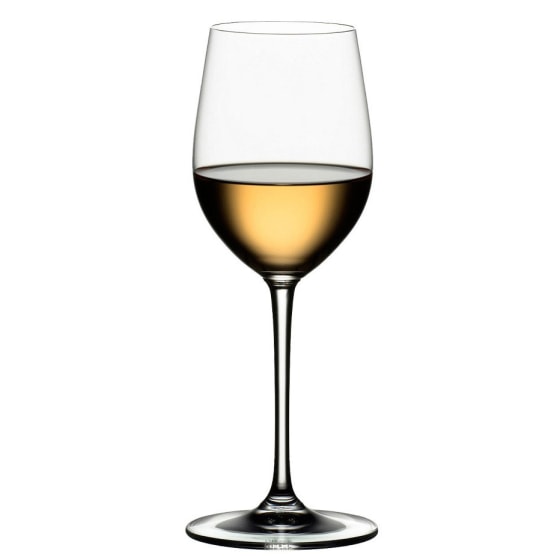
Use the right glass.The type of glass matters. For most wines, choose a sizable glass that tapers at least somewhat toward the rim, to help concentrate the aromas.
Don't fill it. A small to moderate pour lets you swirl vigorously without spilling.
Start on the table. If you are new to swirling, leave the glass on the bar, table or counter, hold the stem and move the glass in small circles; the wine follows. Once the motion feels natural, swirling in midair gets much easier.
Watch the legs. Swirling is also your chance to look at the legs, the streams of wine that glide down the inside of the glass.
Swirl most wines.Red, white and rose should all be swirled. The exception is sparkling wine, because swirling makes the bubbles fade faster.
To aerate it. Swirling lets brief off-odors, such as matchstick-like sulfur, blow off, and it increases the release of the aroma and flavor compounds you want to smell.
How much wine should you pour to swirl?
A small to moderate pour, so you can swirl vigorously without spilling.
Does the glass matter for swirling?
Yes. For most wines use a sizable glass that tapers toward the rim to concentrate the aromas.
Should you swirl sparkling wine?
No. Red, white and rosé should all be swirled, but swirling makes the bubbles in sparkling wine fade faster.