Decant a wine for one of two reasons: to separate an older red from its sediment, or to aerate a young, tannic wine so its aromas open up. Young Cabernet Sauvignon, Petite Sirah and Nebbiolo benefit from 30 to 60 minutes in a decanter; old, delicate reds such as aged Pinot Noir, Chianti Classico and Rioja should be decanted gently and served soon.
1. Young, Tannic Reds Need 30 to 60 Minutes of Air
Young, tannic reds such as Cabernet Sauvignon, Petite Sirah and Nebbiolo benefit most from decanting.
Wine
Decant?
Why
How long
Young, tannic reds (Cabernet Sauvignon, Petite Sirah, Nebbiolo)
2. Older Reds Are Decanted to Leave Sediment Behind
Removing sediment is the traditional reason to decant. Sediment forms when phenolic compounds such as color pigments and tannins join together and fall out of the wine. It is rare in white wines, which have fewer of these compounds and are usually fined or filtered, and uncommon in young reds. Hold a dark, aged red wine up to a light and you will likely see a smudge of sediment on the side it rested on. Sediment is not harmful, just gritty.
How to decant an older wine
If the bottle has been stored on its side, stand it upright a day or two ahead so the sediment sinks to the bottom.
Open the bottle carefully, without tipping it.
Pour slowly into the decanter with a light behind or beneath the bottle's neck; sommeliers traditionally use a candle, but any light works.
When the bottle is about 75% empty, slow the pour even more, since the sediment will soon appear.
Stop just before the sediment reaches the neck, then serve.
3. Letting Wine Breathe Is Aeration, Not Decanting
Using a decanter to expose wine to air is technically aeration rather than decanting, and any suitable vessel, such as a pitcher or carafe, does the job. Air contact starts as you pour and continues as the wine rests. As the wine's volatile compounds, many of which carry its aromas and flavors, meet oxygen, they become more noticeable, which is why aeration is called "opening up" a wine. Just pulling the cork and letting the bottle stand does little, because so little wine touches the air.
4. A Wide Base Makes the Best Decanter
For aeration, choose a decanter with a wide base so plenty of wine touches the air. Decanters come in many styles, some quite elaborate, and they look great on the table. Shop decanters.
Decanting Questions, Answered
Do I need to decant wine?
You need to decant only an older red with sediment or a young, tannic red that tastes closed; most everyday wines are fine poured straight from the bottle, though many reds improve with some air.
How long should red wine breathe?
Most red wines benefit from about 30 minutes of air, and young, tannic reds such as Cabernet Sauvignon, Petite Sirah and Nebbiolo from 30 to 60 minutes or more; old, delicate reds should be served soon after decanting.
Should you decant white wine?
Full-bodied whites such as Chardonnay, Semillon, Viognier, Marsanne and Roussanne can benefit from brief aeration, while light, crisp whites rarely need it.
What is the difference between decanting and aerating?
Decanting means pouring wine off its sediment, while aerating means exposing it to air so its aromas open up; a decanter can do both.

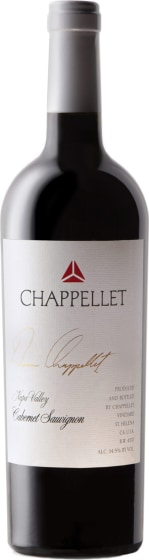 Napa Valley, California ● Cabernet Sauvignon
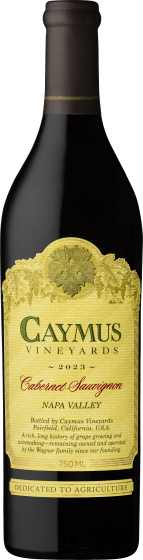 Napa Valley, California ● Cabernet SauvignonSold Out - was $85.00