Getting into wine asks far less of you than you might fear. The drink itself is simple, but the vocabulary around it makes it feel like a members-only club. You can start choosing wine with confidence today, and this guide gives you the few words and ideas you actually need.
Wine at a Glance
Start with one word: varietal. A varietal is a wine made mostly from a single grape, and that grape is the biggest clue to how the wine will taste. Underneath the labels and the fancy names, wine is just fermented grape juice, and the whole category sorts into a small handful of types you can learn in a minute.
What Wine Actually Is
Wine happens when yeast eats the natural sugar in grape juice and turns it into alcohol. That process is called fermentation, and it is the same basic idea whether the wine ends up red, white, or bubbly. The grape you use, the place it grew, and the choices made in the cellar all shift the final flavor, which is why two bottles from the same grape can taste different.
One small distinction clears up a lot of confusion. A "variety" is the type of grape itself, such as Chardonnay or Merlot. A "varietal" is the finished wine made mostly from that grape, so a bottle labeled Chardonnay is a varietal wine.
The Main Types You'll See
Most wine you meet falls into five groups. Here is the quick map so the shelves stop looking like a wall of strangers.
Red - made from dark grapes fermented with their skins, which adds color and a firmer feel
White - made from green or yellow grapes, usually lighter and crisper than red
Rosé - pink wine made from red grapes with only brief skin contact, fresh and easygoing
Sparkling - wine with bubbles, from crisp and dry to gently sweet
Dessert - richer, sweeter wines usually served in small pours after a meal
How Wine Tastes (And Why It Varies)
Sweetness is the first thing most new drinkers notice, and it is a perfectly good place to begin. A wine can be bone dry or lightly sweet, and neither one is a beginner mistake. The four words below cover almost everything you need to describe what is in your glass.
Dry vs. Sweet - dry means little to no sugar you can taste, while sweet means noticeable sugar
Tannin - the drying, slightly grippy feeling in some reds, similar to strong black tea
Acidity - the tart, mouth-watering zing that makes wine feel lively and food-friendly
Body - how light or heavy the wine feels in your mouth, from light like rosé to fuller reds
"Dry" does not mean strong or harsh, and it has nothing to do with how a wine smells. A dry wine is simply one where the sugar has been fermented into alcohol, so very little sweetness is left. Plenty of dry wines still taste fruity, which is where the confusion starts.
Acidity is easy to feel once you know the cue: it is that puckery, mouth-watering sensation, like biting into a green apple, and it is why a crisp white wakes up a plate of food. Body is just weight. A light wine feels closer to water, while a fuller wine feels rounder and more coating, the way whole milk feels heavier than skim.
Beginner-Friendly Wines to Try First
The easiest wines to love early on share two traits: they are soft in feel and clear in flavor. The three groups below give you a friendly starting lineup, whether you lean toward whites, reds, or something with a little sweetness.
1. Easy-Drinking Whites
Crisp whites are the gentlest on-ramp because they carry no tannin and plenty of refreshing acidity. Pinot Grigio, also sold under its French name Pinot Gris, is light and clean with a citrus-and-orchard-fruit character that goes down easily on its own. It rarely feels heavy, so it suits a warm afternoon or a casual dinner without much fuss.
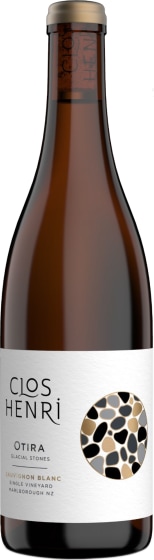
Sauvignon Blanc is the other easy white to know. It brings brighter, zippier acidity and a fresh, grassy or citrusy snap that makes it feel especially lively. Both wines are low in tannin and quick to enjoy, which is exactly what makes them approachable first pours.
If reds have felt harsh before, the culprit is usually tannin, and the fix is to start with the grapes that carry the least of it. Pinot Noir is the classic soft red: light-bodied, low in tannin, and gentle enough to sip without food. Merlot is the other reliable pick, a touch fuller but still smooth and round, with none of the bite that scares off new drinkers.
For a deeper look at why some reds feel softer, see our low tannin red wine guide and our roundup of mild red wines for beginners. Both go further on the smooth, low-tannin styles, so you can pick your next bottle without the guesswork.
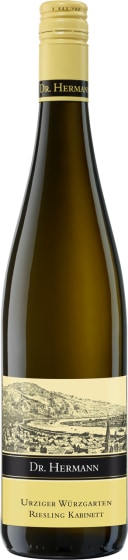
If you already know you like a little sweetness or a few bubbles, lean into it. Riesling and Moscato both range from off-dry to sweet, and off-dry simply means slightly sweet, not dessert-level sugar. Riesling pairs its gentle sweetness with bright acidity, so it tastes fresh and clean instead of syrupy, while Moscato is softer and more openly fruity.
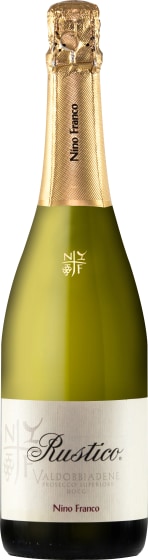
Bubbles are their own kind of fun and just as beginner-friendly. Prosecco is a light, easy sparkling wine with a touch of fruit, and sparkling rosé adds a pink, berry-tinged twist. Both feel festive without asking anything of you beyond a cold glass.
A single new oak barrel costs about $1,200 and holds only around 300 bottles, which means the barrel alone adds a few dollars to every bottle aged in it. That one fact explains a lot about why prices climb. Spending more does not guarantee you will like a wine more, but it usually buys better fruit, more careful handling, and a smoother feel. The three bands below show what your money tends to do at each level.
1. Everyday Bottles (Under $15)
Plenty of well-made wine lives under $15, and it is the right place to start building your taste. Wines at this level usually come from broad regional blends, where grapes are gathered from many vineyards and yields run higher, around 4 to 6 tons of grapes per acre. More fruit per acre keeps costs down and makes these bottles friendly and easy to drink. They may not be complex, but a good everyday bottle is clean, fruity, and dependable.
Spend a little more and the extra money shows up in care. At this tier, producers often hand-sort the grapes at harvest, tossing out 5 to 15 percent of the fruit so only the best berries make the wine. Some of these bottles also see a little oak aging, which means the wine rests in wooden barrels that add soft notes of vanilla and spice. The result is usually a rounder, more polished wine than an everyday bottle.
This is the tier to reach for when the bottle is the point, like a gift or a celebration. Wines here often come from single vineyards, which yield far less fruit, closer to 1 to 2 tons per acre, so the flavor is more concentrated. Many also age in new oak barrels, and with each barrel costing around $1,200 and holding just 300 bottles, that polish adds real cost. What you get is a wine with more depth and a finer, smoother feel that suits a memorable evening.
St. Estephe, Bordeaux, France ● Bordeaux Red Blends
97 Decanter
93 Jeb Dunnuck
93 James Suckling
92 Robert Parker
92 Wine Enthusiast
91 Wine Spectator
Sold Out - was $39.99
Wine at the Table
A few simple habits make any bottle taste better, and none of them require special gear. Temperature matters most: a wine served too warm or too cold hides its best flavors. Here are easy targets to aim for.
Whites - serve chilled at 45–50°F, about an hour in the fridge
Reds - serve at 60–65°F, slightly cooler than most rooms, so 20 minutes in the fridge helps
Sparkling - serve cold at 40–45°F to keep the bubbles crisp
A standard glass is fine to start, though a bigger bowl gives red wine room to open up. When you pour, try this simple four-step approach to taste like you mean it.
Look - tilt the glass and notice the color and how deep it is
Swirl - gently spin the wine to release its aromas
Smell - take a short sniff and see what fruits or scents you catch
Sip - let the wine cover your whole mouth before you swallow
Food pairing does not need rules you have to memorize. A few easy guidelines cover most meals, and you can bend them freely once you find what you like. Sparkling wine, by the way, is a flexible partner for salty and fried foods.
Match weight - pair light wines with light dishes and fuller wines with heartier plates
Use acidity - crisp, high-acid whites cut through creamy or rich food
Mind the tannin - firmer reds pair well with red meat, which softens their grip
When in doubt - a fresh white or a light red flatters almost anything
Wine Questions, Answered
Is Sweet or Dry Wine Better for Beginners?
Neither is better, and starting with sweet is completely fine. Many people find off-dry and sweet wines easier to enjoy at first because the sugar softens any sharp edges. As your taste grows, you may drift toward drier styles, or you may not. The best wine for a beginner is the one you actually want to finish.
Why Do Red Wines Taste Bitter to Me, and Which Are Smoothest?
That drying, slightly bitter feeling comes from tannin, the natural compound in grape skins that gives red wine its structure. Bigger, bolder reds carry more tannin, which can feel harsh if you are new to it. Pinot Noir and Merlot are among the smoothest, lowest-tannin reds, so they make gentle starting points. Serving reds a little cooler and sipping alongside food also softens that grip.
How Much Should a Beginner Spend on a Bottle?
You can find genuinely good wine for under $15, so there is no need to spend big to drink well. Bottles in the $15 to $30 range often add a bit more polish thanks to better fruit selection and light oak aging. Save the $30 to $50 range for gifts or celebrations, when the bottle itself is part of the occasion. Start low, notice what you like, and spend up only when you have a reason to.
Which Wines Should I Try First?
Begin with soft, low-tannin styles that are easy to enjoy on their own. Crisp whites like Pinot Grigio and Sauvignon Blanc are clean and refreshing, while Pinot Noir and Merlot are the friendliest reds. If you lean toward sweetness or bubbles, Riesling, Moscato, and Prosecco are welcoming options. Pick the group that already sounds good to you and go from there.
Do I Need Special Glasses or Equipment to Start?
No. A basic wine glass and a corkscrew are all you need to begin. A larger bowl-shaped glass can help red wine show more aroma, but it is a nice-to-have, not a requirement. Focus on the wine in the glass first, and let any gear come later if you find you want it.
Where to Start with Wine
You now have the short version of what took wine drinkers years to sort out. Start with a style you already suspect you will like, whether that is a crisp white, a soft red, or something with a little sweetness. A good first bottle can cost under $15, and choosing an off-dry wine is a perfectly respectable on-ramp, not a shortcut.
The choices get easier when someone helps you narrow them down. Wine.com carries more than 16,000 wines, which is thrilling once you know your footing and overwhelming before you do. Our Wine Quiz points you toward styles that fit your taste in just a few clicks, so you are not left guessing on your own.
When you are ready to put a bottle in your glass, you can Browse Wines for Beginners at Wine.com and start with any style from this guide. Buy one you are curious about and pour it this week. That first bottle teaches you more than any amount of reading.