Mild red wine is red wine with soft tannins, a lighter body, and a fruit-forward flavor profile. Tannins are the compound that creates a drying, gripping sensation in your mouth, similar to over-steeped tea. When those tannins are low, the wine feels smooth and easy to drink. Mild reds span a wide range of grapes and regions, from silky French Pinot Noir to juicy Spanish Garnacha, and they are the most welcoming entry point for anyone curious about red wine.
Why Some Red Wines Are Easier To Drink Than Others
Three factors determine whether a red wine will feel mild or bold on your palate. The grape variety matters most. Thin-skinned grapes like Pinot Noir and Gamay naturally contain fewer tannins than thick-skinned varieties like Cabernet Sauvignon. The result is a wine that feels lighter and more refreshing rather than dense and gripping.
Climate plays a supporting role. Grapes grown in cooler regions tend to produce wines with brighter acidity and less alcohol, both of which contribute to a milder impression. A Pinot Noir from Oregon's Willamette Valley will generally taste lighter than one from a warm California appellation.
Winemaking decisions also shape the final texture. When a winemaker limits the time grape skins soak in the juice, fewer tannins end up in the finished wine. Oak aging adds another layer of complexity. American oak barrels cost approximately $400 each, while French oak runs $1,200 or more per barrel. Wines aged in lighter oak, or no oak at all, tend to taste fresher and more fruit-driven. That is one reason many affordable mild reds deliver exactly the easy-drinking style beginners want.
What Mild Red Wine Tastes Like
Mild red wines share a common flavor territory built around red fruit, soft texture, and gentle finish. Think cherry, strawberry, raspberry, and sometimes a hint of light spice. The tannins stay in the background, so the wine feels round and smooth instead of chalky or astringent.
Bold reds, by contrast, lean into dark fruit like blackberry and plum, heavier tannins, and higher alcohol. They can feel thick and drying on the palate. If you have tried a big Cabernet Sauvignon and found it too intense, that was the tannin and body at work. Mild reds sit at the opposite end of that spectrum. They are the red wines most likely to change the mind of someone who thinks red wine is not for them.
6 Mild Red Wines Every Beginner Should Try
These six grape varieties consistently produce wines that feel approachable, fruit-forward, and low in tannin. Each one offers a slightly different flavor experience, so trying two or three will help you discover what you enjoy most.
1. Pinot Noir
Pinot Noir is the lightest-bodied mainstream red wine, and it is the grape most often recommended for first-time red wine drinkers. Its thin skin means naturally low tannins and a silky, almost delicate texture. Expect flavors of cherry, strawberry, and cranberry, with a hint of earth or mushroom in cooler-climate versions.
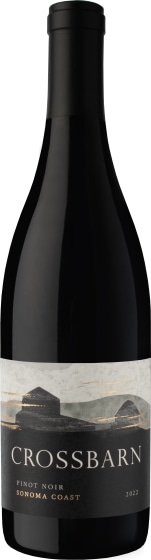
Oregon's Willamette Valley and France's Burgundy region produce the most classically mild styles. California Pinot Noir tends to be a touch richer, with riper fruit and slightly more body. Lemelson Vineyards, based in the Willamette Valley, is a strong example of the Oregon style: bright, balanced, and built for easy drinking. The Crossbarn by Paul Hobbs Sonoma Coast Pinot Noir 2022 shows what California can do with the grape at a moderate price, delivering ripe cherry and plum without crossing into heaviness.
Gamay is Beaujolais's signature grape, and it produces some of the most refreshing red wines in the world. The tannins are almost nonexistent. The fruit flavor hits immediately: black cherry, raspberry, and a rush of violet and spice. You can even serve Gamay slightly chilled, which makes it a great option for warm weather.
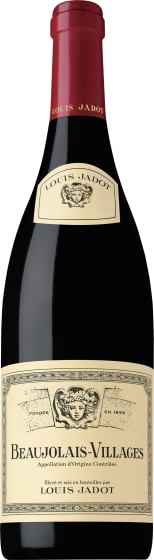
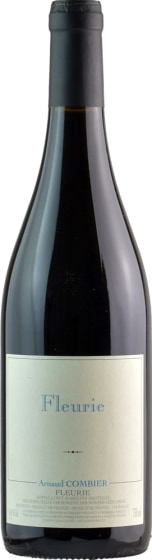
Most Gamay comes from the Beaujolais region in central France. Bottles labeled Beaujolais-Villages offer everyday drinking at a friendly price. For a step up in complexity, look for Cru Beaujolais villages like Fleurie or Morgon. Louis Jadot, one of the most recognized producers in the region, makes a reliable Beaujolais-Villages that is easy to find and consistently smooth. The Arnaud Combier Fleurie 2023 shows the more polished side of Gamay, with layers of cherry and floral notes.
Merlot has a reputation problem it does not deserve. A single dismissive line in a movie dented its popularity, but this grape remains one of the most approachable reds available. It delivers soft tannins, a plush texture, and generous plum and cherry flavors.
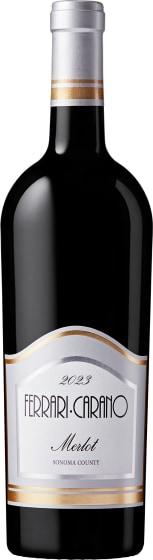
The key for beginners is to look for fruit-forward styles from warmer regions. Washington State, California, and Chile all produce Merlots that emphasize ripe fruit and velvety mouthfeel over structure and grip. In France, Right Bank Bordeaux from Pomerol and Saint-Émilion inverts the Left Bank logic, leading with Merlot rather than Cabernet Sauvignon, though those bottles can be more complex and tannic. For a straightforward introduction, Ancient Peaks Paso Robles Merlot 2022 offers plum, dark cherry, and a smooth finish at a moderate price. Ferrari-Carano Merlot 2022 from Sonoma County adds a touch more depth while staying firmly in the mild category.
Santa Margarita Ranch, Paso Robles, Central Coast, California ● Merlot
94 Tasting Panel
90 Vinous
$24
$19.97
4. Grenache (Garnacha)
Grenache goes by Garnacha in Spain, Cannonau in Sardinia, and Grenache in France and the United States. Under any name, it produces medium-bodied reds with warm berry fruit, gentle tannins, and a hint of baking spice. The alcohol can run slightly higher than Pinot Noir, but the soft tannin structure keeps it feeling approachable.
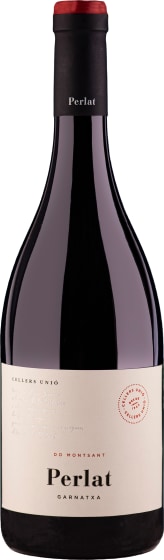
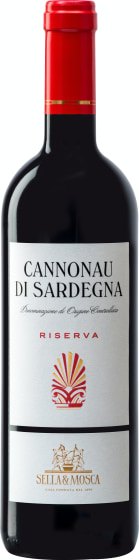
Spain's Montsant and Priorat regions have turned Garnacha into something worth paying attention to in recent years. In southern France, Grenache forms the backbone of many Côtes du Rhône blends. Perlat Montsant Garnatxa 2023 captures the pure, uplifting side of Spanish Garnacha. Sella & Mosca Cannonau di Sardegna Riserva 2022, from Italy's island of Sardinia, shows how the same grape produces a rounder, more savory expression in a different climate.
Tempranillo is Spain's most important red grape, and in its younger forms it makes a wonderfully approachable wine. The key word on the label is aging classification. Joven (young) and Crianza (lightly aged) styles emphasize fresh red fruit, moderate tannins, and a clean finish. Reserva and Gran Reserva bottles spend more time in oak and develop bolder, more structured profiles.
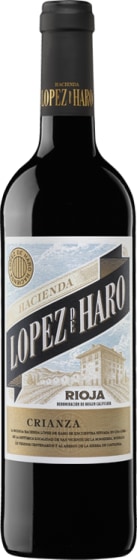
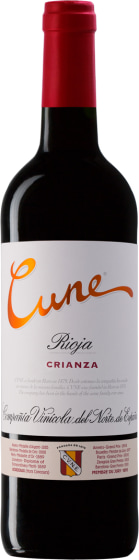
Rioja and Ribera del Duero are the two most important regions for Tempranillo. For beginners, Rioja Crianza is the sweet spot: enough complexity to be interesting, but soft enough to enjoy without overthinking it. Hacienda López de Haro Crianza 2022 and CVNE Crianza 2021 are both classic Rioja producers offering easy-drinking Tempranillo at an accessible price.
A red blend is exactly what it sounds like: a wine made from two or more grape varieties combined to create a final product. Winemakers blend to achieve a specific flavor profile, often one that emphasizes smoothness, balance, and broad appeal. For beginners, red blends are a low-risk choice because the blending process itself is designed to round off any sharp edges.
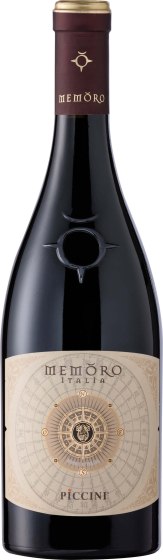
When you see "Red Blend" on a label without a specific regional designation, the winemaker had freedom to combine whatever grapes produced the most balanced result. Red blends from Portugal, Italy, and California are all strong starting points. Silk & Spice Red Blend 2022 delivers an easy, fruit-forward style from Portugal at a price that invites casual experimentation. Piccini Memoro Rosso, an Italian blend with nearly 600 customer reviews, offers a smooth, crowd-pleasing profile that has earned a following for good reason.
Price affects what you find in the glass, but more expensive does not always mean better for a beginner. The best bottle at any price is one you enjoy drinking. Here is what each tier typically delivers.
1. Under $15: Everyday Sippers
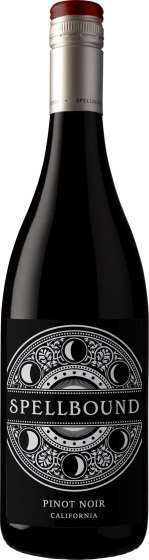
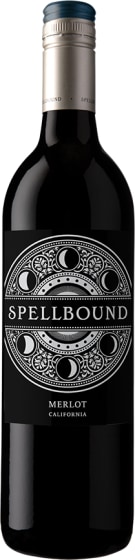
Wines at this price are simple, fruit-forward, and made for drinking tonight. The grapes come from larger vineyards with high production volumes, which keeps costs down. Oak aging is minimal or absent, so the fruit stays front and center. These bottles are perfect for figuring out which grapes you like without a big financial commitment. Spellbound Pinot Noir 2023 is a California Pinot with cherry and red berry flavor that consistently delivers at its price point. Spellbound Merlot 2023 is another reliable choice for someone exploring soft, plummy reds.
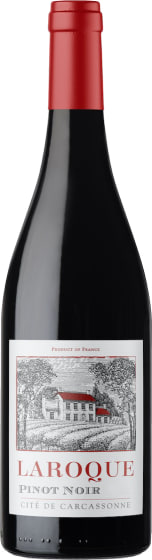
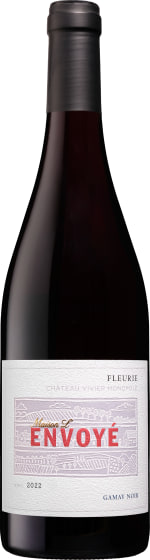
This is where regional character starts to show. The grapes often come from more specific areas, and the winemaker may use some oak aging to add structure and depth. You will notice more layered flavors: fruit plus spice, earth, or mineral notes. For someone who has tried a few mild reds and wants to explore further, this tier offers the most reward per dollar. Domaine Laroque Cité de Carcassonne Pinot Noir 2023 brings French winemaking elegance at a price that is still very accessible. Maison L'Envoyé Fleurie Château Vivier Monopole 2022, a Cru Beaujolais from a single estate, delivers violet aromatics and juicy raspberry fruit that show what Fleurie does at its best.
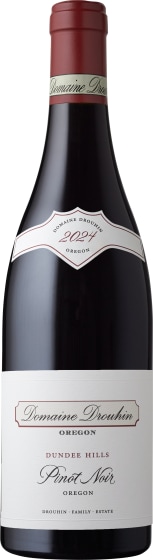
At this level, you are paying for smaller production, more careful grape selection, and often more time in barrel. A standard 225-liter barrel holds about 300 bottles, which gives you a sense of how barrel aging costs add up as production shrinks. These wines show more refinement and texture. Once you know which grapes and styles you prefer, this tier is worth exploring. Roserock by Drouhin Oregon Eola-Amity Hills Pinot Noir 2024 represents the elegance that Oregon Pinot Noir achieves at this level, with bright fruit and fine structure from one of the Willamette Valley's top producers. Domaine Drouhin Oregon Pinot Noir 2024, from the same family's estate in the Dundee Hills, offers a Burgundian perspective on Oregon fruit that rewards a slower sip.
Dundee Hills, Willamette Valley, Oregon ● Pinot Noir
96 James Suckling
93 Wine Spectator
$49.99
$49.99
Mild Reds At The Table
Mild red wines are flexible at the dinner table, and they do not require the kind of careful pairing that bolder reds demand. One general rule applies across all mild reds: serve them slightly below room temperature, around 60–65°F. A quick 15 minutes in the refrigerator before opening will bring most bottles into the right range.
Pinot Noir: pairs well with salmon, roasted mushrooms, and roast chicken
Gamay: a natural match for charcuterie boards, light pasta dishes, and soft cheeses
Merlot: complements roast chicken, pork tenderloin, and tomato-based sauces
Grenache: works with grilled vegetables, lamb burgers, and Mediterranean dishes
Tempranillo: pairs with tapas, cured meats, and manchego cheese
Red blends: versatile enough for pizza night, burgers, or a casual gathering with friends
The common thread is that mild reds pair best with moderately flavored foods. Save the big, bold reds for heavy steaks and braises. Mild reds want lighter company.
Mild Red Wine Questions, Answered
What Is The Smoothest Red Wine For A First-Time Drinker?
Pinot Noir and Gamay consistently top the list for first-time red wine drinkers. Both have very low tannins, which means they will not leave that drying, gripping sensation in your mouth. Pinot Noir offers cherry and strawberry flavors with a silky texture. Gamay is even lighter and more fruit-forward, almost juicy. If you want the gentlest possible introduction to red wine, start with either of these two grapes.
Is Merlot A Good Starter Red Wine?
Yes. Merlot is one of the most approachable red wines you can buy, especially bottles from California, Washington State, or Chile. These regions produce fruit-forward Merlots with soft tannins and a plush, velvety texture. The one caveat is that some Merlot-based wines from Bordeaux's Left Bank can be more tannic and structured. For your first bottle, look for a New World Merlot under $20.
Should I Start With Red Or White Wine?
Either one is a perfectly fine starting point. There is no correct order for exploring wine. If you tend to prefer sweeter or lighter flavors, you might feel more comfortable beginning with a crisp white like Sauvignon Blanc or a lightly sweet Riesling. If you are curious about reds, the mild styles covered in this guide are designed to be welcoming. Many people find that mild reds, especially Pinot Noir, serve as a natural bridge between white wine and the rest of the red wine world.
How Do I Know If A Red Wine Has Low Tannins?
Label cues can help. Words like "soft," "smooth," "fruit-forward," and "easy-drinking" are signals that the winemaker is aiming for a mild style. The grape variety itself is the strongest indicator: Pinot Noir, Gamay, and Grenache are reliably low in tannin, while Cabernet Sauvignon, Nebbiolo, and Tannat are high. Alcohol content offers another clue. Mild reds tend to have lower alcohol levels than bold reds. If the label shows a noticeably high number, the wine is more likely to taste full-bodied and intense.
Where To Start With Mild Red Wine
There is no wrong first red wine. Your personal taste is the only authority that matters, and the fact that you are exploring is the best starting move you can make. Whether you gravitate toward the bright cherry of Pinot Noir or the warm berry of Grenache, that preference is valid.
Try two or three different mild reds from the varieties in this guide. Open them on different nights, with different meals, and pay attention to what you enjoy. The range across these six grapes is wide enough that you will likely find at least one style you want to come back to.
Wine.com carries over 16,000 wines, including a deep selection of the mild, beginner-friendly reds covered here. Browse mild red wines at Wine.com and find the bottle that fits your palate.