Tannins are the compounds in red wine responsible for that dry, mouth-puckering sensation some drinkers find overwhelming. Low tannin red wines skip the grip and lean into bright fruit and smooth, easy-drinking texture instead.
Understanding Low Tannin Red Wine
Tannins are a group of naturally occurring compounds found in grape skins, seeds, and stems. When you take a sip of red wine and feel a drying, slightly bitter sensation across your tongue and gums, that is tannin at work. The effect is similar to biting into an unripe banana or drinking a cup of oversteeped black tea.
Red wines have more tannins than whites because of how they are made. During red winemaking, grape juice stays in contact with the skins for days or even weeks, a process called maceration. The longer the skins soak, the more tannin ends up in the finished wine. White and rosé wines skip most of this skin contact, which is why they feel lighter on the palate.
Grape variety plays a major role too. Thick-skinned grapes like Cabernet Sauvignon and Nebbiolo release more tannin during maceration, producing wines with firm, structured tannins that can feel intense. Thin-skinned grapes like Pinot Noir and Gamay release far less, resulting in softer, smoother wines that are easier to enjoy without extended aging.
Winemaking choices also matter. A winemaker who ferments in stainless steel tanks and limits skin contact will produce a wine with gentler tannins than one who uses extended maceration and new oak barrels. Oak itself contains tannins, so wines aged in new barrels pick up additional tannin structure along the way. When you see terms like "unoaked" or "stainless steel fermented" on a label, that is a reliable signal of a lower-tannin style.
Low Tannin Red Wine Varietals To Know
The grapes below are naturally low in tannins because of their thin skins and the winemaking traditions built around them. They range from featherweight and tart to round and fruit-forward, so there is a style here for every palate.
1. Pinot Noir
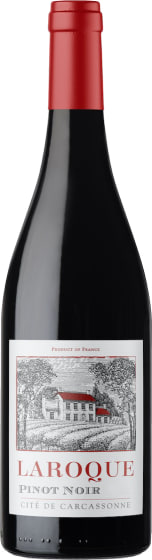
Pinot Noir is the most widely recognized low tannin red wine in the world, and for good reason. Its thin skins produce wines that are soft, fruity, and approachable from the moment the cork comes out. Expect flavors of cherry, raspberry, and a hint of earthy spice that shifts depending on where the grapes are grown.
Burgundy, in eastern France, is the grape's ancestral home and still produces some of its most complex expressions. Oregon's Willamette Valley has earned a reputation for elegant, medium-bodied Pinot Noirs with bright acidity and red fruit character. Pinot Noir from New Zealand's Central Otago and California's Sonoma Coast each bring their own spin, from ripe and generous to cool and restrained. For newcomers, Pinot Noir is one of the safest starting points in all of red wine because its gentle tannins rarely overwhelm.
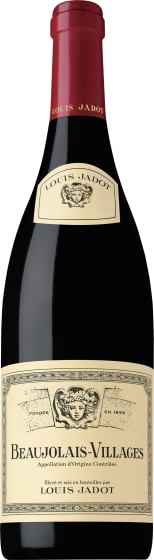
Gamay is the grape behind Beaujolais, one of France's most refreshing and food-friendly red wines. It sits at the lightest end of the low tannin spectrum, offering flavors of cranberry, wild strawberry, and violet with a snappy, lively finish.
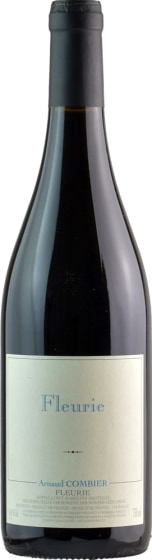
Much of Beaujolais is made using a technique called carbonic maceration. In this process, whole clusters of grapes are placed in a sealed tank filled with carbon dioxide. Fermentation begins inside each intact berry rather than through traditional crushing and soaking. The result is a wine with vivid fruit flavor, minimal tannin extraction, and a juicy, almost crunchy texture. Beaujolais-Villages and the ten named Cru villages (Morgon, Fleurie, and Moulin-à-Vent among them) offer more depth and complexity while staying firmly in low tannin territory.
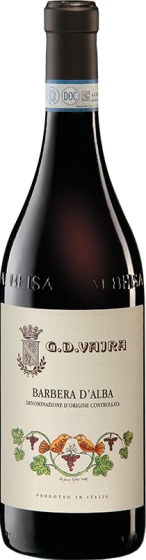
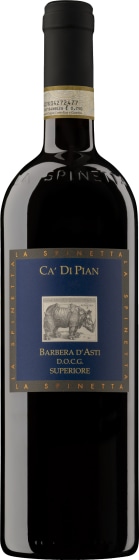
Barbera is Piedmont's most straightforwardly delicious red wine. While its neighbors Barolo and Barbaresco (made from the tannic Nebbiolo grape) demand years of patience, Barbera delivers bright red currant, plum, and a touch of herbal spice right out of the gate. Its naturally high acidity and low tannins make it one of Italy's most versatile food wines.
You will see it labeled as Barbera d'Asti or Barbera d'Alba, named for the two Piedmontese towns where it thrives. Piedmont's Italian red wines are some of the country's most rewarding. Premium producers in the region often hand-sort their harvest to remove underripe or damaged fruit, a step that eliminates roughly 5–15% of the crop but concentrates flavor in the remaining wine. The difference between an everyday Barbera under $20 and a carefully made bottling in the $30–$50 range is noticeable. Producers like G.D. Vajra and La Spinetta illustrate what that extra investment delivers: more concentrated fruit, longer finishes, and the kind of layered complexity that rewards a second glass.
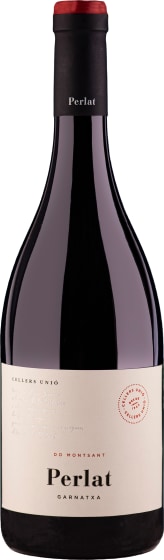
Grenache (known as Garnacha in Spain) is a warm-climate grape that produces round, generous wines with soft tannins and ripe fruit character. Think strawberry, raspberry jam, and a touch of candied spice. It is one of the most widely planted red grapes in the world, thriving across southern France, Spain, and Australia.
In France's Southern Rhône Valley, Grenache is the backbone of Châteauneuf-du-Pape and Côtes du Rhône blends, where it is often combined with Syrah and Mourvedre for added complexity. These Rhône blends are some of the wine world's great food wines. In Spain, old-vine Garnacha from Aragon and Priorat has become one of the wine world's great values, delivering concentrated flavor with velvety tannins at surprisingly approachable prices. Grenache's natural generosity makes it a crowd-pleasing choice for dinner parties and casual gatherings.
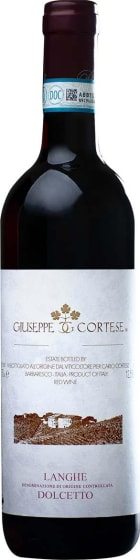
Dolcetto translates to "little sweet one," but the name is misleading. The wine is fully dry. The sweetness the name refers to is in the grape itself, which ripens easily in Piedmont's cooler hillside vineyards and produces wines with ripe blackberry, plum, and a subtle almond-like finish.
Dolcetto is the everyday red of Piedmont, the wine locals pour at weeknight dinners while their Barolo and Barbaresco cellar away. Its soft tannins and moderate acidity make it immediately enjoyable without decanting or aging. You will find it labeled as Dolcetto d'Alba, Dolcetto di Dogliani, or Dolcetto d'Asti. Most bottlings fall under $30, making Dolcetto one of the best values among low tannin Italian reds.
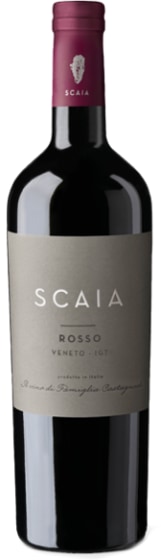
Valpolicella comes from the Veneto region in northeastern Italy and is built around the Corvina grape, often blended with Rondinella and Molinara. The wine is light to medium-bodied, with flavors of sour plum, cocoa, a hint of peppercorn, and sometimes a floral note of rose petal.
Classico-designated Valpolicella comes from the original hillside vineyards and tends to offer more concentration and character than the broader appellation wines. Exploring Valpolicella is worth the effort. Corvina's naturally thin skins keep tannins low, and many producers ferment in stainless steel or older oak to preserve the grape's bright, fruit-driven personality. For anyone who enjoys Pinot Noir and wants to explore Italian reds, Valpolicella is a natural next step.
Shopping for low tannin reds becomes much easier once you know what to look for. The varietal name is your strongest clue. Any bottle labeled Pinot Noir, Gamay, Barbera, Dolcetto, or Grenache is a safe bet for smooth, gentle tannins. Corvina-based wines from Valpolicella belong on that list too.
Tasting notes and back-label descriptions offer another layer of guidance. Look for phrases like "smooth," "soft tannins," "light-bodied," and "fruit-forward." These terms signal a wine made to drink easily without the firm grip of a Cabernet or Nebbiolo. Words like "structured," "firm," and "age-worthy" point in the opposite direction.
Winemaking style matters as well. Wines fermented in stainless steel or aged in older (neutral) oak barrels tend to be lower in tannins than those aged in new French or American oak. If a label or product description mentions "unoaked" or "stainless steel," you are likely looking at a gentler wine. When shopping on Wine.com, you can filter by body, varietal, and style descriptors to narrow your results quickly. That kind of filtering is one of the advantages of buying wine online, where you can sort by exactly what you want rather than scanning shelves and hoping for the best.
Low Tannin Red Wine at the Table
Low tannin reds are some of the most food-friendly wines you can pour. Their soft texture and bright acidity pair well with a wide range of dishes, including many foods that clash with bigger, more tannic wines.
Roast chicken or turkey: The classic pairing for Pinot Noir and Gamay, where the wine's acidity cuts through the richness of the meat without overpowering it
Grilled or roasted salmon: Low tannin reds like Pinot Noir and Valpolicella work beautifully with salmon, a pairing that surprises people who think red wine and fish cannot mix
Mushroom risotto or pasta: Earthy dishes bring out the savory side of Pinot Noir and Barbera
Charcuterie and cured meats: Dolcetto and Barbera are natural partners for salami, prosciutto, and pate
Pasta with tomato sauce: Barbera's high acidity mirrors the tang of tomato, making it a go-to for red-sauce pasta nights
Soft cheeses: Brie, Camembert, and fresh goat cheese complement the gentle fruit of Gamay and Grenache
Grilled vegetables: Grenache and Valpolicella pair well with dishes built around peppers, eggplant, and zucchini
A practical tip on serving temperature: many low tannin reds taste their best with a slight chill, around 55–60 degrees Fahrenheit. Fifteen minutes in the refrigerator before pouring can sharpen the fruit and keep the wine feeling lively.
Low Tannin Red Wine Questions, Answered
What Are Tannins in Wine?
Tannins are natural compounds called polyphenols that come from grape skins, seeds, and stems. In red wine, tannins create that dry, slightly bitter sensation you feel across your tongue and gums after a sip. They are not harmful, and they actually help wine age well over time. Wines made from thick-skinned grapes with extended skin contact tend to have the most tannins, while thin-skinned grapes fermented with shorter maceration produce much less.
Do Tannins Cause Wine Headaches?
There is no strong scientific evidence linking tannins specifically to wine headaches. Dehydration and histamines are more commonly cited as likely causes. The simplest way to reduce the chance of a headache is to drink a glass of water alongside every glass of wine. If you notice consistent reactions to certain wines, it may be worth experimenting with different varietals, regions, or winemaking styles to see if the pattern changes.
Is Merlot a Low Tannin Wine?
Merlot sits in the moderate range for tannins, so it is not technically a low tannin grape. However, many winemakers craft Merlot in a soft, approachable style with plush fruit and gentle tannins that feel smooth on the palate. If you enjoy low tannin reds and want to explore something with a bit more body, a fruit-forward Merlot from a warm climate region can be a comfortable next step.
Can You Reduce Tannins by Decanting?
Yes. Pouring wine into a decanter exposes it to oxygen, which softens the perceived astringency of tannins. Even a short decant can make a noticeable difference in how smooth a wine feels. This technique works best on young, tannic wines, but it can also help a moderately tannic red drink more gently if you find it a bit firm straight from the bottle.
What Is the Smoothest Red Wine for Beginners?
Pinot Noir and Gamay are the two smoothest, lowest tannin red wines most people can find easily. Pinot Noir offers cherry and raspberry flavors with a silky texture. Gamay, the grape behind Beaujolais, is even lighter, with bright cranberry fruit and a juicy, refreshing finish. Both are excellent starting points if you are new to red wine or have found other reds too dry and bitter for your taste.
Your Next Bottle
There is no single right answer when it comes to red wine. Your palate is personal, and the best wine is the one you actually enjoy drinking. If tannic reds have not worked for you in the past, low tannin varietals like the ones in this guide are a good place to start over.
Wine.com carries more than 16,000 wines, including hundreds of low tannin reds across every varietal and price point covered in this guide. Whether you are reaching for an under-$20 Beaujolais for a weeknight dinner or a cellar-worthy Pinot Noir for a special occasion, the selection is deep enough to match any mood or budget.