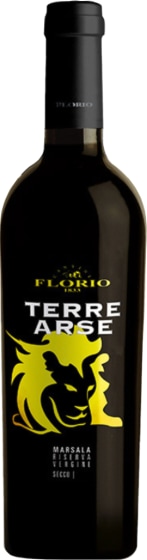
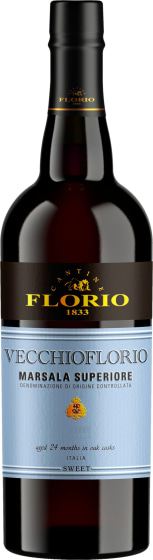
Marsala is a fortified Sicilian wine, meaning a small splash of grape spirit is added to raise its strength. Most people know Marsala wine for cooking, especially as the base of a glossy chicken marsala sauce. It is also a proper sipping wine, and the better bottles reward a slow glass after a meal.
What Marsala Is and Why It Matters
Marsala takes its name from a port city on the western coast of Sicily, the large island at Italy's southern edge. It is a fortified wine, which means winemakers add a neutral grape spirit after fermentation finishes. That extra spirit raises the alcohol and gives the wine a rounder, richer feel than a standard glass of red or white. In earlier centuries, the added strength was practical: it helped the wine survive long ocean voyages without spoiling.
The base wine usually comes from indigenous Sicilian white grapes: Grillo, Inzolia (also called Ansonica), and Catarratto. Indigenous simply means these grapes have grown on the island for a very long time and are rarely found anywhere else. Each brings something different: Grillo lends body and freshness, Inzolia softens the blend, and Catarratto fills it out. Together they give Marsala its backbone before any spirit or barrel aging shapes the final style.
For a long stretch, Marsala was treated as a cooking wine and little more. A wave of quality-focused producers has since brought the aged, sippable styles back into view, which is why the wine is worth a fresh look today.
Marsala belongs to the same family as Port, Sherry, and Madeira, the classic fortified wines. Port is usually rich and sweet, while dry Sherry is nutty and savory, and Marsala can lean in either direction depending on the bottle. If you have ever had a slightly tangy glass of dry Sherry, dry Marsala lives in a similar world, though it tends to taste a bit more caramelized. Think of these wines as cousins rather than twins, each shaped by its own home and traditions.
The biggest source of confusion sits on grocery shelves. Many stores sell a product labeled "cooking Marsala," and it is not the same as real wine. It usually has salt and preservatives mixed in, which makes it shelf-stable but leaves it flat and overly salty. Real Marsala is sold in the wine aisle, with nothing added except that grape spirit.
How to Read a Marsala Label
A Marsala label can look like a string of unfamiliar Italian words. Three of them do almost all the work, telling you the color, the sweetness, and how long the wine aged. Once you can spot those three, you can choose a bottle with confidence.
1. Color: Oro, Ambra, and Rubino
Color is the first clue on the label, and Marsala comes in three. Oro means golden, the most common style and the one you will usually find on a shelf. Ambra means amber, a deeper brown-gold that often reads a touch richer in the glass. Rubino means ruby, made from red grapes and quite rare, so you may never come across it.
2. Sweetness: Dry, Semi-Dry, and Sweet
Sweetness is the most important choice you will make, so it is worth learning three words. Secco is the driest style, with only around 4% residual sugar, which is the sweetness left in the wine after fermentation. Semi-secco sits in the middle at roughly 4–10%, while dolce is openly sweet at 10% and up. Reach for secco when you want a savory sauce, and dolce when you want dessert or an after-dinner sip.
3. Aging: From Fine to Stravecchio
Aging is where price and complexity climb together. Fine spends about a year in barrel, superiore two years, and superiore riserva four. Vergine ages at least five years, and stravecchio at least ten, which builds deeper, more layered flavor and a higher price tag. For a newcomer, the rule is simple: fine is your cooking workhorse, while vergine and above are made for sipping.
Cooking with Marsala
Chicken marsala made this wine famous in home kitchens. The sauce is simple: browned chicken, sliced mushrooms, and a splash of Marsala cooked down until it turns silky and savory. As the wine reduces, its sugar concentrates and its edges mellow, which is what gives the sauce that deep, almost meaty flavor. Dry Marsala does the heavy lifting here, and it also shines in mushroom sauces, pan sauces for pork chops, and quick reductions for beef.
Sweet Marsala plays a different role at the table. Its deeper sugar makes it the classic choice for desserts like tiramisu and zabaione, a warm, whipped custard of egg yolks, sugar, and wine. A small amount adds warmth and a caramel note that plain sugar simply cannot match. It is also good brushed over cakes or stirred into a pan of sautéed pears or figs.
Skip the bottle labeled "cooking Marsala" at the grocery store, even when a recipe calls for it. The added salt and preservatives will make your dish taste harsh, and a real bottle from the wine section costs little more. Since you control the seasoning yourself, real Marsala also gives you a cleaner, more balanced result. One practical bonus: because it is fortified, an opened bottle keeps for months in the fridge, so you are never racing to use it up before it fades.
What to Use Instead of Marsala
Sometimes you need a stand-in, and a few options come close. Dry Sherry is the nearest match, since it shares that same nutty, fortified character. Madeira is a strong second choice, followed by dry white wine with a small splash of brandy for depth. Skip red wine and balsamic vinegar, which pull the dish in the wrong direction and will not taste like Marsala at all.
Marsala Beyond the Kitchen
Is Marsala only for cooking? Not at all. The aged styles, vergine and stravecchio, are made to be poured into a glass and enjoyed on their own. With years in barrel, they develop rich flavors of dried fig, caramel, and toasted nut.
Give an aged Marsala a moment in the glass and you may also taste dark chocolate and tobacco, sometimes a hint of orange peel. The flavors tend to unfold slowly, so this is a wine to sip and revisit rather than drain quickly. Serve dry styles slightly chilled, around 55°F, which keeps them fresh and lifts their aroma. Sweet styles show best at room temperature, where their richness has room to open up.
These wines suit a few classic moments. Pour a small glass as an aperitivo, the Italian ritual of a light drink before dinner, alongside nuts and hard cheese. It also works as a digestif, a sipping wine after a heavy meal, and it is lovely with chocolate desserts. A little goes a long way, so pour two or three ounces rather than a full glass. If you enjoy Port or a glass of Sherry after dinner, aged Marsala belongs in the same rotation, and it often costs less than either.
What to Pair with Marsala
Aged Marsala loves salty, rich, and sweet companions. Serve it in small glasses on a board and let people graze. Here are a few easy pairings to start with:
- Aged hard cheeses: Parmigiano-Reggiano, aged Pecorino
- Cured meats: prosciutto, salami
- Nuts: roasted almonds, hazelnuts
- Desserts: dark chocolate, almond biscotti, tiramisu
- Fruit: dried figs, dates
-
Sicily, Italy
-
Sicily, Italy
Marsala Questions, Answered
What Is the Difference Between Dry and Sweet Marsala?
The difference comes down to how much sugar is left in the wine. Dry Marsala, labeled secco, tastes savory and works best in cooking and in glasses before dinner. Sweet Marsala, labeled dolce, tastes rich and honeyed, which suits desserts and after-dinner sipping. If a recipe does not say which to use, savory dishes almost always want the dry style.
Can You Drink Marsala Wine by Itself?
Yes, and the aged styles are made for exactly that. Vergine and stravecchio Marsala, aged five years or more, offer deep, complex flavor worth savoring slowly. Serve a small glass after dinner, on its own or with cheese, nuts, or chocolate. A dry style tastes best lightly chilled, while a sweet one is happiest at room temperature. Younger, cheaper bottles are better saved for the pan.
Is Cooking Marsala the Same as Real Marsala Wine?
No, and the difference matters more than most people expect. "Cooking Marsala" from the grocery store usually has salt and preservatives added, which can make a dish taste harsh. Real Marsala is sold as wine, with nothing added but a little grape spirit. Buy the real thing from the wine section, and your food will taste cleaner and more balanced.
How Long Does Marsala Last After Opening?
Longer than you might expect. Because Marsala is fortified, an opened bottle stays good for months when you keep it in the fridge. That extra grape spirit protects the wine from spoiling as fast as a regular table wine would. The flavor fades slowly over time, so aim to finish it within a few months for the best taste. Recork it tightly between uses to slow that process down.
What Can I Use Instead of Marsala Wine?
Dry Sherry is the closest substitute, since it has a similar nutty, fortified taste. Madeira works well too, and dry white wine with a splash of brandy can fill in when needed. Avoid red wine and balsamic vinegar, which change the flavor of a dish too much. For sweet Marsala in desserts, a sweet Sherry or a tawny-style fortified wine comes closest.
Your Marsala Starting Point
You now have a simple plan. Grab a bottle of dry Marsala for your next chicken marsala, keep a bottle of vergine on hand to try as an after-dinner sip, and remember the substitute cheat sheet: dry Sherry first, then Madeira. Those three moves cover cooking, sipping, and the nights you run short.
From there, taste across the range. Start with an everyday cooking bottle, then work up to an aged sipper when you want something to linger over. Comparing the two side by side is the fastest way to understand what Marsala can really do. You will quickly notice how much the aging and sweetness change the wine in your glass.
When you are ready to stock your shelf, Browse Marsala at Wine.com and pick one style for cooking and one for sipping. Keep the dry bottle near the stove and the aged one with your good glasses. Having both on hand means you are set for a weeknight sauce or a slow glass after dinner.
Related Guides