Natural Wine, Explained: What It Is, How It Tastes, and Where to Start
Natural wine gets talked about like a secret club or a passing fad, and neither is quite right. The movement is real and here to stay, even if some of the hype around it is overblown, and getting in is easier than the buzz suggests. At its simplest, natural wine is wine made with as little added to it as possible, and that single idea produces a huge range of tastes, colors, and bubbles.
What Natural Wine Is and Why It Matters
Think of natural wine as the difference between a farm stand tomato and one bred to survive a long truck ride. Both are tomatoes, but one is grown and handled with a much lighter touch. Natural wine starts with grapes farmed organically or biodynamically, without synthetic pesticides, and the goal from there is to change the juice as little as possible on its way to the bottle.
That light touch has a name: low intervention. It means the winemaker adds almost nothing to alter flavor and avoids the usual chemical adjustments, like tweaking acidity in a lab. Two ideas do most of the work here, so here is what they mean for you as you read a label or a shelf tag.
The first is native yeast, sometimes called wild yeast. Yeast is what turns grape sugar into alcohol, and most wine uses a commercial packet for a fast, predictable result. Natural wine tends to let the wild yeast already living on the grapes and in the cellar do the job instead.
The second is sulfites, and they cause more confusion than almost anything else in wine. Most of that confusion comes from a single myth: that natural wine has none at all.
Sulfites are a preservative, sulfur dioxide, that keeps wine stable and fresh. Some occurs naturally on grape skins, and more is usually added right before bottling. Every wine on earth contains some sulfites. Natural wine simply adds little to none.
How Natural Wine Is Made
The clearest difference between natural wine and conventional wine happens during fermentation, the stage where grape juice becomes wine. Conventional producers often add commercial yeast to control the pace and outcome. Natural producers usually skip that step and rely on the native yeast that arrives on the fruit.
Native yeast fermentations take longer and behave less predictably than commercial ones. In exchange, they tend to preserve the character of the place the grapes grew, so a bottle tastes more like its specific vineyard. The trade is time and control for a stronger sense of origin, and many natural producers think it is worth it.
How It Differs from Organic and Biodynamic
Organic and biodynamic are farming words, and natural is a cellar word. Organic and biodynamic describe how the grapes are grown in the vineyard: in the United States, the government controls the term "organic," and a group called Demeter trademarks "Biodynamic." Both are certifications about farming, not about what happens after harvest.
Natural wine adds a low-intervention approach in the cellar on top of that kind of careful farming. Here is the catch that trips people up: not all natural wines carry an organic certification, and plenty of certified organic wines are made with conventional cellar methods. Organic tells you about the field, natural tells you about the whole trip from vine to bottle.
How Natural Wine Tastes (And Why It Varies)
Pour a glass of natural wine and it may look a little hazy instead of crystal clear. That cloudiness is normal and expected, because many natural wines are unfiltered, so tiny natural particles stay in the bottle. It is a sign of how the wine was made, not a sign that something went wrong.
You may also hear people talk about "funk," which is a catch-all for earthy, tangy, or slightly wild flavors. Some funk is a style choice, and if you like it, that is a real and valid taste. There is a line, though, between a wine that tastes intentionally rustic and one that has an actual flaw, and your own nose is a good judge. If a wine smells sharp or spoiled in a way you find unpleasant, trust that reaction and set it aside.
So here is the honest verdict, since this is the question most people are really asking. The natural wine movement is real and genuinely worth trying, the hype around it is inflated, and whether you love it comes down to your own palate. You do not need special training or permission to have an opinion, and there is no wrong answer.
One number helps ground the sulfite question. Wines made with organically grown grapes are capped at 100 parts per million of total sulfur dioxide for reds and 150 for whites and rosés, and many natural wines land well below those limits. In plain terms, that means very little added preservative, which is part of why some people reach for these bottles.
The Natural Wine Styles to Try First
Some natural wines fizz, some glow amber in the glass, and some drink like a cool, juicy red you could serve slightly chilled. That range is the fun part, and it means there is almost certainly a natural wine that fits how you already like to drink. You can browse the full shoppable range in our natural and organic wine collection, but three styles make the friendliest starting points.
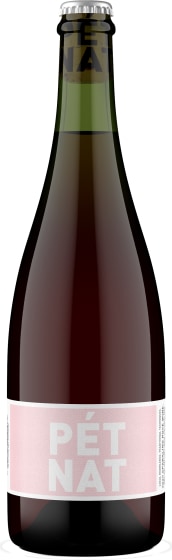
1. Pét-Nat (Lightly Sparkling)
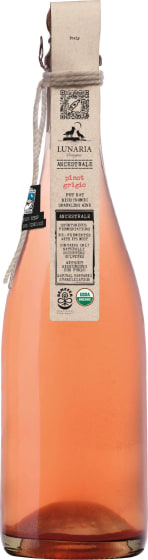
Pét-Nat, short for pétillant naturel, is a lightly sparkling wine made by an old technique called the ancestral method, or méthode ancestrale. In plain terms, the wine finishes its fizzing inside the sealed bottle, which traps gentle bubbles without the machinery of Champagne. It tends to be bright, a little tart, and best enjoyed young, which makes Pét-Nat an easy, low-stakes way to start.
Reach for one when you want something fun and casual, like a bottle to open on the porch or bring to a low-key gathering. The bubbles are softer and the mood is relaxed, so nobody needs to make a speech.
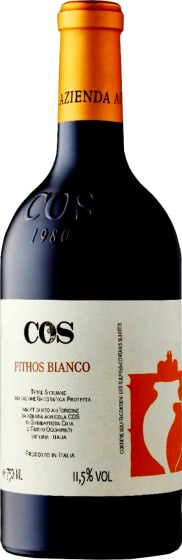
Orange wine, also called skin-contact white, is made from white grapes left to sit on their skins during fermentation. Regular white wine gets pressed off its skins quickly, but leaving them in gives orange wine its amber color and a gentle grip on your tongue, a little like weak tea. It is a safe next step once Pét-Nat feels familiar, and orange wine rewards a bit of curiosity.
These wines have more texture and savory character than a standard white, which makes them great with food. Pour one when you want a white wine with a little more presence at the table.
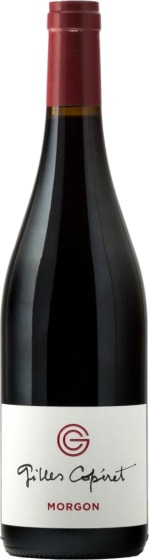
Light natural reds are the easygoing cousins of big, bold red wine. They are juicy, low in tannin, and good served with a slight chill, which is unusual for red but very welcoming. Tannin is the drying, slightly grippy feeling a strong red leaves on your gums, like over-steeped tea, and these reds have very little of it, so light natural reds are nothing to be intimidated by.
Nothing about these bottles is weird or heavy. They are bright, refreshing, and happy alongside a weeknight dinner or a warm afternoon.
Natural wine loves food, and its bright acidity and lighter body make it easy to match without overthinking. The trick is to lean into casual, flavorful meals rather than fussy ones. Here is how to pair by the moment you are in.
Dinner party: pour a Pét-Nat as guests arrive, since the bubbles feel festive and pair happily with cheese, chips, and salty snacks
Casual weeknight: a lightly chilled natural red is perfect with pizza, roast chicken, or a big bowl of pasta
Something adventurous: orange wine stands up to bolder plates like curry, grilled vegetables, and aged cheese
A gift for a friend: a colorful Pét-Nat bottle looks and feels special, and it suits almost any occasion the recipient might open it for
Natural Wine Questions, Answered
Is Natural Wine Actually Better for You?
Natural wine does contain fewer additives than most conventional wine, since the whole point is to add as little as possible. That can be appealing if you prefer fewer ingredients in what you drink. It is still wine, though, with the same alcohol and the same reasons to enjoy it in moderation. Treat it as a tasty choice, not a health drink, and you will have the right expectations.
Does Natural Wine Have Sulfites?
Yes, and this surprises a lot of people. All wine contains some sulfites, because they occur naturally on grape skins during fermentation. What sets natural wine apart is that it adds little to no extra sulfur, rather than the larger dose used in many conventional wines. So a natural bottle is lower in added sulfites, but it is never truly sulfite-free.
Why Does Natural Wine Sometimes Taste Funky or Look Cloudy?
Cloudiness is completely normal and comes from skipping filtration, which leaves harmless natural particles in the bottle. The funk, that earthy or tangy edge, is usually a style choice that fans of natural wine actively enjoy. Once in a while, though, a strong off smell can signal a genuine fault in that particular bottle. If it smells clearly spoiled to you, you are allowed to pour it out and open something else.
Is Natural Wine Expensive?
Natural wine is not automatically pricey, and the range is wide. Plenty of excellent bottles sit right in the accessible, mid-priced band that most people already shop, so you do not need to spend big to try the style. Some rare or hard-to-find natural wines climb higher, the same way rare conventional wines do. For a first bottle, an approachable everyday price is more than enough.
Where to Start with Natural Wine
You now have a small cheat sheet for your next few bottles. Grab a Pét-Nat when you want festive bubbles for a dinner party, pour a lightly chilled natural red on a casual weeknight with pizza or pasta, and open an orange wine when you are feeling curious and want something with more grip and savory character. Each one fits a real moment, so you can match the bottle to the night.
Choosing gets easier when the selection is broad, and Wine.com carries more than 16,000 wines, including a deep natural range to explore at your own pace. You can browse the full set anytime and start with whatever style caught your eye here. There is no rush and no wrong entry point.
When you are ready to pick your first bottle, Browse Natural Wine at Wine.com and let your curiosity lead. Start with the style that caught your eye, open it this week, and see what you think.