Fortified Dessert Wines, Explained: Styles, Selections, and Serving
Fortified dessert wines are wines strengthened with a neutral grape spirit, a step that pushes their alcohol above table wine and, depending on its timing, can leave them anywhere from bone-dry to intensely sweet. The category stretches from Portugal's Port and Madeira to Spain's Sherry and Sicily's Marsala, with French and Australian styles rounding out the field. Knowing when the spirit goes in explains most of how each one tastes.
Fortified Wines at a Glance
Adding grape spirit to a fermenting wine does two things at once: it stops the yeast in its tracks and it lifts the finished wine to 15–22% alcohol, well above the 5–14% range of most naturally sweet dessert wines. That single intervention is what separates a fortified wine from a dessert wine that gets its sweetness by concentrating sugar in the grape. The timing of the spirit addition then decides whether the wine ends up sweet or dry.
Fortification is simply the addition of grape spirit to wine. Add it mid-fermentation and unfermented sugar survives, giving a sweet wine; add it after fermentation finishes and the result is dry.
How Fortification Changes the Wine
Yeast converts grape sugar into alcohol until it either runs out of sugar or is killed off by the alcohol it has made. Winemakers use that to their advantage by dosing the tank with high-proof grape spirit, which halts fermentation on command. The earlier the spirit lands, the more unfermented sugar it locks in, so timing becomes the winemaker's sweetness dial. Stop fermentation early, while plenty of sugar remains, and you get a sweet, powerful wine like Port. Let it run to dryness before fortifying, and you get a dry wine like Fino Sherry that simply carries extra alcohol. That same spirit works as a preservative, which is why these wines survive air exposure that would ruin a table wine in a day, and why so many of them were first made to endure long sea voyages.
Where Dessert Wines Differ
Not every sweet wine is fortified. The other great sweet wines build their sugar in the vineyard rather than the cellar, and they stay at table-wine strength. Four methods do the work: leaving grapes to overripen as a late harvest, letting noble rot shrivel them, freezing them on the vine for ice wine, or drying picked grapes on mats in the passito method. In each case the water content drops and the sugar left behind is too concentrated for the yeast to fully ferment, so the finished wine keeps its sweetness naturally. A Sauternes or an ice wine tastes intensely rich yet rarely climbs past 14% alcohol, which is exactly where a fortified wine pulls away. The two families overlap on the sweet end, so a sweet Sherry and a Sauternes can share a dessert course, but the route each took to get there is completely different.
The Major Styles of Fortified Wine
The fortified world rests on four pillars, each tied to a specific place and a signature technique. Portugal claims two of them, Spain and Italy one apiece, and the differences come down to grape, climate, and how the wine is aged.
1. Port
Port is the reference point for sweet fortified wine: a Douro Valley red, fortified mid-fermentation so it keeps its dark-fruit richness, and made in Ruby, Tawny, Late Bottled Vintage, and Vintage styles. Tawnies lean nutty and caramelized from long cask age, while Ruby and Vintage styles stay fresher and more berried. Our full Port Wine Guide walks through the label terms and styles in depth.
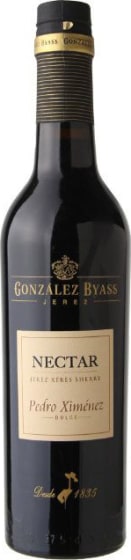
Sherry runs the full spectrum from bone-dry to lusciously sweet, all from the chalky albariza soils around Jerez in southern Spain. Bone-dry Fino and Manzanilla age under a veil of flor yeast, Amontillado and Oloroso oxidize into nuttier territory, and Pedro Ximénez sits at the sweet extreme, thick with raisin and molasses. The solera system blends across years to hold each house style steady, a process the full types of Sherry guide unpacks.
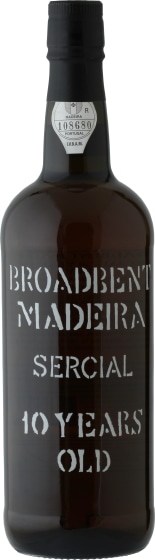
Madeira earns its reputation as the most durable wine on earth. Made on a volcanic Portuguese island in the Atlantic, it is deliberately heated and oxidized as it ages in a process called estufagem, a technique born from the days when barrels mellowed on long sea voyages across the equator. That controlled cooking is what gives Madeira its signature tang and its toffee, roasted-nut, and dried-apricot character. The traditional grapes map onto a sweetness scale: Sercial is the driest and most bracing, Verdelho and Bual sit in the middle, and Malmsey is dark and rich. All of them keep a searing acidity that lets an opened bottle stay lively for months, and a well-aged one can outlast the person who bought it.
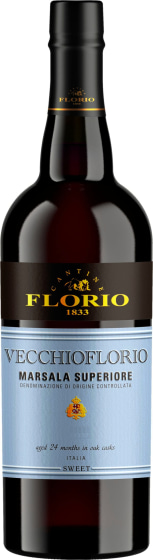
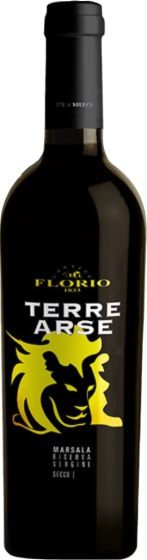
Marsala suffers from a reputation as a cooking wine, which sells the good bottles short. Made near the western Sicilian town of the same name, it is graded by aging: Fine rests about a year, Superiore at least two, and Vergine spends five or more years in cask and is always dry. It also comes in three colors, from golden oro to amber ambra to the rarer ruby rubino, and the best examples are built up through a solera-style blending of older and younger wines. The cheapest bottles belong in a pan with veal and mushrooms, but a Superiore or Vergine deserves a glass, offering dried-fig, walnut, and burnt-honey flavors. Look past the supermarket shelf and Marsala becomes one of the category's better values.
Beyond the Classics: Other Fortified Styles Worth Knowing
Port and Sherry dominate the conversation, but the fortified map runs well past Iberia. Two corners of the wine world make styles worth seeking out: the sun-baked south of France and the hot northeast of Australia.
5. Vin Doux Naturel (France)
Vin doux naturel translates to natural sweet wine, though there is nothing passive about it: fermentation is arrested with grape spirit in a step the French call mutage, leaving the wine sweet and only moderately fortified. The white versions, led by Muscat de Beaumes-de-Venise, taste of peach and orange blossom. The reds, Banyuls and Maury from Roussillon near the Spanish border, are built on Grenache (Garnacha in Spain) and lean toward cocoa, black cherry, candied orange, and a rancio nuttiness, which makes them among the few wines that genuinely partner with chocolate. They cost a fraction of what comparable Port does and stay badly overlooked.
6. Australian Fortified (Rutherglen Muscat and Topaque)
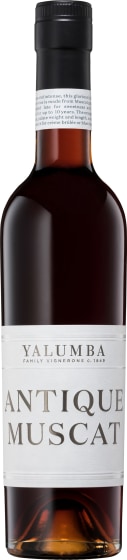
Rutherglen in northeastern Victoria makes some of the most decadent fortified wines going. Grapes are left to raisin on the vine, fortified, then aged for years in old casks under hot tin roofs, a regime that turns them mahogany-dark and syrupy. Muscat and Topaque are the two styles, the first from a dark-berried strain of Muscat and the second from Muscadelle, and producers grade both on a rising scale from Rutherglen to Classic, Grand, and Rare. The oldest tiers are drawn from long solera-style blends, so a single glass can carry wine aged for decades. Expect flavors of toffee, date, and espresso, with a texture closer to syrup than to wine.
Barossa Valley, Barossa, South Australia, Australia ● Port
93 Vinous
92 Robert Parker
92 Wine Enthusiast
91 Decanter
91 Wine Spectator
$23.97
$23.97
What to Eat with Fortified Dessert Wines
Fortified wines hand you a rare luxury at the table: because the spirit protects them, an opened bottle keeps for weeks, and the wines themselves range from drink-now to age-for-decades. Vintage Port can improve for 50 years or more in the cellar, while Ruby and Tawny styles are built to pour young. Match the wine to the flavors on the plate, and the pairing takes care of itself.
Chocolate and dark flavors: reach for a red fortified wine like Ruby Port, Banyuls, or Rutherglen Muscat, whose sweetness and body stand up to cocoa
Fruit tarts and citrus desserts: a Muscat-based wine or a young Tawny mirrors the fruit without burying it
Blue cheese and hard cheeses: sweet Port and Pedro Ximénez Sherry balance salt and funk in a long-proven contrast
Nuts, caramel, and toffee: Tawny Port, Madeira, and Amontillado echo the roasted, nutty notes on the plate
A few practical notes make the wines easier to enjoy:
Temperature: serve dry, lighter styles lightly chilled and rich, dark styles at cool room temperature
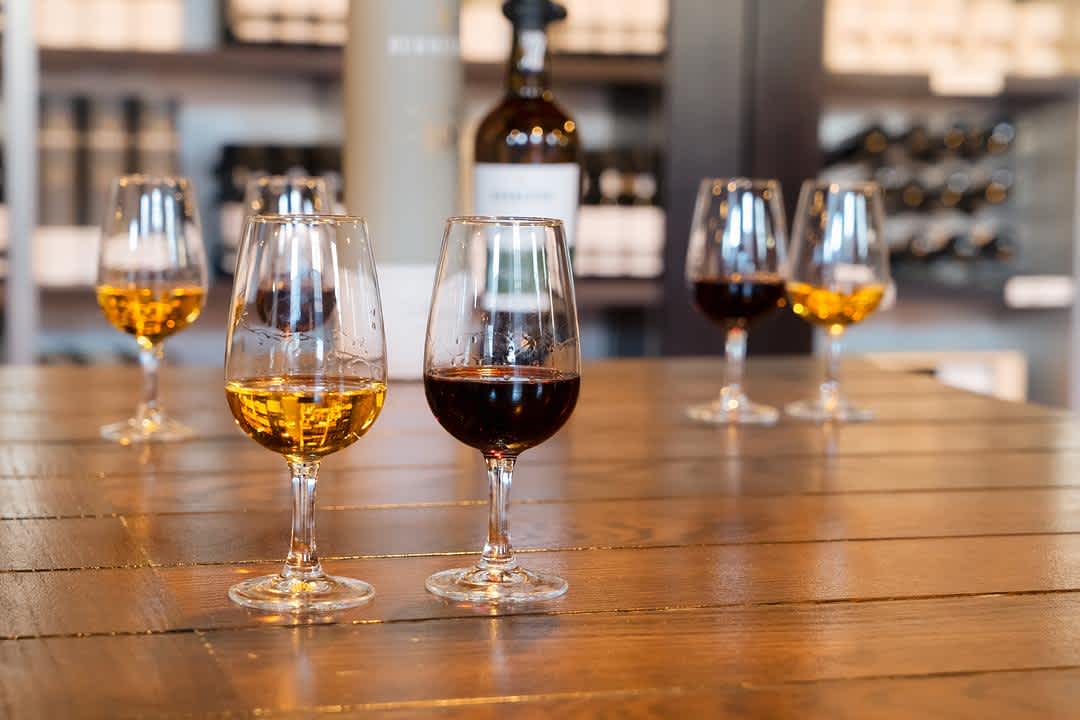
Glassware: a small white-wine glass beats a tiny cordial glass, which traps the aromatics
Pour size: these are wines to sip, so a 2–3 oz pour is plenty
After opening: dry styles like Fino fade within a few days, while Tawny, Madeira, and most sweet styles hold for weeks or longer
Fortified Wine Questions, Answered
Is Port a Dessert Wine or a Fortified Wine?
Both, which is the source of most of the confusion. Port is a fortified wine by method, since it receives a dose of grape spirit during fermentation. It is a dessert wine by role, because that spirit goes in early enough to leave it sweet. Any fortified wine that finishes sweet can wear both labels at once.
Are All Fortified Wines Sweet?
No. Sweetness depends entirely on when the spirit is added, not on the fact of fortification itself. Fino and Manzanilla Sherry are bone-dry because the wine ferments fully before any spirit goes in, and a Vergine Marsala is dry for the same reason. Amontillado sits in between, running from dry to lightly sweet.
How Long Does Fortified Wine Last After Opening?
Far longer than table wine, though the window depends on the style. Delicate, dry styles like Fino Sherry are the exception and begin to fade within a few days, because their fresh, flor-aged character is the first thing to go. Ruby Port stays fresh for a couple of weeks, and oxidative styles such as Tawny Port and Madeira can hold for months, since they were made through controlled exposure to air in the first place. The rule of thumb is simple: the more a wine was shaped by oxidation during aging, the less an open bottle has to fear from it. Keep the bottle corked in the refrigerator and you will stretch any of them further.
What Is the Best Fortified Wine for Beginners?
Start with a 10-year Tawny Port or a Pedro Ximénez Sherry, since both are approachable and easy to find. If you like nutty, caramel flavors with a drier edge, the Tawny is your entry point. If you prefer something rich and openly sweet, closer to liquid raisins, go for the PX. Let your dessert preference guide the choice and you will rarely miss.
Where to Start with Fortified Dessert Wines
The easiest way in is to match a bottle to a moment. Pour a Tawny Port with roasted nuts after a weeknight dinner, chill a Fino Sherry before a summer lunch, or open a Pedro Ximénez alongside a wedge of blue cheese when friends come over. Each one shows a different face of the category, and none asks much of you beyond a small glass.
That range is the whole appeal. Wine.com carries more than 213 dessert and fortified wines, so you can taste across Port, Sherry, Madeira, and the lesser-known French and Australian styles without leaving a single page.
Picking one is the fun part. You can browse fortified and dessert wines at Wine.com and let the dessert you are serving point you to the style.