Cooking With Sherry Wine, Explained: Styles, Techniques, and Bottles To Buy
Sherry is one of the most versatile wines you can keep in your kitchen. Its fortification concentrates flavor into every splash, and the solera aging process layers in a complexity that table wines simply cannot match. From bone-dry Fino to syrupy Pedro Ximénez, the range of sherry styles covers everything from a quick pan sauce to a slow-braised lamb shank.
Sherry in the Kitchen at a Glance
A splash of dry sherry in a hot pan does something no other wine can replicate. The higher alcohol content, typically 15% to 22% ABV, means the flavor is more concentrated per ounce than a standard table wine. That extra potency translates directly into cooking: you need less liquid to make a bigger impact.
The depth comes from the solera system, a fractional blending method where older wines are gradually refreshed with younger ones across tiers of barrels. No single barrel is ever fully emptied, so the finished sherry carries traces of dozens of harvests. That layered complexity is exactly what gives a pan sauce or a braise its savory backbone.
What is the solera system? A solera is a series of barrel rows stacked by age. Winemakers draw finished sherry from the oldest row, then top it up from the next youngest, and so on down the line. The result is a wine that blends multiple years together, creating a consistent, complex flavor profile that no single-harvest wine can achieve.
One important distinction before you start cooking: real sherry and "cooking sherry" are not the same product. Cooking sherry, found in the condiment aisle, is a low-quality base wine loaded with added salt and food coloring. It tastes harsh and leaves a metallic aftertaste in your food. Always cook with a sherry you would actually drink. The bottles recommended in this guide all work beautifully in the kitchen and in the glass.
How Each Sherry Style Cooks
The difference between adding Fino and adding Oloroso to a dish is like the difference between a squeeze of lemon and a spoonful of demi-glace. One brightens, the other deepens. Knowing which style to reach for is the single most useful thing you can learn about cooking with sherry.
1. Fino and Manzanilla
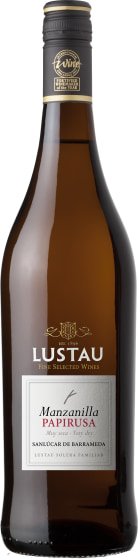
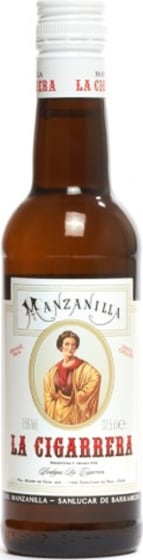
Fino and Manzanilla are the lightest, driest sherries in the family. They age under a blanket of flor yeast that protects the wine from oxygen, keeping the color pale and the flavors crisp, with a slightly saline edge. Manzanilla, produced in the coastal town of Sanlúcar de Barrameda, picks up an extra hint of sea-salt tang from the ocean air.
These are your go-to sherries for seafood dishes, light chicken preparations, risotto, and vegetable glazes. Add them late in the cooking process or finish with a small splash right before serving. The goal is brightness: the delicate, yeasty character fades quickly under prolonged heat, so save these for the final moments of a dish.
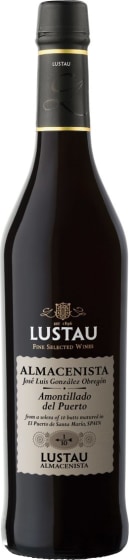
Amontillado starts its life as a Fino, aging under flor. Then the wine is fortified further, the flor dies off, and oxidative aging takes over. The result is a medium-dry sherry with nutty, caramel-edged complexity that sits between the crispness of Fino and the richness of Oloroso.
This is the workhorse sherry for savory cooking. Its nutty depth makes it ideal for deglazing a pan after searing pork or chicken, stirring into mushroom dishes, enriching cream sauces, or adding backbone to French onion soup. Those nutty notes concentrate beautifully when the liquid reduces, so Amontillado rewards slow simmering and patient sauce-building.
Oloroso means "intensely aromatic" in Spanish, and the name delivers. These sherries skip the flor stage entirely, aging in full contact with oxygen from the start. The result is a rich, dark, velvety wine with deep dried-fruit and walnut character, yet still fully dry.
Reach for Oloroso when you are building beef or lamb braises, hearty stews, or a rich gravy. Add it early in the cooking process and let the flavors meld with the stock and aromatics over time. The wine's full body and glycerin-rich texture give long-cooked dishes a savory richness that lighter styles cannot provide.
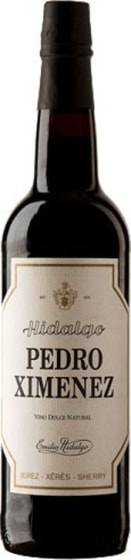
Pedro Ximénez, often labeled PX, is sherry at its most concentrated. The grapes are dried on straw mats under the Andalusian sun before pressing, producing a wine with intense sweetness: thick, syrupy, and loaded with raisin, fig, and date flavors. Residual sugar levels can reach 400 grams per liter or more.
PX is a dessert ingredient, not a savory one. Drizzle it over roasted stone fruit, reduce it into a glaze for vanilla ice cream, or fold it into a chocolate sauce. Use it sparingly, though. A tablespoon or two goes a long way, and balancing its sweetness with a squeeze of citrus or a pinch of sea salt keeps the finished dish from tipping into cloying territory.
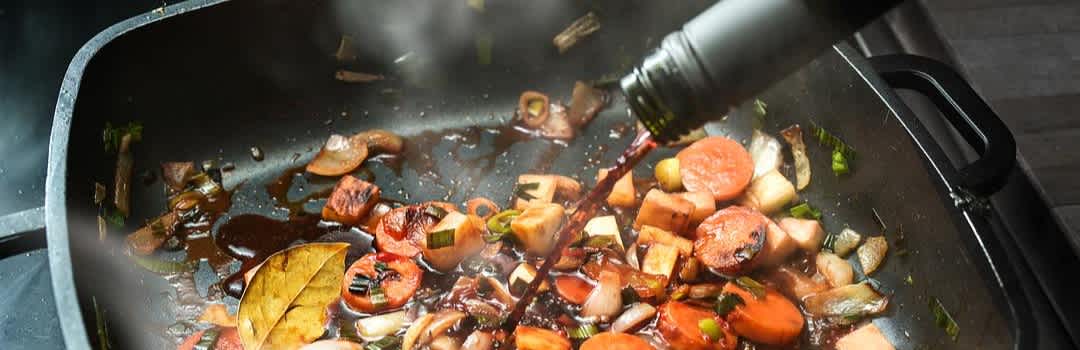
A splash of sherry in a hot pan builds layers of savory depth almost instantly. The alcohol vaporizes on contact, carrying aromatic compounds into the air while the remaining liquid reduces into a concentrated, glossy sauce base.
1. Deglazing a Pan
Deglazing is the single most common way to use sherry in cooking, and it is also the simplest. After searing a protein, remove it from the pan and pour in two to four tablespoons of sherry while the pan is still hot. The liquid will bubble and steam on contact.
Use a wooden spoon or spatula to scrape up the browned bits stuck to the pan surface. Those caramelized residues, called fond, are packed with flavor. Let the sherry reduce by about half, then add stock, cream, or butter to build your sauce. Fino works well for light chicken or fish sauces, while Amontillado adds a nuttier, richer foundation.
2. Reducing for Sauces
Sherry concentrates as it simmers, and the flavors intensify along with it. A quarter cup of Amontillado reduced to two tablespoons becomes a glossy, deeply savory sauce base with nutty, caramel undertones. Simmer the sherry gently until it thickens slightly and coats the back of a spoon.
One thing to watch: salt concentration. As the liquid evaporates, any salt in the pan becomes more pronounced. Season your sauce after the reduction is complete, not before.
3. Finishing a Dish
A small splash of sherry added right before serving preserves the wine's aroma in a way that longer cooking cannot. The volatile compounds that give Fino its bright, yeasty character or Amontillado its toasted-almond scent are fragile. They fade with extended heat.
This technique works especially well with soups, risottos, and sauteed vegetables. A tablespoon of Fino stirred into a bowl of clam chowder or drizzled over sauteed mushrooms adds a subtle lift that pulls the whole dish together.
4. Braising and Long Cooking
For braises, sherry plays a supporting role alongside stock or water. Add a quarter to half cup of Oloroso or Amontillado to the braising liquid at the start of cooking. Over two to three hours of low heat, the wine's acidity helps break down collagen in tough cuts of meat, while its residual sugars contribute to a richer, more complex sauce.
Beef short ribs, lamb shanks, and pork cheeks are ideal candidates. The combination of sherry's acidity, the protein's natural gelatin, and slow heat produces the kind of unctuous, deeply flavored sauce that defines great braised cooking.
What To Cook With Sherry
Sherry pairs with a wider range of foods than most cooks realize. Here are the categories where it makes the biggest difference.
Mushrooms: a splash of Amontillado in sauteed mushrooms deepens their earthy flavor and adds a nutty, caramelized edge
Chicken and poultry: Fino brightens a simple pan sauce, while Amontillado enriches cream-based preparations and slow-cooked thighs
Seafood: Fino and Manzanilla are natural partners for shrimp, clams, and white fish, especially in garlic-forward dishes like gambas al ajillo
Pork: Amontillado and Oloroso both complement pork's mild sweetness, whether in a tenderloin pan sauce or a slow-braised shoulder
Soups and bisques: a tablespoon of dry sherry stirred into lobster bisque or butternut squash soup adds warmth and complexity without extra cream
Vegetables: Fino brightens glazed carrots and sauteed greens, while Oloroso adds weight to roasted root vegetables
Desserts: PX reduced into a syrup works as a topping for ice cream, poached pears, or bread pudding
Sherry's cooking tradition runs deep across cultures. In Andalusia, it is the backbone of the regional kitchen, appearing in everything from gazpacho to game marinated with saffron, cumin, and almonds. It works as a reliable substitute for Shaoxing wine in Chinese cooking, bringing a similar nutty warmth to stir-fries and braises. And in British kitchens, PX is the traditional finishing touch in a classic trifle.
Quick Answers on Cooking With Sherry
What Is the Difference Between Cooking Sherry and Real Sherry?
Cooking sherry is a low-quality product found in the grocery store's condiment aisle. It contains added salt, preservatives, and sometimes food coloring to extend shelf life. Real sherry is a fortified wine produced in Spain's Jerez region under strict quality standards. The flavor difference is dramatic: cooking sherry tastes harsh and artificially salty, while real sherry brings genuine complexity to a dish. Always cook with a bottle you would pour into a glass.
Which Sherry Should I Buy if I Only Want One Bottle for Cooking?
Amontillado is the most versatile single bottle for cooking. Its medium-dry profile sits at the center of the sherry spectrum, with enough nutty depth for braises and pan sauces but enough brightness to finish lighter dishes. It works with chicken, pork, seafood, mushrooms, and soups. Keep one bottle by the stove and you will find yourself reaching for it constantly.
Can I Substitute Sherry in a Recipe?
Dry vermouth is the closest substitute for Fino or Manzanilla. For Amontillado, try a dry Marsala. For Oloroso in braises, a dry Madeira works well. None of these are exact matches, since sherry's solera aging gives it a layered complexity that other fortified wines achieve differently. If a recipe specifically calls for sherry, the best substitute is always a different style of sherry: swap Fino for Amontillado, or vice versa, depending on the dish.
How Long Does Opened Sherry Last for Cooking?
Fino and Manzanilla are the most perishable styles. Once opened, they stay fresh for one to two weeks in the refrigerator. Amontillado and Oloroso, with their higher alcohol and oxidative aging, last several months after opening when stored in a cool place. PX lasts even longer thanks to its sugar content. For cooking purposes, even a slightly faded Amontillado or Oloroso still brings useful flavor to a braise or sauce.
Does the Alcohol Cook Off?
Not entirely, and not as fast as most people think. Adding wine to a boiling liquid and immediately removing it from heat leaves about 85% of the alcohol intact. After simmering for 30 minutes, roughly 35% remains. A full 2.5 hours of cooking reduces the alcohol to about 5%. For most recipes, the alcohol content in the finished dish is minimal, but it never reaches absolute zero.
Your Next Bottle
Dry Amontillado is the bottle to keep by the stove for weeknight deglazing and pan sauces. Oloroso is the one to reach for when a weekend braise needs savory depth. And a half bottle of PX turns a simple scoop of ice cream into a dinner-party dessert.
Wine.com carries one of the widest selections of sherry available online, from crisp Manzanilla to rich, aged Oloroso and everything in between. Whether you are stocking a kitchen or building a collection, the range covers every style and price point.