Champagne Aging, Explained: Storage, Timelines, and What to Cellar
Most Champagne gets opened within hours of purchase. That instinct misses something important: Champagne is one of the most age-worthy wines in the world, built on a foundation of high acidity, extended lees contact, and dissolved CO₂ that can carry it for decades. The bottles you rush to pop are often the ones that reward patience most.
Why Champagne Ages Differently Than Still Wine
A 20-year-old Burgundy and a 20-year-old Champagne can both deliver extraordinary complexity, but they arrive there through fundamentally different mechanisms. Red Burgundy ages through the slow polymerization of tannins and the gradual interaction of phenolic compounds with trace amounts of oxygen that pass through the cork. Champagne follows an entirely different path, one driven by yeast, carbon dioxide, and a two-phase aging process that has no parallel in still wine.
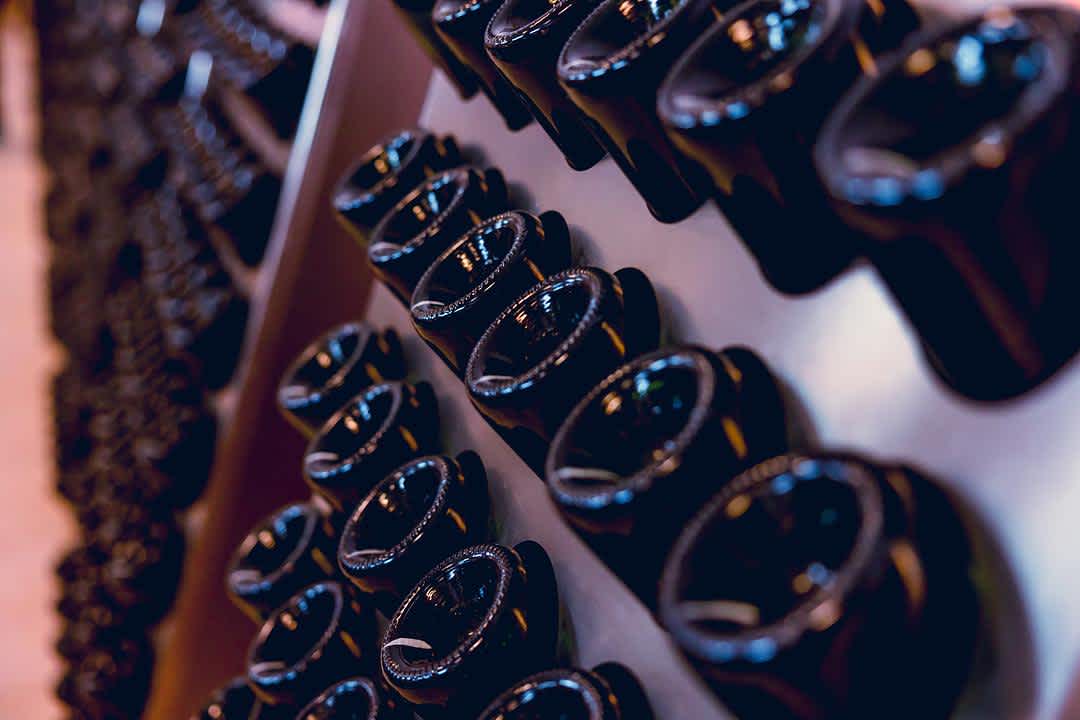
The key distinction is what happens before the bottle reaches you. Champagne spends months or years resting on spent yeast cells, known as lees, inside a sealed bottle under pressure. During this period, the wine ages reductively, meaning it develops without oxygen exposure. The dead yeast cells actually bind oxygen present in the wine, creating a protective environment. This is the opposite of what happens in a barrel-aged Cabernet Sauvignon, where controlled oxygen exposure through oak staves softens tannins and builds complexity.
Once a Champagne is disgorged (the process of removing the spent yeast), it begins aging oxidatively, much like a still wine. The timing of that disgorgement becomes a critical variable. A bottle disgorged after three years on lees will evolve differently from one disgorged after eight years, even if both sit on your shelf for the same length of time. That dual-phase aging gives Champagne a complexity trajectory that still wines simply cannot replicate.
High acidity provides the structural backbone. Where red wines rely on tannin to maintain freshness and aging potential, Champagne depends on its naturally elevated acidity. And the dissolved CO₂ acts as an additional preservative, slowing oxidation even after disgorgement.
How Lees Aging Shapes Flavor Over Time
Autolysis is the process that separates Champagne from every other sparkling wine category. As yeast cells break down during extended lees contact, their cell walls disintegrate and release enzymes, amino acids, and polysaccharides into the wine. These compounds build the creamy, biscuit-laden character that defines serious Champagne.
The flavors develop on a curve. Early in the process, you get subtle bread dough and brioche notes layered over the wine's primary fruit. With longer lees contact, those notes deepen into toasted almond, pastry cream, and a rounder mouthfeel that coats the palate without heaviness. The legal minimum of 15 months on lees for non-vintage Champagne produces a baseline of this character, but the most compelling expressions come from producers who double or triple that requirement.
Carbonation, Acidity, and the Aging Equation
Carbon dioxide does more than create bubbles. It acts as a natural preservative inside the sealed bottle, maintaining freshness and slowing the chemical reactions that break wine down over time. Champagne typically holds 5–6 atmospheres of pressure at release, and that pressure gradually diminishes with age.
As CO₂ slowly escapes through the cork over years, the mousse becomes finer and more delicate. A well-aged Champagne trades the aggressive fizz of youth for a gentle, creamy effervescence. Acidity plays a complementary role: Champagne's naturally high acid levels (often higher than most white wines) provide the framework that keeps the wine lively and structured even as the carbonation softens.
How Long Does Champagne Last?
Champagne aging potential depends almost entirely on its category. The three tiers of production follow distinct timelines, each shaped by how the wine was made and how long it spent developing before release.
1. Non-Vintage Champagne
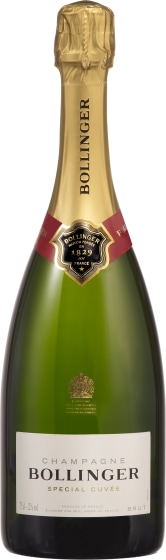
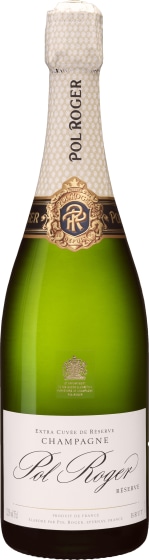
Non-vintage Champagne is blended from multiple years to achieve a consistent house style. It spends a minimum of 15 months aging on lees before release, though many respected houses exceed that by a wide margin. By the time NV Champagne reaches the shelf, it is already at or near peak drinkability.
The drinking window for NV Champagne runs 3–5 years from purchase. This shorter timeline reflects the wine's purpose: NV is designed for freshness and immediate pleasure, not long-term evolution. Beyond five years, the fruit fades, the mousse flattens, and the wine loses the bright, crisp energy that defines the style. Enjoy it while those qualities are intact.
Vintage Champagne is produced only in exceptional years, when conditions yield fruit with enough concentration and character to stand on its own. These wines age a minimum of three years on lees before release, with many houses holding them for five to seven years.
The drinking window stretches to 10–20 years or more from the vintage date. At five years after release, the primary fruit softens and secondary flavors begin to emerge: stone fruit, honey, toasted hazelnut. By the ten-year mark, the mousse becomes finer and the palate develops a buttery richness layered with dried flowers and spice. At 15 years and beyond, the wine can take on a deep golden color and flavors approaching dried apricot, caramel, and a savory umami quality that only extended autolysis produces.
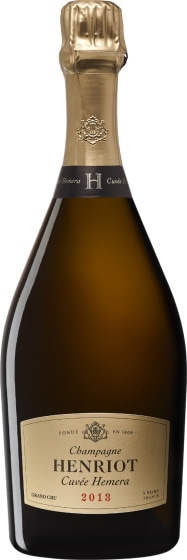
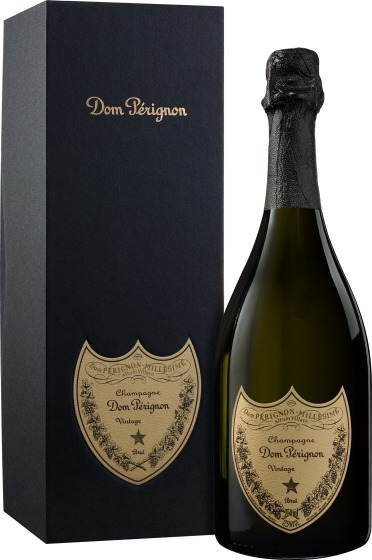
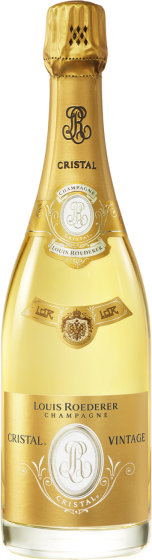
Prestige cuvées represent each house's finest expression, made from the best vineyard sites in the best vintages. These wines routinely spend 5–10 years on lees before release, building a depth of autolytic complexity that positions them for extraordinary longevity.
The aging ceiling for prestige cuvées extends to 20–40 years or more. Extended pre-release lees aging gives them a head start: by the time you open the bottle, the wine has already undergone years of reductive development that most Champagnes never experience. That foundation of amino acids, polysaccharides, and yeast-derived complexity means the wine enters its oxidative phase with far more material to work with. The result is a longer, slower evolution and a ceiling that can rival the greatest still wines of Burgundy or Bordeaux.
Young Champagne leads with citrus, green apple, and white flowers. The mousse is assertive, and the acidity feels bracing and linear. This is the snapshot most people associate with the category, and it is exactly what NV Champagne is designed to deliver.
With five to ten years of bottle age, those primary fruit notes shift toward ripe stone fruit, golden apple, and the first suggestions of honey and almond. The mousse becomes finer, moving from a vigorous fizz to a creamy, persistent bead. The texture broadens, and the wine feels rounder on the palate without losing its underlying freshness.
Beyond a decade, the transformation accelerates. Toast, hazelnut, and dried apricot become dominant. The color deepens from pale gold to a rich amber. The mousse, while still present, is gentle and integrated, almost silky. At extreme age (20–30 years and beyond), oxidative notes emerge: toffee, coffee, dried mushroom, and a savory depth that borders on umami. The effervescence may be barely perceptible, replaced by a textural creaminess that comes entirely from decades of chemical evolution. Some drinkers prefer the electric freshness of young Champagne, and that preference is entirely valid. Aging changes the wine's character completely, trading vibrancy for depth.
How to Store Champagne for Aging
Proper storage determines whether your Champagne ages gracefully or deteriorates prematurely. The same conditions that benefit still wine apply here, with a few additional considerations specific to sparkling wine.
Temperature: 50–55°F, held as consistently as possible. Temperature swings are more damaging than a slightly imperfect baseline
Position: Horizontal, keeping the cork in contact with the wine. A dry cork shrinks, lets air in, and accelerates oxidation
Light: Store in complete darkness. UV light degrades sparkling wine through the glass, and Champagne's clear or green bottles offer less protection than the dark glass used for most reds
Humidity: Aim for roughly 70%. Low humidity dries out the cork from the outside, compromising its seal over time
Vibration: Keep bottles still. Vibration disrupts the fine sediment that contributes to the wine's evolution and can accelerate unwanted chemical reactions
Wine.com's StewardShip storage service offers temperature-controlled, professionally managed cellaring for bottles that need proper long-term storage. If your home conditions fall short of these parameters, professional storage is worth the investment for any Champagne you plan to hold beyond a few years.
Champagne Questions, Answered
Does Champagne Expire?
Champagne does not expire in the way food does, meaning it will not become unsafe to drink. It can, however, decline past its peak and become flat, oxidized, or unpleasant. NV Champagne is the most time-sensitive, with a practical drinking window of 3–5 years from purchase. Vintage and prestige cuvée bottles have much longer lifespans when stored correctly. The cork is the most common failure point: if it dries out or deteriorates, oxygen enters the bottle and accelerates decline.
Is It Safe to Drink 20- or 30-Year-Old Champagne?
Old Champagne is perfectly safe to drink. It will not make you ill, regardless of its age. Whether it tastes good is a separate matter entirely. A 20-year-old prestige cuvée that was stored properly can be stunning, with deep complexity and a transformed flavor profile. A 20-year-old NV bottle stored on a kitchen counter will almost certainly be flat and oxidized. Age alone is not the issue; storage conditions and the wine's original category determine whether decades in bottle produce magic or disappointment.
How Can You Tell If a Champagne Has Gone Bad?
Start with the cork. If it has pushed partially out of the bottle or crumbles when you try to remove it, that is a warning sign. Once opened, look for deep amber or brown color in a wine that should be pale gold, which suggests heavy oxidation. A complete absence of effervescence in a bottle that has not been opened before points to a failed seal. On the nose, sharp vinegar notes, wet cardboard, or a musty basement smell indicate spoilage. A wine that simply tastes flat and tired, with no remaining fruit or freshness, has aged past its window but is still safe to drink.
Does Champagne Get Better with Age?
It depends on the bottle and your definition of "better." Aging changes Champagne from a bright, fruit-driven, effervescent wine into something deeper, richer, and more texturally complex. For drinkers who prize the lively freshness of young Champagne, aging may not improve the experience at all. For those who appreciate the nutty, honeyed, savory qualities that develop over time, aging is transformative. The category matters enormously: NV Champagne rarely benefits from extended aging, while vintage and prestige cuvées are specifically built for it.
What Does the Disgorgement Date on a Label Mean?
The disgorgement date tells you when the spent yeast lees were removed from the bottle. This date is significant because it marks the transition from reductive aging (on the lees, without oxygen) to oxidative aging (after the lees are removed, with gradual oxygen exposure). Two bottles of the same vintage disgorged years apart will taste noticeably different because of their different ratios of reductive to oxidative aging. A later disgorgement generally means a creamier, more complex wine at the time of opening. Look for this date when buying vintage or prestige cuvée Champagne, as it provides more useful information about the wine's current state than the vintage year alone.
Bringing Champagne Home
Champagne aging rewards attention to category: NV bottles drink best within 3–5 years, vintage Champagne unfolds beautifully over a decade or two, and prestige cuvées can evolve for 30 years or more when stored at 50–55°F in darkness. The flavor journey from crisp citrus to toasted hazelnut and dried apricot is worth experiencing firsthand, especially for anyone who has only tasted Champagne young.
Wine.com carries one of the largest Champagne selections available online, spanning every tier from everyday NV bottlings to collectible prestige cuvées. Whether you are stocking a cellar or choosing a single bottle to set aside, the range makes it easy to find exactly the right starting point.