The 50-Bottle Wine Fridge, Explained: Occasions and Aging Windows
A 50-bottle fridge holds more wine than most people drink in three months, yet every slot you commit to a decade-long hold is a slot you cannot open on a Tuesday night. The machine is not the hard part. The mix is.
Why Balancing 50 Bottles Matters
Fill 40 of your 50 slots with wines that need ten years, and you own a museum, not a cellar. A fixed 50-bottle fridge is a constrained space, so each bottle you add pushes another kind of bottle out. That is a real trade-off, not a rounding error, when the whole capacity is 50. Two questions decide the layout: how long a wine needs, and what you plan to open it for.
Over-index on long holds and your everyday rotation runs dry. Load up on drink-now bottles and you wake up in five years with nothing that has matured. The fix is to decide the balance before you buy, not after the fridge is full. A collector who tracks futures and drink windows already thinks this way about a cellar; a fridge just tightens the constraint to 50 slots and forces the trade-offs into sharper focus.
Aging window vs. drinking window: the aging window is the span during which a wine still improves in bottle. The drinking window is the wider span during which it simply tastes good, whether or not it is still climbing.
How Many Bottles Should Age vs. Drink Now?
A workable starting split for 50 bottles is simple. Reserve about half for drink-now wines in the 0–3 year window, roughly a third for mid-term bottles you will open in 3–7 years, and the rest for long holds of seven years or more. The logic follows how you actually drink.
Most bottles get opened within days of coming home, so the drink-now tier does the heavy lifting week to week. The mid-term tier gives you wines that reward a little patience without a long wait, and it keeps the fridge interesting as bottles evolve in the background. The long-hold tier stays smallest because those bottles sit untouched the longest, and every one of them ties up a slot for years.
Treat those numbers as a baseline, not a rule. A collector who drinks mostly young whites and rosé can push the drink-now share higher. Someone laying down Bordeaux and Barolo for the long haul might invert the ratio and lean on offsite storage for the overflow. The point is to spend each slot on purpose.
The Mix by Aging Window
Aging window is the cleanest way to divide a 50-bottle fridge, because it maps to when a wine is actually ready to drink. Some bottles peak within months. Others hit their stride only after a decade of quiet, and rushing them wastes what you paid for. The three tiers below run from open-tonight to lay-it-down.
1. Drink Now (0–3 Years)
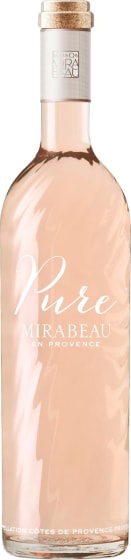
The drink-now tier is built on freshness. Crisp aromatic whites like Grüner Veltliner drink best young, when their green-apple bite and white-pepper lift are at full volume. Provence rosé follows the same rule: it is made for the vintage in your glass, not the one in your cellar, and sparkling wine covers the celebrations you did not plan for. These styles fade rather than improve, so holding them past a few years only costs you their best drinking. The everyday anchor here is a dry rosé or a crisp white you open without occasion. For a red that drinks well tonight, a light Gamay-based bottle from Beaujolais stays supple and juicy with no cellar time at all.
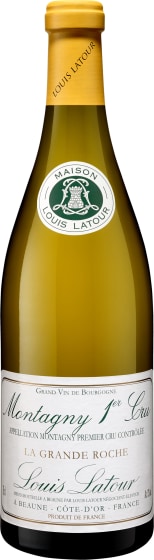
Mid-term bottles reward a few years of patience without asking for a decade. Rioja Reserva is the model. Spanish law requires Reserva reds to age at least three years, one of them in oak, before release, so they arrive already softened and then gain earthy, leathery depth across the next several years. Chianti Classico moves the same way, trading youthful grip for savory dried-cherry character. Age-worthy whites belong here too. A white Burgundy from a cooler site tightens and deepens over this window, turning from simple citrus toward hazelnut and struck stone.
Montagny, Cote Chalonnaise, Burgundy, France ● Chardonnay
94 James Suckling
92 Wilfred Wong
$44.99
$44.99
3. The Long Hold (7+ Years)
The long-hold tier is where the fridge earns its keep for a collector. Premium Bordeaux first growths typically require 15–25 years before reaching peak drinking, so these are slots you set and forget. Barolo and other Nebbiolo reds need similar patience to resolve their firm tannins into rose, tar, and dried cherry. Vintage Port can age 50+ years in bottle, while Ruby and Tawny styles are designed to drink younger. Top-tier Napa Cabernet rounds out the tier, built to hold its structure for a decade or more. If you track allocations, StewardShip and futures access make it easier to secure these bottles on release and hold them yourself rather than chasing them later at auction.
Aging window tells you when a bottle is ready. Occasion tells you which one to reach for. A working fridge keeps a few bottles aimed at each moment you actually host: the weeknight, the crowd, and the milestone.
1. Everyday Weeknight Bottles
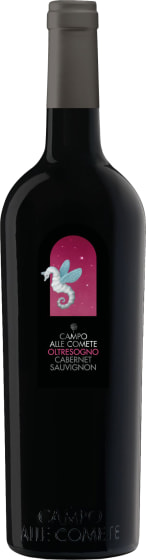
Weeknight bottles have one job: good enough to enjoy, cheap enough to open without a second thought. On the red side, a medium-bodied bottle in the everyday price band, think a supple Tuscan Cabernet, pours easily alongside a midweek dinner and does not demand a special plate to shine. For white, a crisp northern Italian bottle with citrus and almond keeps things simple and pairs with almost anything off the stove. Neither needs decanting or an occasion to justify it.
Entertaining calls for bottles that please a table without a lecture. A crowd-friendly red in the mid price band, like a bold Zinfandel (known as Primitivo in southern Italy), brings ripe fruit and enough generosity to match a mixed menu without clashing with any one dish. For a group, sparkling wine is the safest pour: a dry Spanish Cava has the crispness to open a party and the flexibility to carry it through dinner. Both work whether or not your guests follow wine, which is exactly what you want when the room is full.
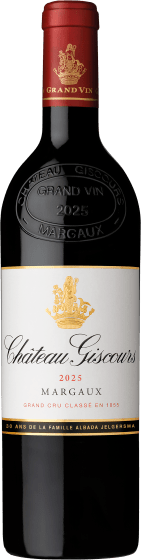
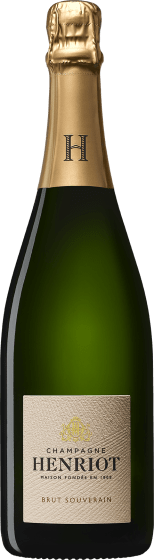
Milestones deserve bottles with real weight behind them. Champagne is the default for good reason: its fine bead and bracing acidity make almost any toast feel earned, and it flatters everything from oysters to the cake. For a still red to mark the moment, a structured bottle from a classified estate carries the gravity a celebration wants, at a collectible price band. Keep one or two of these on hand so a milestone never catches you empty-handed. These are the bottles you buy on purpose, for a date already on the calendar.
A 50-bottle fridge is built for serving and short holds, not decades of deep storage. Knowing that changes what you should buy and when.
What the unit does well: It holds a steady serving temperature and protects bottles safely for months to a few years.
What it does not do: True multi-decade aging asks for stability a compact unit cannot promise. Reserve it for serving and mid-term holds.
Ideal storage conditions: Aim for a steady 10–15 °C (50–59 °F) and around 75% humidity, which keeps corks from drying out.
Avoid temperature swings: Dramatic shifts stress the wine and the cork faster than a slightly warm but stable setting.
Buy-now-drink-later vs. buy-now-drink-now: Most premium California Cabernet enters its peak drinking window between 8–15 years from vintage. A young bottle is a later purchase, not a tonight one.
Keep the mix balanced: As you drink through the drink-now tier, replace those bottles first so the everyday rotation never runs dry.
Wine Fridge Questions, Answered
How Should I Split 50 Bottles Across Drinking and Aging?
Start with roughly half your slots for drink-now wines, about a third for mid-term bottles, and the rest for long holds. That split matches how most people actually drink, with the everyday tier turning over fastest. Think of it as a starting recipe rather than a fixed formula. Adjust it to your habits: if you entertain often, grow the drink-now share; if you are building a cellar, let the long-hold tier creep upward and move the oldest bottles to offsite storage.
Can a 50-Bottle Wine Fridge Actually Age Wine Long-Term?
It can hold wine well for months and up to a few years, which covers serving and mid-term holds. For true multi-decade aging, a compact unit struggles to guarantee the stable temperature and humidity those bottles need over the long run. Use it as a working fridge and a short-term rest stop. Send your longest holds to a dedicated cellar or professional storage, then pull bottles into the fridge as their drinking windows approach. That way the fridge always holds wine that is close to ready.
Which Wines Are Worth Holding for Seven Years or More?
The classics earn their slots: top Bordeaux, Barolo and other Nebbiolo, vintage Port, and top-tier Napa Cabernet. These wines carry the tannin, acid, or fortification that lets them improve rather than fade. Brunello di Montalcino and top red Burgundy sit comfortably in the same company, sharing the same backbone of structure and acidity. Fresh whites, rosé, and light reds do not belong here, since they are built for early drinking. If a bottle is already delicious young, it is usually not a long-hold candidate.
How Many Bottles Should I Keep Ready to Drink at Any Time?
Keep around 20 to 25 bottles in the drink-now tier so you always have something to open. That range gives you variety across whites, reds, rosé, and sparkling without overloading the fridge. Refill this tier first as you drink through it, ideally in small batches so it never dips too low. Rotate in seasonal choices too, leaning toward crisp whites and rosé in summer and heavier reds in winter. The goal is plain: never stand in front of 50 bottles with nothing ready for tonight.
Bringing the Mix Home
The math is the message. Half your fridge for drink-now bottles, about a third for mid-term wines, and the remainder for long holds keeps the everyday rotation full while still reserving slots for Bordeaux and Port to mature. Cover the weeknight, the crowd, and the milestone, and you rarely get caught without the right bottle.
From there, treat the fridge as a living project. Swap a new region into your mid-term tier, test a fresh style in the drink-now slots, and let the long-hold shelf grow as you find bottles worth the wait. With more than 16,000 wines to choose from, there is room to experiment across every window and occasion.