Aging Cabernet Sauvignon, Explained: Flavor, Cellaring, and What to Buy
Cabernet Sauvignon is one of the most age-worthy red wines in the world, built on a structural foundation of firm tannins, deep phenolic concentration, and naturally high acidity. Those three elements work together as a preservation system, allowing well-made Cabernets to evolve in the bottle for a decade or more. The aging arc varies enormously by price and origin: a $20 bottle and a $200 bottle follow completely different timelines, and understanding what separates them is the first step toward cellaring with confidence.
Why Cabernet Sauvignon Ages So Well
Cabernet Sauvignon owes its longevity to a combination of chemistry and composition that few other red varieties can match. The grape produces thick-skinned berries loaded with tannin and anthocyanin, giving the finished wine a dense structural framework that holds up over years of slow oxidation in the bottle. Most premium Napa Cabernets include 5–15% Merlot, Cabernet Franc, Petit Verdot, or Malbec, and those supporting varieties play a meaningful role in shaping how the wine ages.
How Tannins and Acidity Drive the Transformation
Tannins are polyphenolic compounds extracted from grape skins, seeds, and oak barrels during fermentation and aging. In a young Cabernet, they create the dry, gripping sensation on the palate that many drinkers find aggressive. Over time, a process called polymerization causes individual tannin molecules to bond together into longer chains, which feel softer and rounder in the mouth. Micro-oxidation through the cork accelerates this process, gradually smoothing the wine's texture.
Acidity acts as the structural scaffold that holds everything together. A Cabernet with good natural acidity will maintain its freshness and definition for years, while a wine with low acidity tends to flatten and lose energy much sooner. The interplay between tannin resolution and acid retention is what creates the velvet-over-steel texture that defines great aged Cabernet.
What Blending Adds to Aging Potential
Premium Cabernet Sauvignon is rarely a single-varietal wine. Merlot contributes mid-palate generosity and a rounder texture that makes the blend more approachable in its youth without sacrificing structure. Cabernet Franc adds aromatic complexity, introducing floral and herbal notes that become more pronounced as the wine matures. Petit Verdot deepens color and adds a firmer tannic backbone that extends the aging window. Each blending partner fills a gap that Cabernet Sauvignon alone might leave, and the resulting wine often ages more gracefully than a 100% varietal bottling.
How Aging Cabernet Sauvignon Changes the Flavor
The flavor profile of Cabernet Sauvignon shifts through three distinct phases as it ages, moving from primary fruit to secondary complexity to tertiary earthiness. Tracking that progression is one of the most rewarding aspects of cellaring, because each stage offers a genuinely different drinking experience.
What Young Cabernet Tastes Like (1–5 Years)
Young Cabernet is dominated by primary fruit: blackcurrant, dark cherry, and plum, often layered with oak-derived notes of vanilla, toast, and baking spice. The tannins are firm and sometimes astringent, creating a drying grip across the palate. Acidity is bright and forward. These wines can be enjoyable with food, but they rarely show the complexity that time will eventually unlock.
The Sweet Spot: Cabernet at 5–15 Years
This is where the transformation becomes tangible. Primary fruit recedes and secondary flavors emerge: cedar, tobacco leaf, leather, and graphite. The tannins, which once felt angular, begin to integrate into the wine's texture, creating a shift from grippy to smooth. Acidity remains present but moves into the background, providing lift rather than sharpness.
Most premium California Cabernet enters its peak drinking window between 8–15 years from vintage, and this is the stage where the investment in quality fruit, careful extraction, and new oak pays off most visibly. The wine tastes composed, layered, and balanced in a way that younger bottles rarely achieve.
What Happens Past 15 Years
Past the 15-year mark, Cabernet enters tertiary territory. Fresh fruit gives way to dried fig, prune, and raisin. Earthy notes intensify: forest floor, truffle, mushroom, and damp soil. The tannins, if the wine was well-structured to begin with, become almost silky. Structure becomes the main event rather than fruit.
Not every bottle makes it here gracefully. Wines without sufficient acidity or tannin density can collapse, turning thin and hollow rather than complex. The difference between transcendence and decline at this stage comes down to the wine's architecture at bottling, and that architecture is a direct product of vineyard quality, yield management, and winemaking precision.
Cabernet Sauvignon by Price: What to Expect at Every Level
New French oak barrels run $1,200+ per barrel, and a standard barrel holds roughly 300 bottles. That single cost factor begins to explain why a $15 Cabernet and a $75 Cabernet taste fundamentally different: the oak program alone can account for $4 or more per bottle in production cost before factoring in fruit quality, yield, or aging time.
1. Under $25: Drink Within 3 Years
Entry-level Cabernets are built for immediate enjoyment. They typically come from higher-yielding vineyards, see shorter barrel aging in neutral or American oak, and are designed to show bright, forward fruit without the tannic structure needed for extended cellaring. Expect blackberry, cherry, and soft spice, with a smooth finish that rewards drinking within one to three years. J. Lohr has built its reputation on delivering consistent, well-made Cabernet at this tier, demonstrating that accessible pricing and reliable quality are not mutually exclusive.
This is where aging potential begins in earnest. Producers at this tier invest in vineyard selection, a mix of new and neutral French oak, and longer barrel programs that build tannic structure. The resulting wines can cellar comfortably for three to eight years, with some stretching to a decade. Beaulieu Vineyard's Napa Valley Cabernet represents this tier well: sourced from named appellations with genuine site character, aged in quality cooperage, and structured enough to reward patience without demanding it.
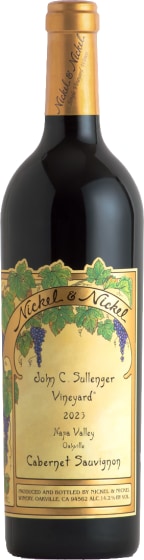
Single-vineyard bottlings typically yield 1–2 tons per acre versus 4–6 tons for broader regional blends, and that concentration shows up directly in the glass. Wines at this tier benefit from extended barrel aging (18–22 months), older vine material, and the kind of site-specific farming that produces complex, layered Cabernets. Aging windows of 8–20 years are realistic for well-stored bottles. Stag's Leap Wine Cellars has long exemplified what this price range delivers: wines with genuine depth, structural integrity, and the ability to evolve meaningfully over a decade or more.
Rutherford, Napa Valley, California ● Cabernet Sauvignon
96 Tasting Panel
93 Wine Enthusiast
Sold Out - was $85.00
4. Over $100: Collectible and Cellar-Worthy
At the top tier, production often drops below 500 cases, and allocation systems with multi-year waitlists become common. These wines combine premium vineyard sourcing, extended new oak aging, and micro-production techniques that maximize concentration and complexity. Aging windows of 15–30+ years are typical, and many of these bottles require a decade or more before they begin to show their full range. Spottswoode has earned its reputation in this space through decades of consistent, site-driven Cabernet from its St. Helena estate.
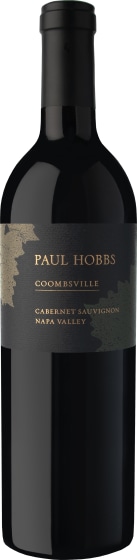
Coombsville, Napa Valley, California ● Cabernet Sauvignon
96 James Suckling
94 Decanter
93 Robert Parker
91 Wine Spectator
$129.99
$129.99
Cabernet Sauvignon Aging by Region
A Napa Valley Cabernet and a Bordeaux from the Left Bank may share the same primary grape, but their aging arcs diverge sharply. Napa's warmer climate produces riper, more fruit-forward wines that tend to drink well earlier, while Bordeaux's higher acidity and firmer tannin structure demand more patience before the wine reaches its stride.
1. Napa Valley, California
Napa Valley Cabernet Sauvignon thrives in a Mediterranean climate that delivers consistent ripeness and generous fruit concentration. The typical aging arc for premium Napa Cabernet runs 5–15 years, with wines showing approachable dark fruit and polished tannins relatively early. Warmer sub-appellations like Oakville and Rutherford tend to produce wines that soften faster, while mountain sites like Howell Mountain and Spring Mountain retain more structure and reward longer cellaring.
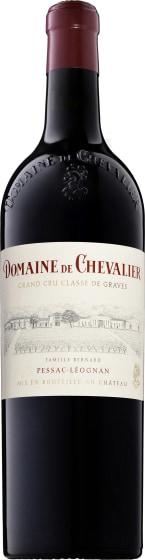
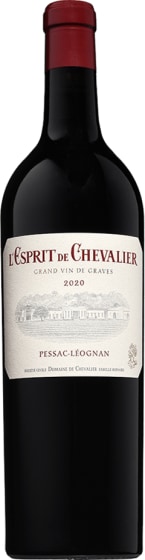
Bordeaux Cabernet follows a slower development curve. Higher natural acidity and more austere tannin profiles mean that classified growths from the Left Bank often need 10–25 years to reach their peak. The maritime climate produces wines with lower alcohol and more restrained fruit, which translates to a longer period of youthful austerity before secondary and tertiary flavors emerge. Patience is not optional here; it is the entire point.
Pessac-Leognan, Bordeaux, France ● Bordeaux Red Blends
95 James Suckling
91 Jeb Dunnuck
91 Vinous
90 Robert Parker
Sold Out - was $39.99
3. Paso Robles and Washington State
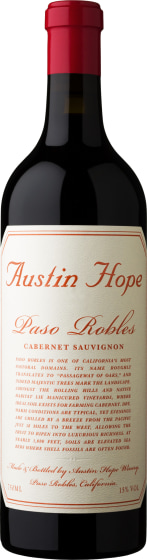
Paso Robles and Washington State represent two of the most compelling emerging cellaring regions for Cabernet. Paso Robles delivers ripe, generous wines with soft tannins and a round texture, typically best between 3–10 years. Washington's Columbia Valley produces Cabernets with higher natural acidity and more angular structure, giving them aging profiles closer to Bordeaux than to Napa. Both regions offer exceptional value relative to Napa and Bordeaux at comparable quality levels.
Paso Robles, Central Coast, California ● Cabernet Sauvignon
$64.99
$64.99
Cellaring and Serving Aged Cabernet Sauvignon
Cellaring essentials:
Temperature: 55°F (13°C) is ideal; consistency matters more than hitting the exact number
Humidity: 50–70% to keep corks from drying out and allowing premature oxidation
Position: Store bottles on their side to keep the cork moist
Light: Keep wines in darkness; UV radiation degrades phenolic compounds over time
Vibration: Minimize movement; vibration disturbs sediment formation and can accelerate chemical reactions
Serving aged Cabernet:
Temperature: Serve at 60–65°F, slightly below room temperature, to let structure and aromatics express themselves
Decanting: Young bottles (under 10 years): 30–60 minutes to open up. Old bottles (15+ years): pour gently with minimal decanting, and watch for sediment
Glassware: A large-bowled Bordeaux glass gives the wine room to breathe and directs aromas toward the nose
Food pairings for aged Cabernet:
Grilled or roasted red meats: The classic match; aged Cabernet's softened tannins complement charred protein without overwhelming the palate
Hard aged cheeses: Parmigiano-Reggiano and aged Gouda work particularly well; their umami character echoes the wine's tertiary savory notes
Mushroom dishes: Truffle risotto or wild mushroom ragout; earthy tertiary flavors in the wine bridge naturally to earthy flavors on the plate
Aging Cabernet Sauvignon Questions, Answered
How Long Should You Age Cabernet Sauvignon?
The answer depends entirely on the wine's structure and price tier. Entry-level Cabernets under $25 are built to drink within one to three years and rarely improve beyond that. Mid-range bottles in the $25–$50 range can cellar for three to eight years with noticeable improvement. Premium Cabernets from $50–$100 often hit their stride between 8–15 years, and collectible bottles over $100 can evolve for 20–30 years or longer. The key variable is not age alone but whether the wine was built with enough tannin, acidity, and concentration to sustain that evolution.
How Can You Tell When an Aged Cabernet Is Ready to Drink?
Look for three signals. First, color: a Cabernet that has shifted from deep purple to garnet or brick-red at the rim is showing signs of maturity. Second, aroma: when primary fruit recedes and you start picking up cedar, leather, tobacco, or earthy notes, the wine is entering its drinking window. Third, taste: tannins should feel integrated and smooth rather than grippy or drying. When in doubt, open one bottle from a case and assess where it stands before committing the rest to more time.
Can You Age Cabernet Sauvignon at Home Without a Wine Cellar?
Yes, with the right conditions. A dedicated wine refrigerator set to 55°F is the most reliable home solution. A cool, dark closet or basement can work for shorter aging periods of one to five years, as long as the temperature stays relatively consistent. Avoid the kitchen entirely: temperature fluctuations from cooking and appliance heat are the fastest way to damage wine in storage. Consistency matters more than precision.
Does Every Cabernet Sauvignon Improve with Age?
No. Most Cabernets priced under $20 are made for immediate drinking. They lack the tannin structure and acidity to evolve meaningfully in the bottle, and holding them for years will not create complexity that was never there to begin with. The question of age-worthiness is really a question about the wine's architecture at release: does it have the structural components to sustain a long, slow transformation, or was it designed to deliver pleasure right now?
How Long Does Cabernet Sauvignon Last Unopened?
A well-stored entry-level Cabernet stays drinkable for three to five years from its vintage date. Premium bottles can remain vibrant for 20–30 years or longer in proper cellar conditions (55°F, 50–70% humidity, no light, no vibration). Once a wine has passed its peak drinking window, it does not become unsafe to drink. It simply loses its fruit, its structural definition, and eventually its pleasure. The decline is gradual, not sudden.
Picking Your Cabernet to Age
Aging wine is a personal practice, and there is no single correct approach. Some drinkers prefer the bright, primary fruit of a young Cabernet, enjoying it the day they bring it home. Others find the deepest satisfaction in the layered complexity of a bottle that has spent a decade or more evolving in a quiet cellar. Both preferences are valid, and the best approach is the one that matches how you actually drink.
Wine.com's catalog spans the full spectrum, from everyday Cabernets designed for tonight's dinner to allocated Napa bottlings built for decades of cellaring. With more than 16,000 wines available for delivery, the selection covers every price tier, region, and aging ambition discussed in this guide.
Whether you are stocking a first wine fridge or adding to a long-standing collection, the starting point is the same: find a bottle that fits your timeline, your palate, and your curiosity. Browse Cabernet Sauvignon at Wine.com to explore the full range.