Barolo 2019 vs 2020, Explained: Style, Aging, and What to Cellar
The critical verdict on Barolo's 2019 and 2020 vintages has not settled into agreement. One camp favors the firm classicism of the first, another the open charm of the second, and both arguments hold up. For a serious cellar, the decision comes down to which year does which job.
Why the Vintage Matters So Much in Barolo
Barolo is made from 100% Nebbiolo, and the rules leave no room for a blending partner. There is nothing to smooth over a difficult growing season, so vintage character shows through far more starkly than it does in a blended red. What the weather gives the grape is what ends up in your glass.
Nebbiolo carries high tannin and bright acidity, and it registers the shape of a season with unusual honesty. A cooler year tends to read as firm, taut, and slow to open. A warmer year softens the edges and pushes the fruit forward. That is why 2019 and 2020 can taste like two different visions of the same hillside, even from the same producer and the same plot. A collector who understands the season understands the wine before the cork is out.
For the groundwork on how Nebbiolo behaves and how it differs from Tuscany's Sangiovese, our Brunello vs. Barolo guide covers that ground in depth. The short version matters here: with one grape and no safety net, the vintage is the story. Reading the year correctly is most of the work of buying Barolo well.
The Two Vintages Side by Side
Set beside each other, 2019 and 2020 read as two arguments for the same grape. One rewards patience, the other rewards a shorter wait.
1. The 2019 Barolo Vintage
The 2019 season produced Barolo in the classic mold. The wines are structured and high-tensile, with cool-fruited depth and a firm spine of tannin. In youth they can feel austere, even closed, holding their aromatics tight against the acidity.
This is a vintage built for the long haul. The tannins are ample and finely drawn, the sort that need years to resolve into something plush. Collectors who like Barolo that tastes of its traditional self, savory, tightly wound, and slow to reveal itself, will find a great deal worth holding here.
On the table, these are wines for slow food and unhurried evenings. A long decant helps in youth, but the real payoff comes from cellar time rather than a few hours in the glass. If your habit is to buy on release and wait, this is the year that best repays the discipline.
The 2020 vintage came from a warmer year, and the wines show it. Tannins are supple and silky, the aromatics lifted, the fruit delicate and red-toned. Many bottles are approachable earlier, with charm you do not have to wait a decade to enjoy.
There is a catch worth knowing. The year ran uneven across the Langhe, and hail cost some northern vineyards part of their crop. Quality is less uniform than it was in the cooler year, so producer selection carries more weight than usual. Choose the estate carefully and the reward is Barolo that goes down easy without giving up its perfume.
For a collector, the appeal is flexibility. You can pour a well-chosen bottle at a dinner this year and still set a few aside to watch how they grow. That kind of range is rare in a region better known for making you wait, which is why the warmer year has won so many admirers.
A split between vintages rewards the producers who hold their standard in any weather. For a collector buying across both years, cross-vintage consistency is what makes it safe to commit to 2019 and 2020 at once. A few Langhe estates earn that trust with sites and cellar habits that translate from a firm year to a generous one.
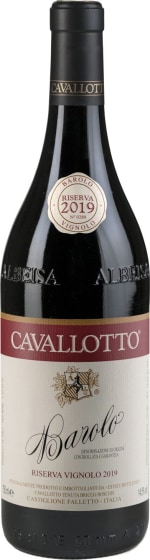
1. Cavallotto
Cavallotto farms the Bricco Boschis cru as a single family estate, and that continuity shows in the bottle. The site sits on marl-rich slopes that give structure and freshness in equal measure, a combination that holds up whether the year runs cool or warm. The house style leans traditional, with long macerations and patient aging in large oak.
That approach is why the estate reads as a benchmark you can count on. Its wines tend to carry a savory core of tar, dried rose, and red cherry that stays recognizable across seasons. The firm years gain polish here, and the softer years keep their backbone. For a cellar that wants a fixed reference point, this is one.
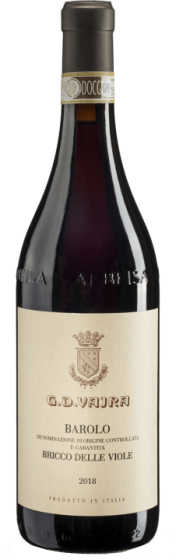
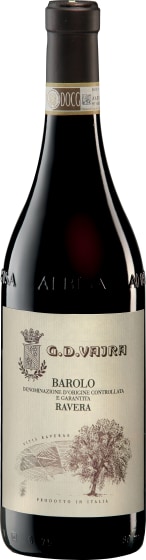
G.D. Vajra works high-elevation vineyards, with the Bricco delle Viole among the loftiest sites in the Barolo zone. That altitude preserves acidity and lift, which gives the wines a bright, aromatic frame no matter the vintage. In a structured year it keeps the fruit fresh; in a supple year it keeps the wine from turning soft.
The result is a house style that translates cleanly across both 2019 and 2020. Expect floral lift, sappy red fruit, crushed stone, and a long saline finish. The wines rarely feel too heavy in a warm year or too severe in a cool one. It is Barolo that balances charm and grip without leaning too far either way.
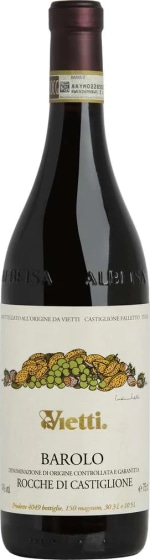
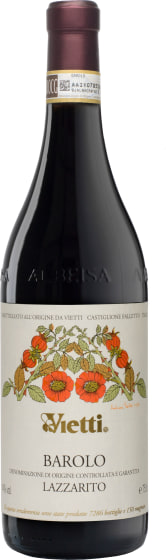
Vietti built its reputation on a range of single-vineyard Barolo drawn from across the Langhe. That breadth is the point: sourcing from several crus lets the estate play to whatever a given season offers. When one site struggles, another carries the year.
Consistency here comes from blending know-how and a deep bench of vineyards rather than a single signature plot. The wines pair power with polish, showing dark cherry and cured-meat depth over ripe, well-groomed tannins. That breadth also gives a buyer options, from an early-drinking cru to a bottling worth burying for a decade. Across firm and open years alike, the standard holds.
The buying decision between these two vintages is really a decision about time. Top Barolo typically needs 10–15 years to soften its structural tannins, and each year sits at a different point on that curve. The cooler vintage asks for more of that wait, while the warmer one shortens it. If you are building depth in a Barolo collection, the smart move is to split the two years by purpose rather than pick a single winner.
Hold for the long game: 2019, structured and slow to soften Drink on the nearer horizon: 2020, supple and open earlier
From there the plan is straightforward. Match the vintage to the job, and let producer quality guide your 2020 picks.
Buy 2019 to hold: its firm tannins and cool-fruited structure reward a decade or more of patience in the cellar
Buy 2020 to drink sooner: the supple texture and lifted aromatics are accessible years earlier, so these bottles suit nearer-term drinking
Mind the drinking windows: a serious 2019 needs most of that long arc before its tannins turn plush, while many 2020s open well before then
Watch producer selection in 2020: the warm year ran uneven and hail hit parts of the north, so lean on proven estates rather than bargain hunting
Barolo Vintage Questions, Answered
Is the 2019 or 2020 Barolo Vintage Better?
Neither wins outright, and the split among critics reflects that. The 2019 wines are classic and structured, built for cellaring and rewarding to those who wait. The 2020 wines are supple and approachable, offering charm and perfume with far less time in the rack. Better depends entirely on your goal, so match the year to what you actually want from the bottle.
Which Vintage Should I Cellar, 2019 or 2020?
For long-term cellaring, 2019 is the more natural choice. Its firm tannins and taut frame need years to unwind, and they hold their fruit over a long stretch. The 2020 vintage can certainly age, but its softer structure means it peaks sooner and is easier to enjoy young. Cellar 2019 for patience and 2020 for flexibility.
How Long Will 2019 and 2020 Barolo Age?
Top Barolo generally needs 10–15 years to shed the grip of its tannins, and both vintages sit on that arc. The 2019 wines lean toward the longer end, since their structure resolves slowly. The 2020 wines reach an enjoyable stage earlier, though the best examples still have room to develop. A well-stored bottle from either year can hold and improve for a good while past that softening point.
Can I Drink 2020 Barolo Now?
Yes, and that is part of the appeal. The warm year gave these wines supple tannins and forward red fruit, which makes them pleasant while they are still young. A short decant helps the aromatics open and takes the edge off any youthful firmness. Pair it with something rich, like braised beef or a hard alpine cheese, and the tannins settle further. You will lose some of the complexity that comes with age, but the wine drinks well today.
Your Next Bottle
Three things carry over from here. Buy 2019 when you want structure to cellar and the patience to wait a decade for it. Buy 2020 when you want Barolo you can enjoy sooner, and lean on proven producers, since the warm year ran uneven.
Both vintages are worth owning for different reasons, and you do not have to choose only one. Wine.com carries more than 16,000 wines, including both the 2019 and 2020 Barolo vintages alongside older collectible bottles ready to drink now.
Whether you are building for the long haul or filling the near-term shelf, the range is here to match the plan. Browse Barolo at Wine.com and set aside a few of each.