The Rioja Aging Ladder, Explained: Crianza, Reserva, and Gran Reserva
Crianza, Reserva, and Gran Reserva are Spain's oak-and-bottle aging classifications, not quality grades. Each word tells you the minimum time a wine spent in barrel and in bottle before it could be released. They describe a process, not a verdict on how good the wine tastes.
Spanish Wine Aging At A Glance
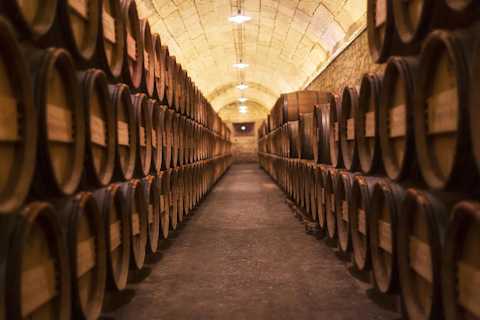
A new American oak barrel costs around $400, less than half the price of a new French oak barrel at $1,200 or more. That gap matters because Rioja leans historically on American oak. The classification itself measures two things: minimum time in the barrel plus minimum time in the bottle before release, all set by the region's governing body, the Consejo Regulador.
What The Aging Clock Actually Measures
The clock splits into two counts: months in the oak barrel and months resting in the bottle. Premium Rioja reds typically spend 12–24 months in barrel, which frames where the tier thresholds sit. Oak time softens tannin and adds spice and vanilla. Bottle time does quieter work, letting the wine knit together and develop the leather and dried-fruit notes that come with age. Every figure the classification names is a minimum, never a ceiling. A producer can always hold a wine longer, and many choose to.
Why More Age Doesn't Always Mean Better
More time in oak does not automatically make a wine better. The tier is a floor, not a promise about quality. A well-made Crianza can easily outshine a tired Gran Reserva from a weaker producer. What the tier reliably signals is style and structure: how much oak and bottle age shaped the wine, and roughly what to expect in the glass.
How To Spot The Tier On The Label
Spanish wine carries its aging tier on a small seal on the back label. Each tier gets its own colored band, a way to read the category before you ever pull the cork. Learn the colors and you can sort a shelf at a glance, no tasting required.
Crianza, Reserva, And Gran Reserva, Side By Side
The three tiers form a ladder, each demanding more time than the rung below. The rules also shift by wine color, with reds held to the longest requirements and whites and rosés to shorter ones. Here is how each tier breaks down, from the freshest to the most age-worthy.
1. Crianza
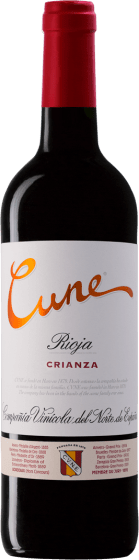
Crianza is the entry rung of the ladder and the most widely produced tier. Red Crianza must age at least two years total, including a minimum of 12 months in oak. Whites and rosés carry a lighter rule, roughly six months in barrel. Built mostly on Tempranillo, this is the freshest and most approachable style, all bright red fruit with a light frame of oak spice.
A good Crianza pick gives you a wine that is ready to drink the day you buy it. Expect easy fruit and just enough oak to add depth without weighing the glass down.
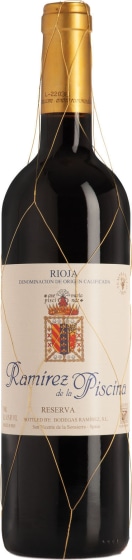
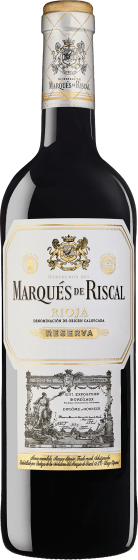
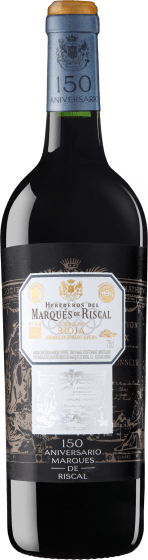
Reserva sits a step up, saved for stronger vintages and better fruit. Red Reserva must age at least three years total, with a minimum of 12 months in oak plus at least six months in bottle. White Reserva ages two years total, with at least six months in oak. That extra bottle time builds complexity and balance, layering tertiary aromas of leather and tobacco over the fruit.
A Reserva pick rewards a little patience and a proper meal. It trades some of the Crianza's upfront fruit for savory depth and a smoother, more resolved texture.
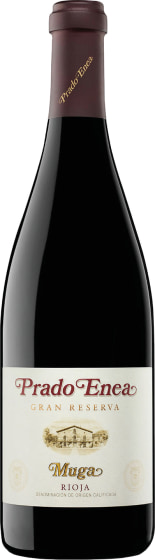
Gran Reserva is the top rung, made only in the best vintages. Red Gran Reserva must age at least five years total, including a minimum of 24 months in oak and at least 24 months in bottle. White Gran Reserva ages four years total, with around six months in oak. This is the most structured and savory style, built to hold for decades and often released only once it is already drinking well.
A Gran Reserva pick is a wine that has done its waiting for you. Expect mature, complex flavors and a long finish, the kind of bottle you open when the occasion calls for it.
The three words are not unique to Rioja. Across Spain, the same Crianza, Reserva, and Gran Reserva tiers appear on wines from many regions, and the aging math usually holds steady. In Ribera del Duero, the minimum oak and bottle requirements match Rioja's almost exactly, though the grape wears a different name there. The same Tempranillo goes by Tinto Fino or Tinta del País in Ribera, an alias worth knowing when you compare two labels.
Outside Spain, the terms lose their legal teeth. In Argentina, producers borrow words like Reserva and Gran Reserva, but no single authority enforces a fixed aging minimum, so the label signals ambition more than a guaranteed timeline. Two Argentine bottles marked Reserva can sit years apart in actual barrel time. That is the key difference: in Rioja the word is a rule, while abroad it often reads as a house style.
The rules also flex by color everywhere they appear. Whites and rosés carry shorter oak requirements than reds, which is why a white Reserva ages far less than its red counterpart. The logic is practical, since delicate white fruit fades under long oak while red tannin needs the time to settle. Knowing that keeps your expectations honest when a white and a red share the same tier name.
What To Spend On Rioja
The price climb from Crianza to Gran Reserva tracks time and money, not markup for its own sake. Every month a wine spends in oak and bottle is a month the producer waits to sell it, with capital and barrel space tied up the whole while. Those barrels are not cheap: a new American oak barrel runs about $400, and a new French oak barrel starts at $1,200. A tier that demands 12 to 24 months or more in wood carries that cost straight into the bottle.
Crianza: value band, roughly under $25, made to drink on release
Reserva: mid band, roughly $25–$60, drinks well now and holds for a few years
Gran Reserva: premium band, $60 and up, priced for the cellar time already spent
The tier also tells you which buying strategy fits. Crianza is a buy-now-drink-now wine, Reserva gives you room to wait or pour tonight, and Gran Reserva lets you buy a wine whose patient aging is largely done or hold it further.
What To Eat With Rioja
Rioja pairs by structure: the more age and tannin in the glass, the heartier the plate it can carry. Match the tier to the meal and both sides taste better.
Crianza: tapas and grilled fare, from grilled lamb to chorizo and jamón
Reserva: roast meats and aged cheeses, where savory depth meets richer cooking
Gran Reserva: slow roasts and game, dishes with enough weight to stand up to its frame
The through-line is acidity. Every tier keeps a fresh, food-friendly backbone, which is what makes Rioja such a natural dinner wine. Fat and salt are the friends to look for on the plate, since both soften tannin and let the fruit come forward. Aim the youngest wine at the boldest, smokiest flavors and let the oldest bottle sit beside the gentlest roast.
Rioja Aging Questions, Answered
Is Gran Reserva Better Than Crianza, Or Just Older?
Older, mostly, and built differently. Gran Reserva spends far more time in oak and bottle, which gives it more structure and mature, savory flavors. That does not make it the better choice for every occasion. A fresh Crianza can be the smarter pour for a casual meal, while a Gran Reserva rewards a slower night. Quality still comes down to the producer and the vintage, not the tier alone.
Which Tier Is Worth Cellaring, And Which Should I Drink Now?
Crianza is made to drink on release and rarely needs cellar time. Reserva can improve for a few years, but it is also ready the day you buy it. Gran Reserva is the true cellar candidate, built to hold and evolve for a decade or more. If you want a wine to lay down, reach for Gran Reserva. If you want to open something tonight, Crianza and Reserva have you covered.
Do These Classifications Apply Outside Rioja?
Yes, across Spain, and the aging math usually matches. Ribera del Duero, for example, holds its Crianza, Reserva, and Gran Reserva wines to nearly the same oak and bottle minimums. Outside Spain, the words carry less weight. In Argentina and other New World regions, producers use Reserva and Gran Reserva loosely, without a single body enforcing a fixed rule. Read those labels as a signal of intent rather than a guarantee.
Do The Aging Rules Change For White And Rosé Rioja?
They do, and by a wide margin. White and rosé Rioja carry much shorter oak requirements than the reds at every tier. A red Crianza needs 12 months in oak, while a white or rosé needs only about six. The same gap holds all the way up the ladder, so a white Gran Reserva ages far less time than a red one. The color of the wine changes the math.
What Grapes Are These Wines Made From?
Tempranillo is the backbone of red Rioja and drives most blends. Garnacha, known as Grenache in France, adds body and ripe fruit. Graciano contributes color and bright acidity in smaller amounts. Mazuelo, which goes by Cariñena in Spain and Carignan in France, adds structure and grip. Most Rioja is a blend of these grapes, part of why the wines age so gracefully.
Where To Start With Rioja
The ladder gives you a simple cheat sheet. Reach for a Crianza on a weeknight when you want fruit and freshness without fuss. Pour a Reserva for a proper dinner built around roast meat or aged cheese. Save a Gran Reserva for a special occasion or the cellar, when structure and mature depth earn the spotlight.
The best way to learn the tiers is to taste them next to each other. Open a Crianza, a Reserva, and a Gran Reserva across a few weeks and track how oak and bottle age reshape the same grape. Wine.com carries all three tiers from a deep range of producers, which makes that kind of comparison easy to set up.
Ready to build your own flight? Browse Rioja at Wine.com and start with whichever rung fits your next meal.