Red Wine 56 Items

You're no longer following this brand
You'll no longer receive alerts for new arrivals and brand updates
- Non-Vintage 435
- 2025 58
- 2024 189
- 2023 686
- 2022 1473
- 2021 1788
- 2020 2184
- 2019 2605
- 2018 2696
- 2017 2557
- 2016 3223
- 2015 4429
- 2014 5928
- 2013 6838
- 2012 7629
- 2011 6484
- 2010 6350
- 2009 5404
- 2008 3811
- 2007 3496
- 2006 2839
- 2005 2568
- 2004 1678
- 2003 1340
- 2002 830
- 2001 1032
- 2000 1095
- 1999 741
- 1998 629
- 1997 461
- 1996 329
- 1995 270
- 1994 144
- 1993 84
- 1992 39
- 1991 24
- 1990 86
- 1989 68
- 1988 clear Vintage filter
- 1987 22
- 1986 49
- 1985 48
- 1984 11
- 1983 28
- 1982 42
- 1981 22
- 1980 11
- 1979 12
- 1978 10
- 1977 2
- 1976 5
- 1975 9
- 1974 1
- 1973 4
- 1972 2
- 1971 4
- 1970 10
- 1967 1
- 1966 6
- 1964 5
- 1962 3
- 1961 3
- 1959 6
- 1955 2
- 1954 1
- 1953 1
- 1952 1
- 1947 1
- 1945 2
- 1943 1
- 1941 1
- 1910 2
- 1908 1
-
Gift Type Any
-
Occasion Any
-
Variety Any
-
Varietal Red Wine
-
Region Any
-
Availability Include Out of Stock
-
Size & Type Any
-
Fine Wine Any
-
Vintage 1988
-
Reviewed By Any
-
Sort By Relevancy
-
 Ships Sat, May 30Limit 0 per customerSold in increments of 0
 -
 Ships Thu, May 28Limit 0 per customerSold in increments of 0
 -

 Opus One (scuffed label) 1988Napa Valley, California ● Bordeaux Red Blends
-
Robert
Parker
- Collectible
Ships Sat, May 30Limit 0 per customerSold in increments of 0 -
Robert
-
 Chateau Latour 1988Pauillac, Bordeaux, France ● Bordeaux Red Blends
-
Wine
Spectator -
Robert
Parker
- Collectible
Ships Sat, May 30Limit 0 per customerSold in increments of 0 -
Wine
-
 Ships Tue, May 26Limit 0 per customerSold in increments of 0
 -
 Ships Sat, May 30Limit 0 per customerSold in increments of 0
 -
 Rombauer Le Meilleur de Chai Red (1.5 Liter Magnum) 1988Napa Valley, California ● Bordeaux Red Blends
- Collectible
Ships Sat, May 30Limit 0 per customerSold in increments of 0 -
 Ships Sat, May 30Limit 0 per customerSold in increments of 0
 -
 Ships Sat, May 30Limit 0 per customerSold in increments of 0
 -
 Ships Sat, May 30Limit 0 per customerSold in increments of 0
 -
 Pahlmeyer Caldwell Vineyard Napa Valley 1988Napa Valley, California ● Bordeaux Red Blends
- Collectible
Ships Sat, May 30Limit 0 per customerSold in increments of 0 -
Ships Sat, May 30Limit 0 per customerSold in increments of 0
-
 Ships Sat, May 30Limit 0 per customerSold in increments of 0
 -
Ships Sat, May 30Limit 0 per customerSold in increments of 0
-
 Opus One (6 Bottles in OWC) 1988Oakville, Napa Valley, California ● Bordeaux Red Blends
- Collectible
Ships Sat, May 30Limit 0 per customerSold in increments of 0 -
 Sean Thackrey Taurus Mourvedre 1988Central Coast, California ● Other Red Blends
-
Robert
Parker
- Boutique
Ships Sat, May 30Limit 0 per customerSold in increments of 0 -
Robert
-
 Ships Sat, May 30Limit 0 per customerSold in increments of 0
 -
 Ships Sat, May 30Limit 0 per customerSold in increments of 0
 -
Ships Sat, May 30Limit 0 per customerSold in increments of 0
-
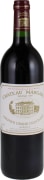 Chateau Margaux (stained label) 1988Margaux, Bordeaux, France ● Bordeaux Red Blends
-
Wine
Spectator -
Robert
Parker -
James
Suckling
- Collectible
Ships Sat, May 30Limit 0 per customerSold in increments of 0 -
Wine
-
 Ships Sat, May 30Limit 0 per customerSold in increments of 0
 -
 Ships Tue, May 26Limit 0 per customerSold in increments of 0
 -
Ships Sat, May 30Limit 0 per customerSold in increments of 0
-
 Ships Wed, May 27Limit 0 per customerSold in increments of 0
 -
Ships Sat, May 30Limit 0 per customerSold in increments of 0
Browse by Category
Red White Sparkling Rosé Spirits GiftsLearn about red wine — the range of styles, how it’s made and more ...
What are the types and styles of red wine?
There are hundreds of types of red wine varieties in commercial use, from light and finessed to bold and structured, however, only about 35 varieties contribute to the majority of red wine production. The most grown grape varieties are:
- Cabernet Sauvignon. Power, elegance and complexity.
- Merlot. Soft mouthfeel.
- Tempranillo. Red and black fruit, earth and herbs.
- Syrah. Dark fruit, pepper, spicy and savory.
- Grenache. Ripe red fruit and sexy texture.
- Pinot Noir. Earthy, silky and complex.
- Sangiovese. Red fruit, earthy and herbal.
How is red wine made?
To make red wine, the pressed grape juice is left in contact with its skins—a process called maceration—to draw out color, tannins and phenols (compounds responsible for the complex aromas and flavors in wine). With fermentation complete, the wine is aged in tank or barrel. Short aging results in a fresh, fruity red. To allow time for flavors to integrate, more complex wines need to age longer, often in oak barrels, which may impart notes of toast, vanilla or coconut.
What gives red wine its color?
Grape juice is almost colorless. Color comes from maceration, when the juice is left in contact with grape skins. Longer macerations result in deeper red tones, but grape variety hues vary. For example, wines made from Nebbiolo are pale garnet, Merlot is bright ruby and Syrah opaque purple.
How do you serve red wine?
Temperature is key. Aim for 55° F to 60° F for lighter reds and 60° F to 65° F for fuller ones. A wine served too cold will be muted. Serve it warm and it will taste too alcoholic. If you have a wine fridge or cellar, you’re set. If not, place the bottle in your refrigerator for 20-30 minutes prior to serving. Next, some reds benefit from a few minutes or more of aeration in a decanter. This exposes the wine to oxygen, which helps release the compounds responsible for aroma and taste. As for drinking red wines, the best glasses have a stem and a bowl large enough to allow proper swirling to allow release of aromas. Fill your glass no more than halfway.
How long does red wine last?
Opened and re-corked, a bottle will stay fresh in your fridge for one to two days, a bit longer for more tannic reds. (We have ideas for what to do with leftover red wine if you don’t get back to it quickly). Unopened, red wines stay good for one year to several decades. Optimal storage means bottles lay on their sides in a moderately humid environment at 57° F, but assessing how long to age a bottle is complicated. Seek a wine professional for advice if you are unsure.
Pairing red wine with food
These guidelines will help you make the most of red wine pairing options.
- If a sauce is involved, focus more on that than the protein. For example, considering Coq Au Vin, play off the pancetta, mushrooms and wine with an earthy Pinot Noir.
- Match intensity levels, i.e. a bold red with a bold dish, lighter with lighter. Spice-rubbed lamb kabobs go perfectly with a bold Syrah from Columbia Valley, Washington.
- A highly tannic red pairs well with fatty foods. Dolcetto is amazing with a cheese and charcuterie plate.
- High acid foods call for high acid wines. Ever wonder Barbera and Sangiovese are so ubiquitous in Italy? As high acid wines, both are perfect matches to anything involving tomato sauce.
- Beware of dry red with dessert! Your wine should be sweeter than the treat. Try Tawny Port with dark chocolate for a match made in heaven.
Popular red wine regions
While every U.S. state produces wine, the most famous and popular regions remain those on the west coast:
- Napa Valley. First commercial winery 1861. Cabernet.
- Sonoma County. Since mid-1800’s. Pinot Noir, Zinfandel and Cabernet.
- Paso Robles. 1880’s. Cabernet, Zinfandel and Rhone varieties.
- Santa Rita Hills. 1971. Pinot Noir.
- Willamette Valley, Oregon. 1965. Pinot Noir.
- Columbia Valley, Washington (and part of northern Oregon). 1860’s. Merlot, Syrah and Cabernet.
Worldwide, wine destinations abound, with the most venerated in Europe. The last four are popular New World regions.
- Bordeaux, France. As early as 60 BC. Based on Merlot and Cabernet.
- Burgundy, France. From 2nd century AD. Pinot Noir.
- Tuscany, Italy. From 8th century BC. Based on Sangiovese, plus “Super Tuscans” made with other reds.
- Rioja, Spain. From 11th century BC. Based on Tempranillo.
- Stellenbosch, South Africa. 1680’s. Cabernet, Merlot, Shiraz, Pinotage.
- Mendoza, Argentina. Late 1800’s. Malbec and others.
- Colchagua Valley, Chile. 1870’s. Cabernet, Merlot and Carmenere.
- Barossa Valley, Australia. 1842. Shiraz and others.
Sweet red wine
Whether light and effervescent (e.g., Lambrusco and Brachetto d’Acqui) or bold and fortified (Port and Bual Madeira), sweet red wines can be terrific on their own or with a range of desserts.
Dry red wine
A dry red occurs when fermentation continues until most or all grape sugars have been converted to alcohol. Most common red wines on the shelf – Cabernet, Merlot, Syrah, etc.—are dry wines. Since dry wines have little to no residual sugar, they also have fewer calories, especially when comparing them to Champagne and sparkling wines.
Smoothest red wine
Red wines are perceived as smooth when their tannins are either naturally low, have been carefully managed by the winemaker or have partially fallen out of suspension due to aging. Red varieties with lower tannins include Pinot Noir, Grenache, Gamay, Barbera and Corvina.