St-Émilion Bordeaux, France 1 Items
You're no longer following this brand
You'll no longer receive alerts for new arrivals and brand updates
- Non-Vintage 1
- 2025 15
- 2024 3
- 2023 15
- 2022 70
- 2021 47
- 2020 109
- 2019 110
- 2018 115
- 2017 63
- 2016 111
- 2015 145
- 2014 138
- 2013 64
- 2012 192
- 2011 165
- 2010 191
- 2009 158
- 2008 85
- 2007 56
- 2006 76
- 2005 152
- 2004 51
- 2003 59
- 2002 22
- 2001 36
- 2000 85
- 1999 33
- 1998 42
- 1997 20
- 1996 27
- 1995 20
- 1994 11
- 1993 5
- 1992 2
- 1990 8
- 1989 7
- 1986 4
- 1985 4
- 1983 3
- 1982 6
- 1981 1
- 1980 clear Vintage filter
- 1971 1
- 1970 1
- 1966 1
- 1964 1
- 1962 1
- 1961 1
- 1955 1
- 1943 1
-
Gift Type Any
-
Occasion Any
-
Variety Any
-
Varietal Red Wine
-
Region St. Emilion
-
Availability Include Out of Stock
-
Size & Type Any
-
Fine Wine Any
-
Vintage 1980
-
Reviewed By Any
-
Sort By Relevancy
-
 Ships Sat, May 30Limit 0 per customerSold in increments of 0
Browse by Category
Red White Sparkling Rosé Spirits GiftsLearn about St-Émilion wine, common tasting notes, where the region is and more ...
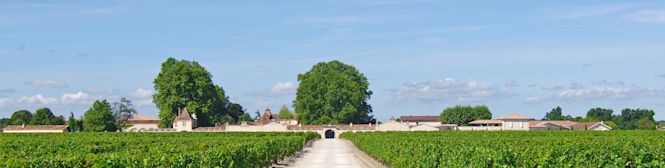
Marked by its historic fortified village—perhaps the prettiest in all of Bordeaux, the St-Émilion appellation, along with its neighboring village of Pomerol, are leaders in quality on the Right Bank of Bordeaux. These Merlot-dominant red wines (complemented by various amounts of Cabernet Franc and/or Cabernet Sauvignon) remain some of the most admired and collected wines of the world.
St-Émilion has the longest history in wine production in Bordeaux—longer than the Left Bank—dating back to an 8th century monk named Saint Émilion who became a hermit in one of the many limestone caves scattered throughout the area.
Today St-Émilion is made up of hundreds of independent farmers dedicated to the same thing: growing Merlot and Cabernet Franc (and tiny amounts of Cabernet Sauvignon). While always roughly the same blend, the wines of St-Émilion vary considerably depending on the soil upon which they are grown—and the soils do vary considerably throughout the region.
The chateaux with the highest classification (Premier Grand Cru Classés) are on gravel-rich soils or steep, clay-limestone hillsides. There are only four given the highest rank, called Premier Grand Cru Classés A (Chateau Cheval Blanc, Ausone, Angélus, Pavie) and 14 are Premier Grand Cru Classés B. Much of the rest of the vineyards in the appellation are on flatter land where the soils are a mix of gravel, sand and alluvial matter.
Great wines from St-Émilion will be deep in color, and might have characteristics of blackberry liqueur, black raspberry, licorice, chocolate, grilled meat, earth or truffles. They will be bold, layered and lush.