


Winemaker Notes
Pale straw appearance. Aromas of citrus, honeysuckle, green apple, and pear. On the palate, the wine delivers a zesty, crisp acidity, including fl avors of lemon, lime, and tropical fruits. Medium bodied, with a nice structure and a long finish.
Blend: 50% Voskehat, 50% Khatuni
Professional Ratings
-
Tasting Panel
A blend of 50% Voskehat and 50% Khatuni, this dry white possesses exotic, pronounced aromas of jasmine and ripe apricot. The sensation of lemon oil is slick on the tongue. Chamomile and pine nut linger atop a mineral base for an extended period on the finish.
-
Jeb Dunnuck
Pouring a bright silver/yellow color, the 2020 Dry White Wine comes from a site at an elevation over 1300 feet, The wine was produced without oak, and it’s fresh and floral with notes of lime leaf, citrus, and white, chalky soils with some limestone. It’s pretty on the palate, with notes of starfruit, melon, apple skin, quince, citrus blossoms, and crushed stones. It has a powdery, pretty, floral texture, a delicately savory, dewy feel, and a clean finish.

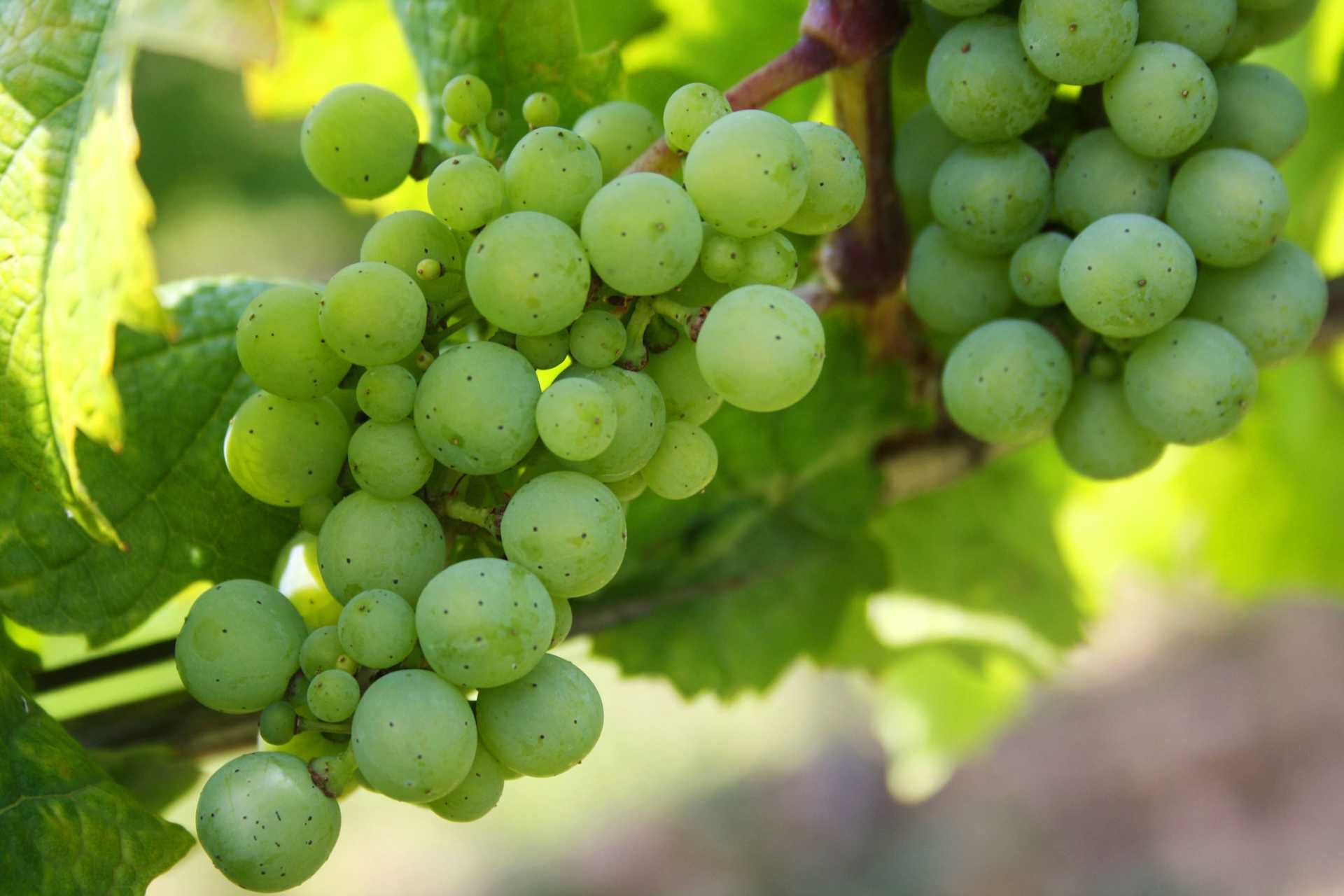
With hundreds of white grape varieties to choose from, winemakers have the freedom to create a virtually endless assortment of blended white wines. In many European regions, strict laws are in place determining the set of varieties that may be used in white wine blends, but in the New World, experimentation is permitted and encouraged. Blending can be utilized to enhance balance or create complexity, lending different layers of flavors and aromas. For example, a variety that creates a soft and full-bodied white wine blend, like Chardonnay, would do well combined with one that is more fragrant and naturally high in acidity. Sometimes small amounts of a particular variety are added to boost color or aromatics. Blending can take place before or after fermentation, with the latter, more popular option giving more control to the winemaker over the final qualities of the wine.

Sitting just north of Iran and east of Turkey, Armenia is a mountainous and land-locked ex-Soviet republic. As part of the Transcaucasion region, which includes eastern Turkey, Azerbaijan and Georgia, Armenia is among the oldest of wine growing regions. While the prevalence and popularity of Armenian winemaking has evolved over the centuries, the wild vine Vitis vinifera silvestris (an ancestor of today’s Vitis vinifera wine-producing species) has been growing here for over a million years. Today the majority of the grapes grown in Armenia go to Brandy production, but the rising demand for Armenian wine in its most popular market, Russia, is fueling growth of still wine production. Most of the country’s wines come from the regions of Armavir, Ararat and Vayots Dzor. Though Armenia lays claim to hundreds of indigenous varieties, it uses only about 30 for the majority of its wine production, three quarters of which is white. The key white varieties include Chilar, Lalvari and Voskehat; for reds, Kakhet, Areni and Khndogni (also known as Sireni) are the main players.