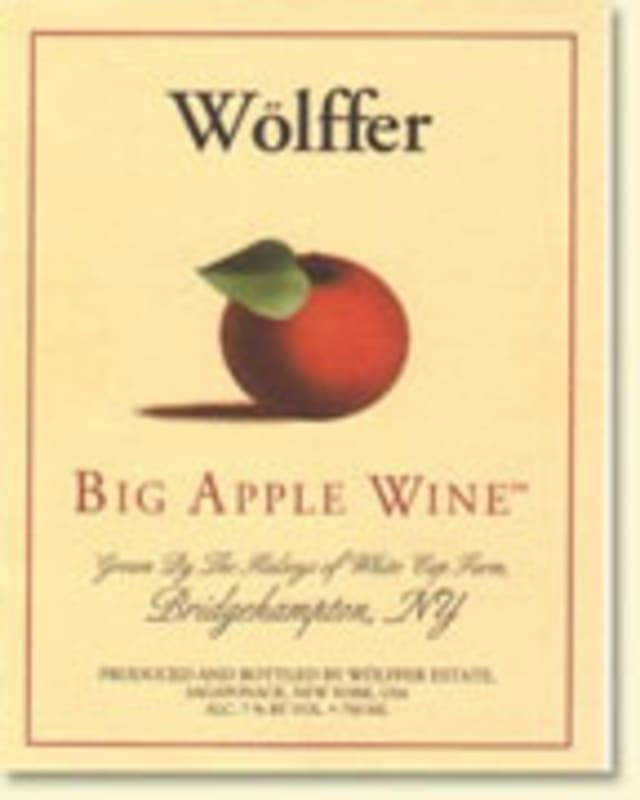

Winemaker Notes
20% Braeburn, 20% Gold Rush, 20% Pink Lady, 20% Fuji, 9% Ida Red, 6% Jonagold, 5% Mutsu. Grown by the Halseys of White Cap Farm in Watermill, New York. After a wonderful growing season, the fresh pressed apple juice came from the above blend of apples, of which each contributes a distinct character. After pressing the apples on March 3rd, 2008 at the White Cap Farm in Bridgehampton, we brought the juice to the Wölffer Estate winery to cold settle for 7 days. The juice was carefully racked and inoculated with the wine yeast Cote de Blanc to start fermentation. The fermentation was done at a very cool temperature, 62°, and was stopped after 8 days to preserve some of the natural sugar by chilling the wine and by racking it off the yeast. The Apple wine was filtered and bottled on April 15th, 2008 resulting in 932 cases.
Clear and light yellow in color. Elegant sweet perfume of fresh apples with some fine creamy yeast characters filling the nose. Light-bodied, the mouth-feel is clean and vibrant. The fresh, ripe apple flavors are focused and the crisp acidity is well balanced by the residual sugar. The wine has a lively zing and a beautiful finish.
Best served chilled, it is wonderfully thirst-quenching when mixed with sparkling water, and a great companion to antipasti and any other light fare. In the kitchen it is a fabulous condiment for sauces and reductions. Especially suited to accompany fruit pies or any other fruit-driven dessert.
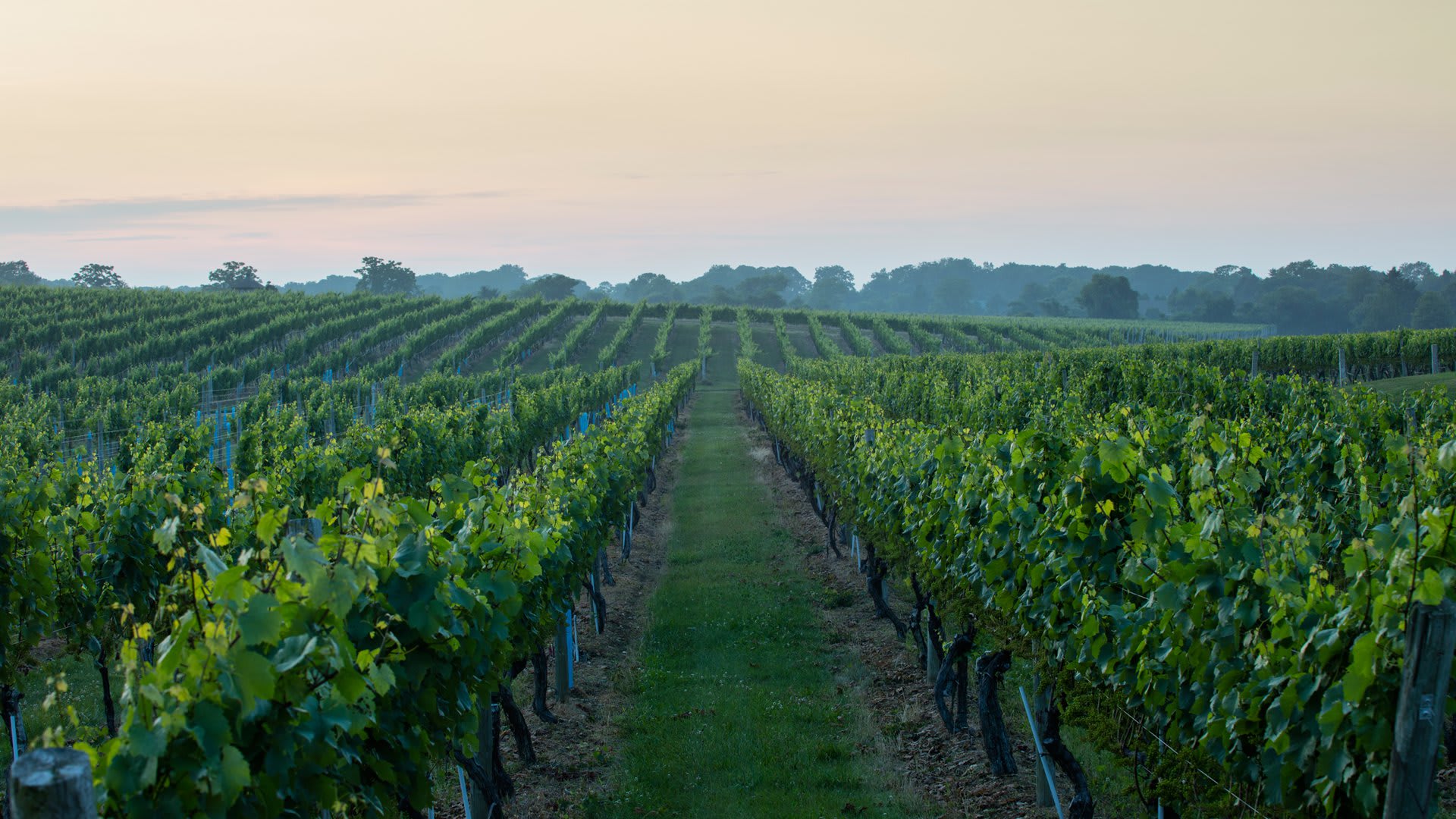


For over 30 years, Wölffer Estate Vineyard has been known as one of the finest producers on the East Coast and a center for innovation and hospitality. They are committed to producing premium, distinctive wines, ciders and spirits through a dedication to quality, penchant for style and celebration of place.
Wölffer Estate was founded in 1988 by Christian Wölffer, a man with great creative vision and a huge passion for life. The estate today is owned and operated by his children, Marc and Joey Wölffer and Winemaker/Partner Roman Roth. The estate spans approximately 170 acres including the acclaimed 55 acre sustainably farmed vineyard located in Sagaponack, NY. They also own 28 acres on the North Fork of Long Island, 200 acres in Mendoza, Argentina and 2.5 acres in Mallorca, Spain. Finally, they partner with carefully selected growers on 338 acres on the North Fork of Long Island as well as 1,750 acres in Côtes de Provence, France.
The unique combination of Bridgehampton loam soil and breezes from the Atlantic Ocean, located 2.6 miles from the estate, provide maritime conditions perfect for achieving the balance of ripeness and acidity that has come to define Wölffer’s signature style: food friendly, elegant and built for longevity. Their dry ciders and gin have extended Wölffer quality into new categories, exemplifying their drive for innovation and excellence.

Apart from the classics, we find many regional gems of different styles.
Late harvest wines are probably the easiest to understand. Grapes are picked so late that the sugars build up and residual sugar remains after the fermentation process. Ice wine, a style founded in Germany and there referred to as eiswein, is an extreme late harvest wine, produced from grapes frozen on the vine, and pressed while still frozen, resulting in a higher concentration of sugar. It is becoming a specialty of Canada as well, where it takes on the English name of ice wine.
Vin Santo, literally “holy wine,” is a Tuscan sweet wine made from drying the local white grapes Trebbiano Toscano and Malvasia in the winery and not pressing until somewhere between November and March.
Rutherglen is an historic wine region in northeast Victoria, Australia, famous for its fortified Topaque and Muscat with complex tawny characteristics.

Increasingly garnering widespread and well-deserved attention, New York ranks third in wine production in the United States (after California and Washington). Divided into six AVAs—the Finger Lakes, Lake Erie, Hudson River, Long Island, Champlain Valley of New York and the Niagara Escarpment, which crosses over into Michigan as well as Ontario, Canada—the state experiences varied climates, but in general summers are warm and humid while winters are very cold and can carry the risk of frost well into the growing season.
The Finger Lakes region has long been responsible for some of the country’s finest Riesling, and is gaining traction with elegant, light-bodied Pinot Noir and Cabernet Franc. Experimentation with cold-hardy European varieties is common, and recent years have seen the successful planting of grapes like Grüner Veltliner and Saperavi (from the Eastern European country of Georgia). Long Island, on the other hand, has a more maritime climate influenced by the Atlantic Ocean, and shares some viticultural characteristics with Bordeaux. Accordingly, the best wines here are made from Merlot and Cabernet Franc. The Niagara Escarpment is responsible for excellent ice wines, usually made from the hybrid variety, Vidal.