


Winemaker Notes
Because a Gemischter Satz consists of many different varieties harvested at the same time, this dry white wine will include some unripe grapes and some overripe grapes and results in a wide range of aromas and flavors. Lemony citrus notes, herbs and white flowers co-mingle with ripe tropical flavors of melon and pineapple.
Gemischter Satz is the classic wine of the Viennese heurige and is at home with simply prepared foods such as charcuterie, flavored cheese spreads, and dark bread. Fresh acidity and medium weight allow this wine to work well with grilled pork sausages and breaded white fish. Medium-spiced Asian flavors are equally compatible.
Professional Ratings
-
James Suckling
This smells like a whole meadow, filled with wild herbs and flowers! Very concentrated yet also very subtle, this has kaleidoscopic notes of yellow, red and white fruit on the finely etched palate. Very long finish, in which the mineral acidity, fine tannins and ripeness are tightly interwoven. From biodynamically grown grapes with Respekt certification. Drink or hold. Glass closure.
-
Wine Enthusiast
Honeyed richness is carried on the very first whiff. More air then reveals dried apricot, blossom honey and ripe Amalfi lemon zest. The concentrated palate, however, homes in on the zesty part and channels the undoubted richness, almost unctuousness of this wine into fine, clear freshness. This has body and curve, power and concentration but also finesse.

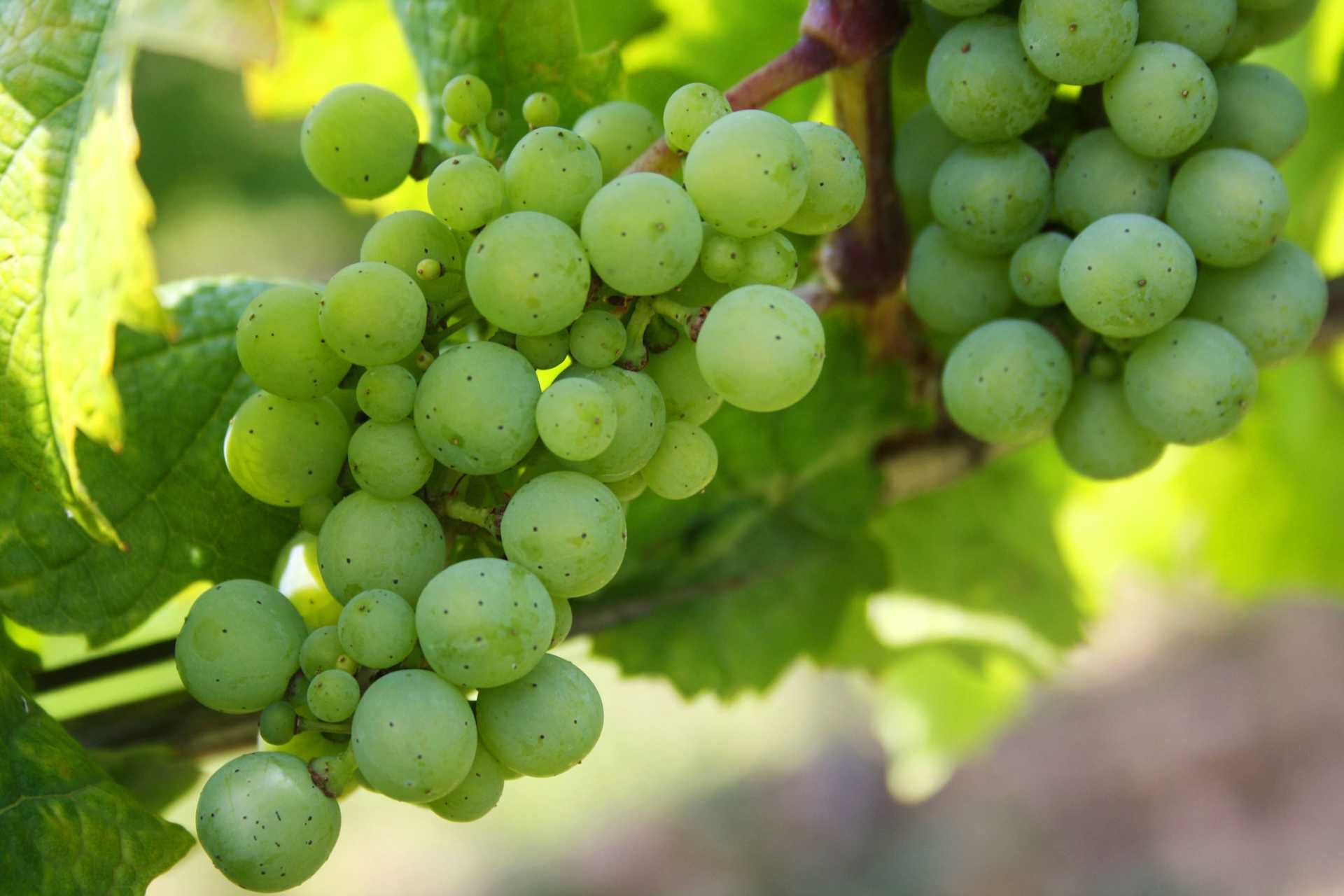
With hundreds of white grape varieties to choose from, winemakers have the freedom to create a virtually endless assortment of blended white wines. In many European regions, strict laws are in place determining the set of varieties that may be used in white wine blends, but in the New World, experimentation is permitted and encouraged. Blending can be utilized to enhance balance or create complexity, lending different layers of flavors and aromas. For example, a variety that creates a soft and full-bodied white wine blend, like Chardonnay, would do well combined with one that is more fragrant and naturally high in acidity. Sometimes small amounts of a particular variety are added to boost color or aromatics. Blending can take place before or after fermentation, with the latter, more popular option giving more control to the winemaker over the final qualities of the wine.

Appreciated for superior wines made from indigenous varieties, Austria should be on the radar of any curious wine drinker. A rather cool and dry wine growing region, this country produces wine that is quintessentially European in style: food-friendly with racy acidity, moderate alcohol and fresh fruit flavors.
Austria’s viticultural history is rich and vast, dating back to Celtic tribes with first written record of winemaking starting with the Romans. But the 20th century brought Austria a series of winemaking obstacles, namely the plunder of both world wars, as well as its own self-imposed quality breach. In the mid 1980s, after a handful of shameless vintners were found to have added diethylene glycol (a toxic substance) to their sweet wines to imitate the unctuous qualities imparted by botrytis, Austria’s credibility as a wine-producing country was compromised. While no one was harmed, the incident forced the country to rebound and recover stronger than ever. By the 1990s, Austria was back on the playing field with exports and today is prized globally for its quality standards and dedication to purity and excellence.
Grüner Veltliner, known for its racy acidity and herbal, peppery aromatics, is Austria's most important white variety, comprising nearly a third of Austrian plantings. Riesling in Austria is high in quality but not quantity, planted on less than 5% of the country’s vineyard land. Austrian Rieslings are almost always dry and are full of bright citrus flavors and good acidity. Red varietal wines include the tart and peppery Zweigelt, spicy and dense Blaufränkisch and juicy Saint Laurent. These red varieties are also sometimes blended.