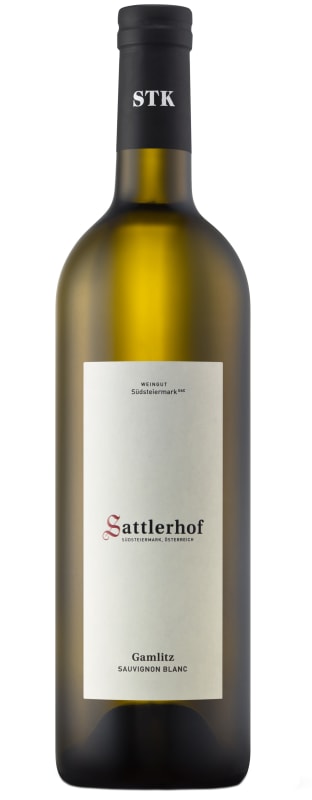


Winemaker Notes
Sauvignon Blanc pairs well with salad greens and other sharp ingredients like tomatoes and vinaigrettes. Sauteed white fish, oysters, smoked salmon, and foods flavored with fresh herbs all work well with Sauvignon Blanc. Styrian Sauvignon Blanc pairs well with charcuterie and other simple fare found in the region's Buschenschank or wine taverns.
Professional Ratings
-
Robert Parker's Wine Advocate
The 2017 Gamlitz Sauvignon Blanc is deep and subtle on the flinty nose, with ripe, tropical fruit aromas (mango, papaya and green pepper) intertwined with attractive smoked speck and crushed stone notes. Concentrated and compact on the palate, this is a pretty intense yet straight and well-structured Sauvignon with a still-youthful, racy-piquant and salty finish.
-
Wine Enthusiast
This wine's green pear scent has an earthy tang. The palate has gentle grass- and lemon-scented freshness. It's light in body and unobtrusive, with a dry, subtly aromatic finish.


Capable of a vast array of styles, Sauvignon Blanc is a crisp, refreshing variety that equally reflects both terroir and varietal character. Though it can vary depending on where it is grown, a couple of commonalities always exist—namely, zesty acidity and intense aromatics. This variety is of French provenance. Somm Secret—Along with Cabernet Franc, Sauvignon Blanc is a proud parent of Cabernet Sauvignon. That green bell pepper aroma that all three varieties share is no coincidence—it comes from a high concentration of pyrazines (herbaceous aromatic compounds) inherent to each member of the family.

Appreciated for superior wines made from indigenous varieties, Austria should be on the radar of any curious wine drinker. A rather cool and dry wine growing region, this country produces wine that is quintessentially European in style: food-friendly with racy acidity, moderate alcohol and fresh fruit flavors.
Austria’s viticultural history is rich and vast, dating back to Celtic tribes with first written record of winemaking starting with the Romans. But the 20th century brought Austria a series of winemaking obstacles, namely the plunder of both world wars, as well as its own self-imposed quality breach. In the mid 1980s, after a handful of shameless vintners were found to have added diethylene glycol (a toxic substance) to their sweet wines to imitate the unctuous qualities imparted by botrytis, Austria’s credibility as a wine-producing country was compromised. While no one was harmed, the incident forced the country to rebound and recover stronger than ever. By the 1990s, Austria was back on the playing field with exports and today is prized globally for its quality standards and dedication to purity and excellence.
Grüner Veltliner, known for its racy acidity and herbal, peppery aromatics, is Austria's most important white variety, comprising nearly a third of Austrian plantings. Riesling in Austria is high in quality but not quantity, planted on less than 5% of the country’s vineyard land. Austrian Rieslings are almost always dry and are full of bright citrus flavors and good acidity. Red varietal wines include the tart and peppery Zweigelt, spicy and dense Blaufränkisch and juicy Saint Laurent. These red varieties are also sometimes blended.