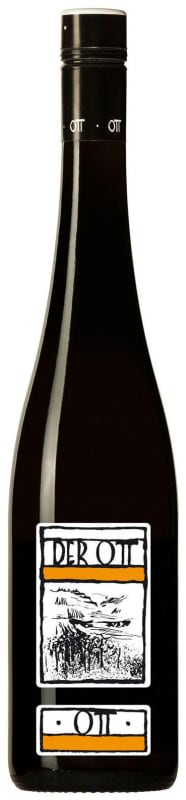


Winemaker Notes
Grüner Veltliner mainly from the Premier Cru sites of Spiegel, Stein, and Rosenberg.
Professional Ratings
-
Wine Spectator
Enticing and delicious, with a ripe core of plum and nectarine punctuated by notes of green herbs and verbena, plus a salty, leesy accent. Shows good concentration and length, with tangy acidity keeping everything balanced across the silky, almost oily-textured palate. Sun tea and smoke details play out across the finish. Drink now through 2028.
-
Robert Parker's Wine Advocate
Ott's 2021 Grüner Veltliner Der Ott opens clear, pure and flinty on the nose, with a bouquet that is pretty exciting for a wine of this price. The nose reveals almost chalky notes intermingled with white and yellow seed and stone fruits. Surprisingly creamy and smooth on the palate due to the sur lie aging, this is a mouth-filling yet elegant and rather lean but textured white with a savory, lemon-bitter and tonic finish.


Fun to say and delightfully easy to drink, Grüner Veltliner calls Austria its homeland. While some easily quaffable Grüners come in a one-liter—a convenient size—many high caliber single vineyard bottlings can benefit from cellar aging. Somm Secret—About 75% of the world’s Grüner Veltliner comes from Austria but the variety is gaining ground in other countries, namely Hungary, the Czech Republic, Slovakia and the United States.

Appreciated for superior wines made from indigenous varieties, Austria should be on the radar of any curious wine drinker. A rather cool and dry wine growing region, this country produces wine that is quintessentially European in style: food-friendly with racy acidity, moderate alcohol and fresh fruit flavors.
Austria’s viticultural history is rich and vast, dating back to Celtic tribes with first written record of winemaking starting with the Romans. But the 20th century brought Austria a series of winemaking obstacles, namely the plunder of both world wars, as well as its own self-imposed quality breach. In the mid 1980s, after a handful of shameless vintners were found to have added diethylene glycol (a toxic substance) to their sweet wines to imitate the unctuous qualities imparted by botrytis, Austria’s credibility as a wine-producing country was compromised. While no one was harmed, the incident forced the country to rebound and recover stronger than ever. By the 1990s, Austria was back on the playing field with exports and today is prized globally for its quality standards and dedication to purity and excellence.
Grüner Veltliner, known for its racy acidity and herbal, peppery aromatics, is Austria's most important white variety, comprising nearly a third of Austrian plantings. Riesling in Austria is high in quality but not quantity, planted on less than 5% of the country’s vineyard land. Austrian Rieslings are almost always dry and are full of bright citrus flavors and good acidity. Red varietal wines include the tart and peppery Zweigelt, spicy and dense Blaufränkisch and juicy Saint Laurent. These red varieties are also sometimes blended.