
Winemaker Notes
Professional Ratings
-
Robert Parker's Wine Advocate
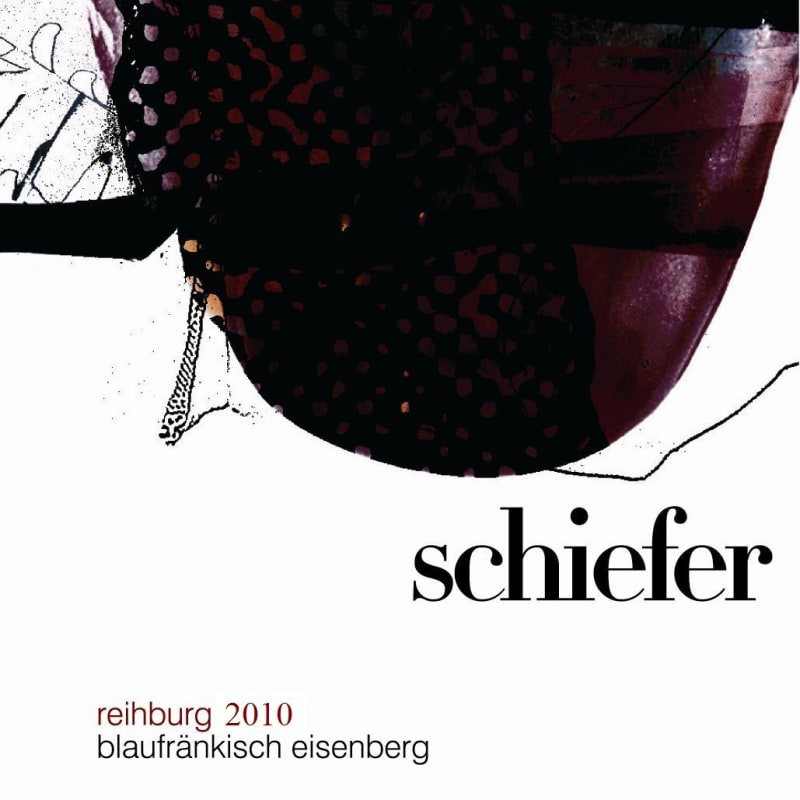
From old vines in the Eisenberg Schiefer's mysterious Reihburg, the 2010 Blaufränkisch Reihburg is deep, pure and coolish on the concentrated, spicy, multilayered, elegant and slowly maturing bouquet that reveals ripe cherry, dark berry juice (elderberries, blackberries), nougat, dark chocolate, black tea and leafy as well as refreshing and crystalline notes of crushed slate initially intermingled with lemon zest and black olives aromas. On the palate, this dark ruby-garnet colored, almost 11-year-old Blaufränkisch is full-bodied, wide and relatively smooth as well as intense, fresh and concentrated. The finish is very long and stimulatingly salty but always pure, vertical, finessed and minerally fresh. This is one of the most exciting Austrian Blaufränkisch not only of the 2010 vintage but of modern times. Tasted in April 2021.


Inky magenta with aromas of violets, herbs and spices, Blaufrankisch first appeared in Austria in the 18th century and today is the second most planted red variety in Austria after its own offspring, Zweigelt. Blaufrankisch thrives in the warmer Austrian zones and while most of the global acreage remains here, the variety has travelled a bit outside of its homeland. Somm Secret—In pre-Medieval times grapes were divided into superior quality, those whose origins lay with the Franks, called “Frankisch,” and all others, which were deemed inferior. This well-revered grape took the name, blau (meaning blue or dark) plus, “Frankisch,” or Blaufrankisch.

The source of Austria’s finest botrytized sweet wines, Burgenland covers a lofty portion of Austria's wine producing real estate. It encompasses the smaller regions of Neusiedlersee, Neusiedlersee-Hügelland, Mittelburgenland and Südburgenland. The latter two are most associated with their exceptional red wines. The region as a whole produces no shortage of important whites.
Neusiedlersee, named for the lake that it surrounds to the east, is home to a great diversity of grape varieties. The region’s most notable wines, however, are the botrytis-infected, sweet versions.
Neusiedlersee-Hügelland, which wraps the lake on its western side, includes the town of Rust, a historically esteemed wine community. Its close proximity to the lake’s fog and mist make it another source of some of the more prestigious botrytized wines. Neusiedlersee-Hügelland also produces fine Blaufränkisch, Pinot Blanc, Neuburger and Grüner Veltliner, though a label will usually name the more general, Burgenland, so as not to confuse it with its eastern cousin, Neusiedlersee, across the lake.
Blaufränkisch is well suited to and makes up over half of the vineyard area in Mittelburgenland. The region’s hills and plateaus, which are composed of variations in schist, loess and clay-limestone, produce high quality reds with interesting diversity.
Südburgenland, also known for its deep, complex and age-worthy Blaufränkisch, is beginning to turn out some alluring whites from Grüner Veltliner, Welschriesling and Weissburgunder (Pinot Blanc).