

Winemaker Notes
Professional Ratings
-
Robert Parker's Wine Advocate
The 2008 Jubilo is a blend of 50% Cabernet Sauvignon and 50% Malbec aged for 12 months in 70% new French oak. A glass-coating opaque purple color, it gives up an alluring nose of pain grille, pencil lead, spice box, incense, black currant, and black cherry. This is followed by an already complex, velvety-textured, plush wine with layered fruit, excellent volume, impeccable balance, and a lengthy finish. Drink it from 2013 to 2023.
-
Wine Spectator
A very dense, dark, overtly toasty style, with bittersweet cocoa and espresso notes leading the way for dark plum, currant preserves and roasted fig notes. The finish is dense and long, and this needs a little time to unwind. For fans of the style. Equal parts Cabernet Sauvignon and Malbec. Best from 2012 through 2015. 200 cases imported.
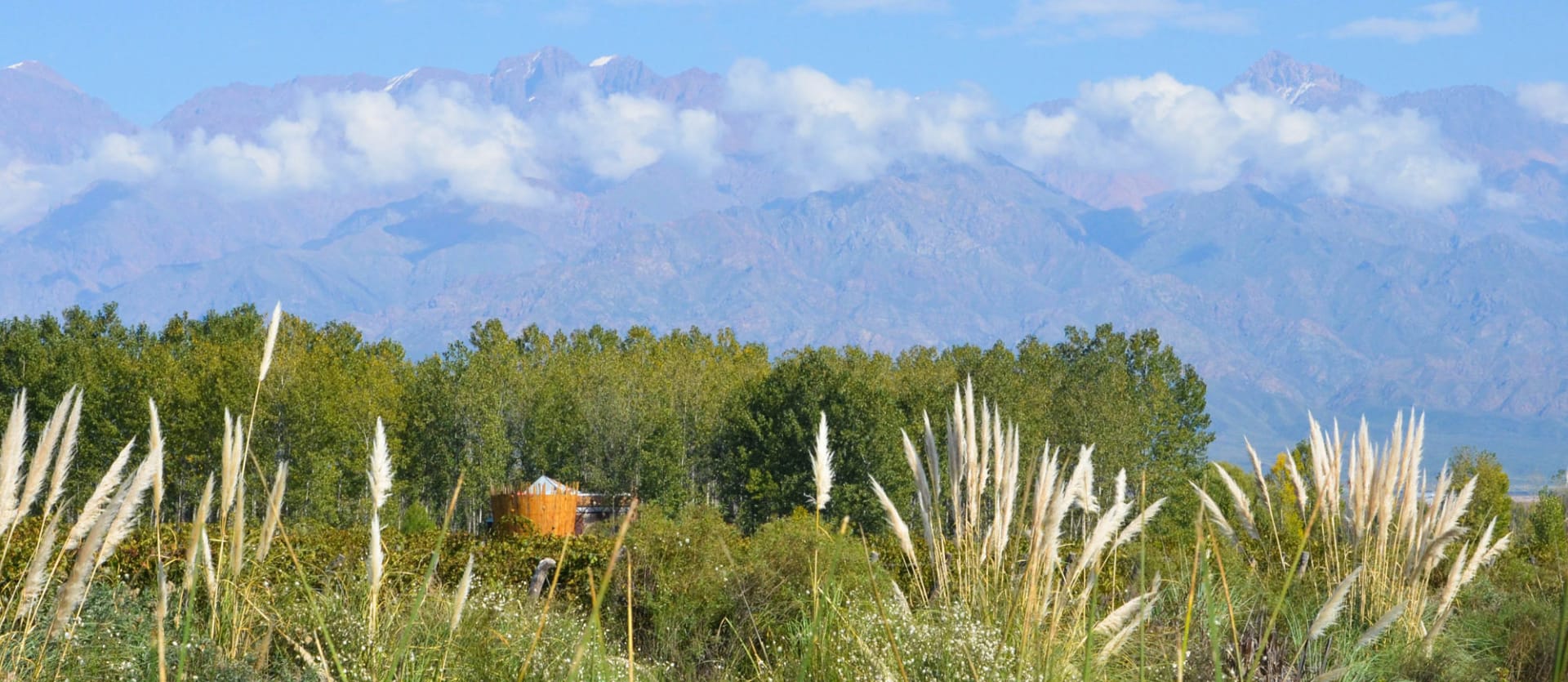



There are few wine brands that reflect the sensibilities of their owner more than Tikal. A skilled horseman, fashion designer, software developer, and book editor, Ernesto pursues all that gives pleasure in life. This hedonism (in the best sense of the word) shows through in the wines. It is a style meant to provide enormous pleasure rather than provoke contemplation; an expression of emotion rather than intellect. He has named his wines with passion in mind: Patriota (Patriot), Corazon (Heart), Amorio (Love Affair), Jubilo (Rejoice).
Luis Reginato is the winemaker at Tikal as of the 2002 vintage. Luis is young, but is already a highly trained and respected vineyard consultant and winemaker with long experience at his family's winery in Mendoza. Truly an up and coming talent, Luis and his wines are already garnering high praise from U.S. wine critics. Definitely a winemaker to watch.

One of the world’s most classic and popular styles of red wine, Bordeaux-inspired blends have spread from their homeland in France to nearly every corner of the New World. Typically based on either Cabernet Sauvignon or Merlot and supported by Cabernet Franc, Malbec and Petit Verdot, the best of these are densely hued, fragrant, full of fruit and boast a structure that begs for cellar time. Somm Secret—Blends from Bordeaux are generally earthier compared to those from the New World, which tend to be fruit-dominant.

With vineyards tretching along the eastern side of the Andes Mountains from Patagonia in the south to Salta in the north, Argentina is one of the world’s largest and most dynamic wine producing countries—and most important in South America.
Since the late 20th century vineyard investments, improved winery technology and a commitment to innovation have all contributed to the country’s burgeoning image as a producer of great wines at all price points. The climate here is diverse but generally continental and agreeable, with hot, dry summers and cold snowy winters—a positive, as snow melt from the Andes Mountains is used heavily to irrigate vineyards. Grapes very rarely have any difficulty achieving full ripeness.
Argentina’s famous Mendoza region, responsible for more than 70% of Argentina’s wine production, is further divided into several sub-regions, with Luján de Cuyo and the Uco Valley most noteworthy. Red wines dominate here, especially Malbec, the country’s star variety, while Chardonnay is the most successful white.
The province of San Juan is best known for blends of Bonarda and Syrah. Torrontés is a specialty of the La Rioja and Salta regions, the latter of which is also responsible for excellent Malbecs grown at very high elevation.