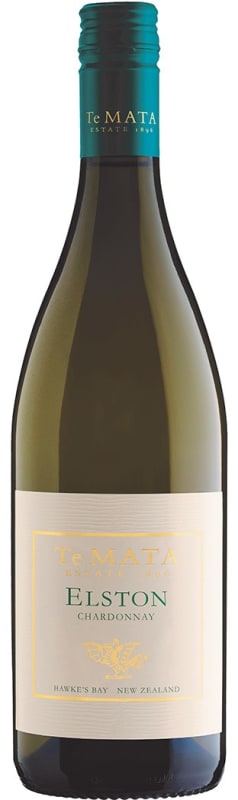


Winemaker Notes
Brilliant white gold in the glass, Elston Chardonnay 2021 has wonderfully intense aromas of golden peach, apricot, and lemon zest. Focused but flowing – this is a wine of precision, power, and poise. On the mouth-watering palate there’s oodles of ripe, white-fleshed fruit, nougat and nutmeg, integrated fine oak tannin, and just a flick of salinity. A long line of sweet citrus acidity and ripe Hawke’s Bay chardonnay fruit run through here.
Professional Ratings
-
James Suckling
Expressive nose of white grapefruit, white pears, sea shells, nutmeg, cloves and dried lemons. It's medium- to full-bodied with a creamy and layered texture. Vibrant. Lovely sweet fruit and integrated subtle spice notes. Drink or hold.
-
Robert Parker's Wine Advocate
The 2021 Elston Chardonnay is from Hawkes Bay and the four subregions within: Havelock Hills, Gimblett Gravels, Dartmoor and Bridge Pa Triangle. During our tasting, winemaker Phil Brodie said, "The energy and tension needed to come from ripe acidity. So, always 100% malo, but we moved to a Burgundy clone; Mike Bright at Keumeu has quite a bit, Clone 548, Mendoza (and a bit of 95). Handpicked, whole-bunch pressed, ambient settled overnight and straight to French oak, 30% new. The wine spent 11 months in barrel; malolactic fermentation goes through naturally, and this 2021 vintage is 85% malolactic fermentation." The acidity here is juicy and very bright; the orchard fruit in the mouth is silky and plush; and the Malo component contributes a real sweet marzipan, almond skin, crushed nut, vanilla character. Very pretty. Elegant. There is detail, spice and verve here.




One of the most popular and versatile white wine grapes, Chardonnay offers a wide range of flavors and styles depending on where it is grown and how it is made. While it tends to flourish in most environments, Chardonnay from its Burgundian homeland produces some of the most remarkable and longest lived examples. California produces both oaky, buttery styles and leaner, European-inspired wines. Somm Secret—The Burgundian subregion of Chablis, while typically using older oak barrels, produces a bright style similar to the unoaked style. Anyone who doesn't like oaky Chardonnay would likely enjoy Chablis.

An eclectic region on the east coast of the North Island, Hawkes Bay extends from wide, fertile, coastal plains, inland, to the coast range, whose peaks reach as high as 5,300 feet. While the flatter areas were historically more popular because they are easier to cultivate, their alluvial soils can be too fertile for vines. In the late 20th century, the drive for quality led growers to the hills where soils are free-draining, limestone-rich and more suited to producing high quality wines.
Over the passing of time, the old Ngaruroro River laid down deep, gravelly beds, which were subsequently exposed after a huge flood in the 1860’s. In the 1980s growers identified this stretch, which continues for approximately 800 ha, and named it the Gimblett Gravels. The zone has proven to be ideal for the production of excellent red wines, particularly Cabernet Sauvignon, Merlot and Syrah.
Today the area takes well-earned recognition for its Bordeaux blends and other reds. Expressive of intense stewed red and black berry with gentle herbaceous characters, Gimblett Gravels wines are suggestive of their cool climate origin, and on par with other top-notch Bordeaux blends around the globe.
Chardonnay is the top white grape in Hawkes Bay, making elegant wines, strong in stone fruit character. Sauvignon blanc comes in close behind, notable for its tropical, fruit forward qualities.