


Winemaker Notes
A great match with smoked salmon, spicy Asian food, grilled poultry, or hard cheeses.
Blend: 60% Malbec, 40% Pinot Noir
Professional Ratings
-
James Suckling
A rosé with peaches and melons on the nose and palate. It has a creamy texture and a long, crunchy finish with just a hint of grapefruit and other citrusy bitterness. Crisp and very inviting.
-
Vinous
The 2023 Rosé Signature is a blend of 60% Malbec and 40% Pinot Noir from the Uco Valley. The nose displays roses, delicate cherries and herbal aromas. A tropical hint reflects the warm vintage. Dry and refreshing, this Rosé has a smooth palate and a pleasant mouthfeel, culminating in an enticing floral finish. This is a serious Rosé with a Provençal touch.
-
Wilfred Wong of Wine.com
The 2023 Susana Balbo Signature Rosé is pure and persistent. As with all of Balbo's wine, it is not overworked. This wine showcases aromas and flavors of savory spices, garden herbs, and chalk aromas. Try it with Thai Basil Chicken over Jasmine Rice. (Tasted: February 11, 2025, San Francisco, CA)
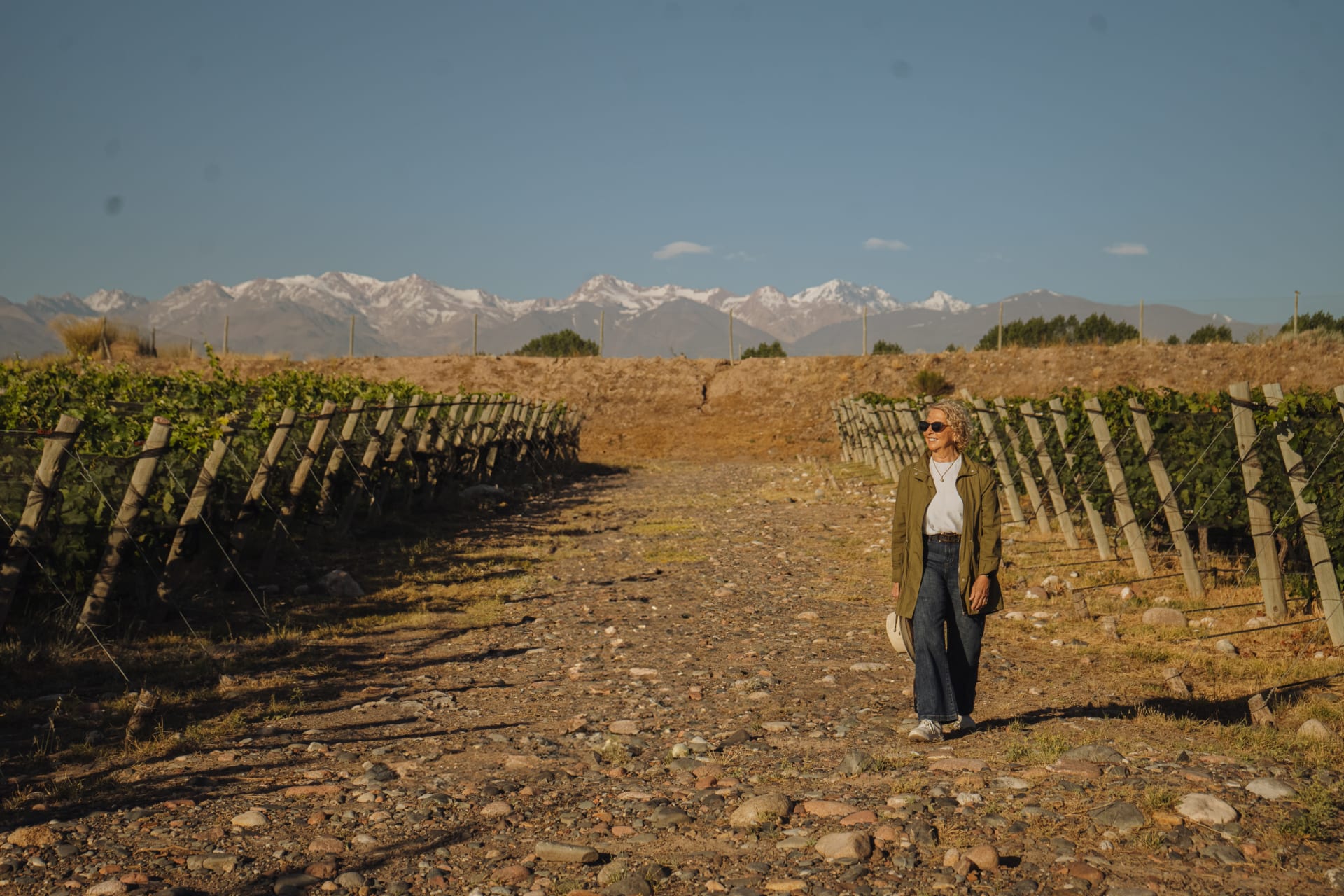


Susana Balbo graduated from Don Bosco University in Mendoza in 1981 and established herself as Argentina’s first female enologist and, since then, has been considered one of Argentina’s top winemakers. Three times her industry peers elected her to the Presidency of Wines of Argentina because of her work ethic, innovative winemaking techniques and dedication to the worldwide success of Argentine wine.
After working for twenty years as a consulting winemaker, Susana founded her own brand in 2000. In 2001, she broke ground for her winery in Agrelo in the Luján de Cuyo district of Mendoza. There, she makes her Susana Balbo "Signature" line of wines, as well as wines under the Crios, Nosotros and BenMarco labels. Her winemaking approach for the wines that bear her name is to seamlessly apply her human touch and enhance the grape’s innate character.
Over several decades of winemaking in Argentina, Susana has earned a reputation for a pioneering spirit and innovation. She is known for experimenting with various barrel sizes and aging regimens, fermentation of wine in egg-shaped concrete fermenters, and wild yeast fermentations. The Wine Advocate's Luis Gutierrez dubbed her groundbreaking barrel-fermented Torrontés one of the "10 Argentine Wines to Drink before You Die."
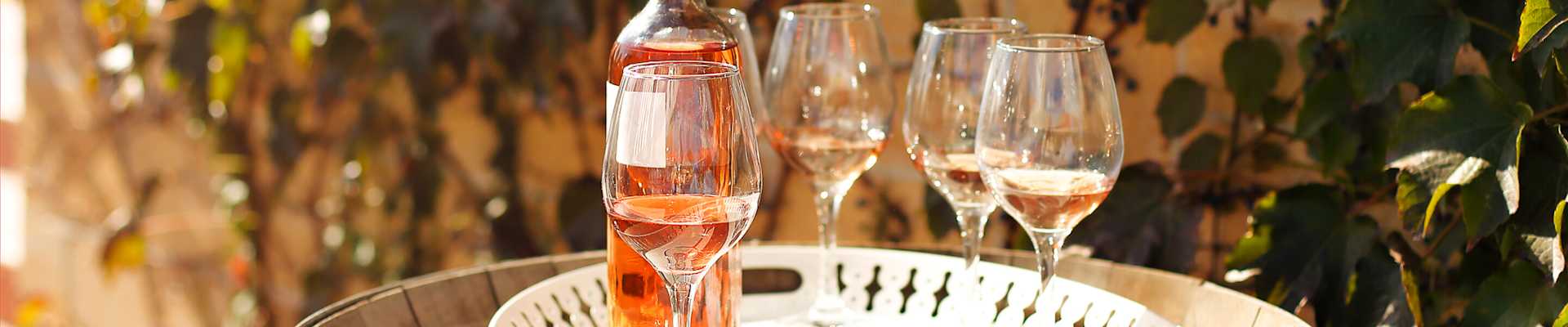
Whether it’s playful and fun or savory and serious, most rosé today is not your grandmother’s White Zinfandel, though that category remains strong. Pink wine has recently become quite trendy, and this time around it’s commonly quite dry. Since the pigment in red wines comes from keeping fermenting juice in contact with the grape skins for an extended period, it follows that a pink wine can be made using just a brief period of skin contact—usually just a couple of days. The resulting color depends on grape variety and winemaking style, ranging from pale salmon to deep magenta.

With a winning combination of cool weather, high elevation and well-draining alluvial soils, it is no surprise that Mendoza’s Uco Valley is one of the most exciting up-and-coming wine regions in Argentina. Healthy, easy-to-manage vines produce low yields of high-quality fruit, which in turn create flavorful, full-bodied wines with generous acidity.
This is the source of some of the best Malbec in Mendoza, which can range from value-priced to ultra-premium. Cabernet Sauvignon, Cabernet Franc and Chardonnay also perform well here.