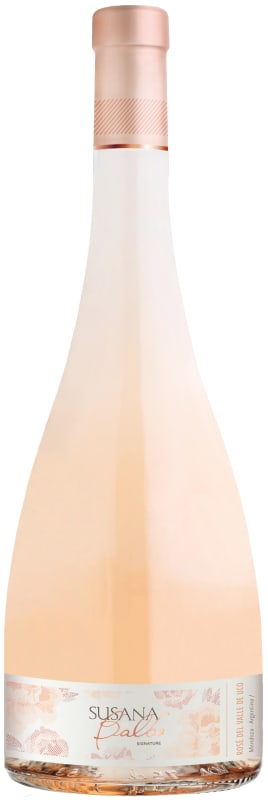


Winemaker Notes
This wine pairs beautifully with smoked salmon, Asian spicy food, grilled poultry, and hard cheeses.
Blend: 60% Malbec, 40% Pinot Noir
Professional Ratings
-
James Suckling
This is a bright, vivid rosé with clear flavors of sliced pears, strawberries and peaches. Lovely acidity. Steely.
-
Robert Parker's Wine Advocate
The ultra pale and pungent 2019 Susana Balbo Signature Rosé was still a bit dizzy from the recent bottling and felt a bit reductive, but the palate revealed the pure and subtle flavors of rose petals, moderate alcohol and very good acidity. One of the finest rosé wines from Argentina. This year they used some 3%-4% Sauvignon Blanc that was pressed together with the part of Pinot Noir. It's more herbal and earthy, serious.
-
Decanter
Lifted and stylish nose of strawberries and raspberries with floral scents. Fresh and zesty almost sherbety with lemony fruit.


Whether it’s playful and fun or savory and serious, most rosé today is not your grandmother’s White Zinfandel, though that category remains strong. Pink wine has recently become quite trendy, and this time around it’s commonly quite dry. Since the pigment in red wines comes from keeping fermenting juice in contact with the grape skins for an extended period, it follows that a pink wine can be made using just a brief period of skin contact—usually just a couple of days. The resulting color depends on grape variety and winemaking style, ranging from pale salmon to deep magenta.

With a winning combination of cool weather, high elevation and well-draining alluvial soils, it is no surprise that Mendoza’s Uco Valley is one of the most exciting up-and-coming wine regions in Argentina. Healthy, easy-to-manage vines produce low yields of high-quality fruit, which in turn create flavorful, full-bodied wines with generous acidity.
This is the source of some of the best Malbec in Mendoza, which can range from value-priced to ultra-premium. Cabernet Sauvignon, Cabernet Franc and Chardonnay also perform well here.