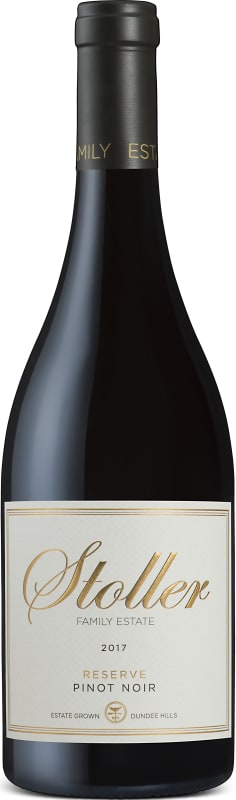


Winemaker Notes
The 2017 Reserve Pinot Noir is classic Oregon with bright acidity, lighter tannin structure, and fresh fruit characteristics. This Pinot Noir opens with aromatics of ripe raspberry, red rose, and earth. The palate presents elegant tannins, carrying flavors of bing cherry and pomegranate, with hints of bramble. This wine can be enjoyed now; however, it was constructed for longevity with proper cellaring.
Professional Ratings
-
James Suckling
Dried-flower aromas abound with ripe plums and black cherries, all leading to a palate that has a slew of fleshy, mellow dark cherries and plums, ahead of a spicy, slick finish.
-
Wine Spectator
Polished and sleekly complex, with vibrant raspberry and violet aromas, drawing in multilayered cherry and black tea accents that race toward snappy tannins. Drink now through 2028.
-
Robert Parker's Wine Advocate
The 2017 Reserve Pinot Noir is shy on the nose, offering earthy nuances over a core of red and black berries with citrus peel and floral sparks emerging with some air. It's medium-bodied, concentrated and silky, with a long, fresh finish. Give it another year or two in bottle.
-
Wine Enthusiast
Production of this reserve has ramped up significantly, and it seems a bit lighter than the previous vintage. Raspberry fruit with lemony acidity carries the lightest suggestion of barrel toast. It's a firm, tightly wound, lightly herbal expression, which may benefit from a bit more bottle age.
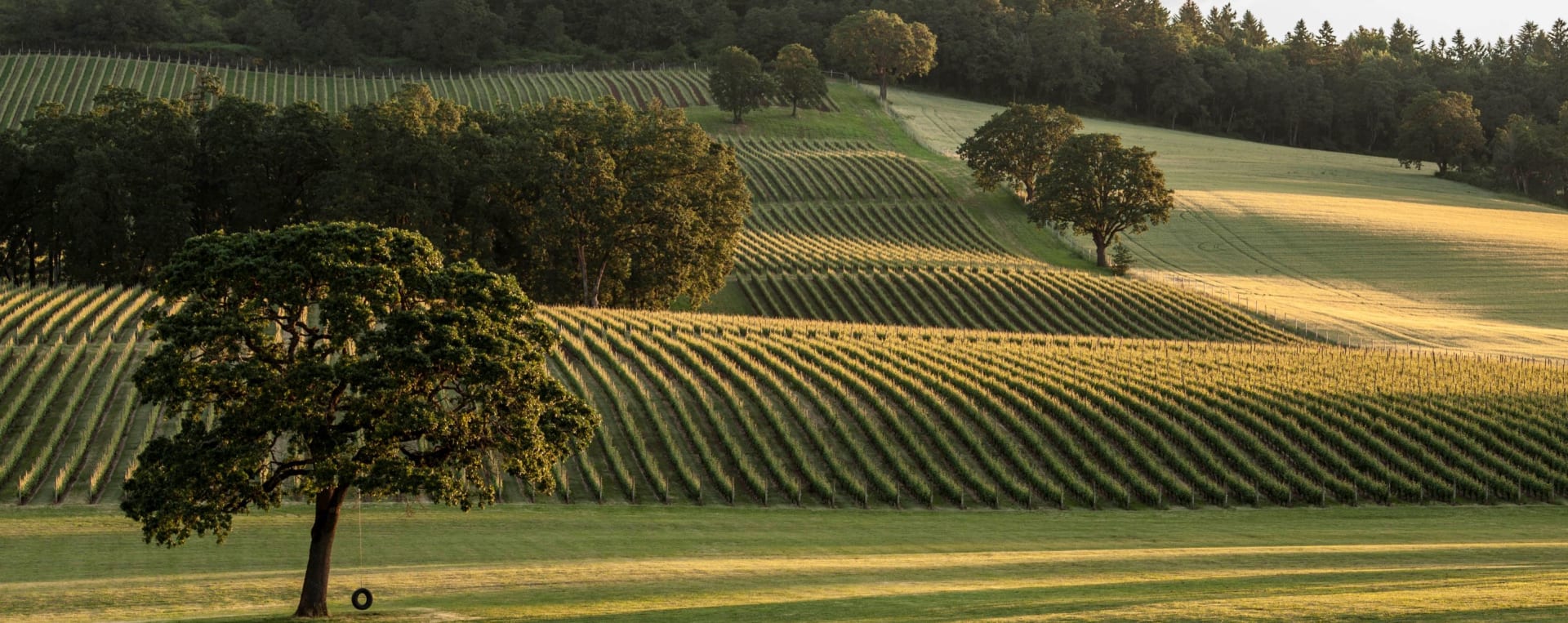


Stoller Family Estate is one of Oregon's most highly regarded vineyards and wineries. Pioneering Oregonian and Founder Bill Stoller purchased his family's second-generation farm in 1993 with the vision of cultivating an enduring legacy for the land and Oregon wine industry. Over the last 30 years, he has patiently transformed the 400-acre property into the largest contiguous vineyard in the Dundee Hills. We continue to look for new ways to refine and protect that legacy so it can thrive for generations to come.
Stoller Family Estate features the world's first LEED® Gold certified winery, a reflection of our ongoing commitment to sustainable and environmentally responsible winemaking.

Thin-skinned, finicky and temperamental, Pinot Noir is also one of the most rewarding grapes to grow and remains a labor of love for some of the greatest vignerons in Burgundy. Fairly adaptable but highly reflective of the environment in which it is grown, Pinot Noir prefers a cool climate and requires low yields to achieve high quality. Outside of France, outstanding examples come from in Oregon, California and throughout specific locations in wine-producing world. Somm Secret—André Tchelistcheff, California’s most influential post-Prohibition winemaker decidedly stayed away from the grape, claiming “God made Cabernet. The Devil made Pinot Noir.”

Home of the first Pinot noir vineyard of the Willamette Valley, planted by David Lett of Eyrie Vineyard in 1966, today the Dundee Hills AVA remains the most densely planted AVA in the valley (and state). To its north sits the Chehalem Valley and to its south, runs the Willamette River. Within the region’s 12,500 acres, about 1,700 are planted to vine on predominantly basalt-based, volcanic, Jory soil.